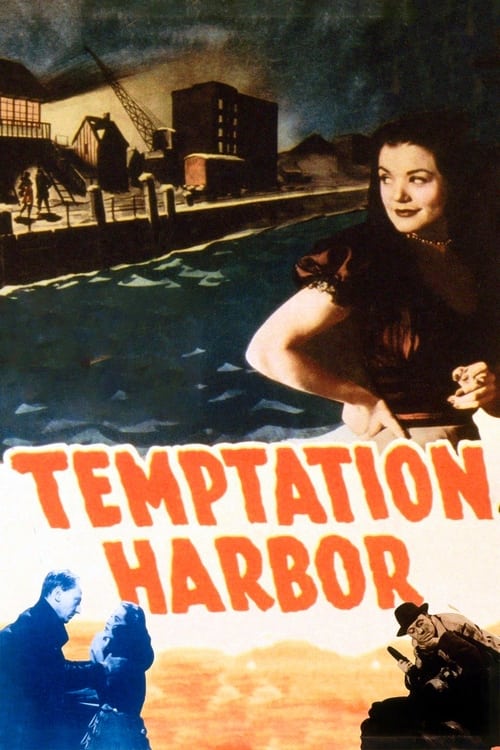
Temptation Harbour
1947
No user ratings available yet
Representation score: 2.3 out of 10
Representation Score
Limited
1952
NRDirector
Harold French
Runtime
82 minutes
Average Rating
No ratings yetNew Showbiz Analysis
This mid-century crime drama centers on interpersonal conflict rather than broader social issues. The narrative tension stems from a moral struggle involving corporate misconduct and shifting power dynamics between an employer and an employee. While the story presents a reversal of roles between a corrupt owner and an accountant, it adheres to the storytelling conventions of its era. The film lacks depth in representing diverse identities, ethnicities, or non-traditional social structures.
Category Breakdown
The film does not include any characters with LGBTQ+ identities or non-straight relationships. It follows the typical assumptions of the time.
The story revolves around a power struggle between a company owner and an accountant. While it touches on professional roles, it does not challenge the usual male leadership stereotypes.
The film features a cast that seems homogeneous, typical of 1950s European productions. There is no indication of a diverse or multicultural cast.
The story serves as a moral cautionary tale focusing on personal ethics and the rule of law. It highlights individual corruption without critiquing broader societal institutions.
There is no information available regarding the depiction of physical or neurodivergent characters in this film.
Present on Screen
Limited or Absent
Official Synopsis
A Dutch company's owner bankrupts his own company, burns the incriminating ledgers and plans to run to Paris with the company funds but he is caught in the act by his accountant who challenges his actions, leading to a reversal of roles.
1947

1939
1951

1958
1932

1950
1948

1956
No reviews yet. Be the first to share your thoughts on this movie!
Use the rating form above to leave a star rating and optional review.