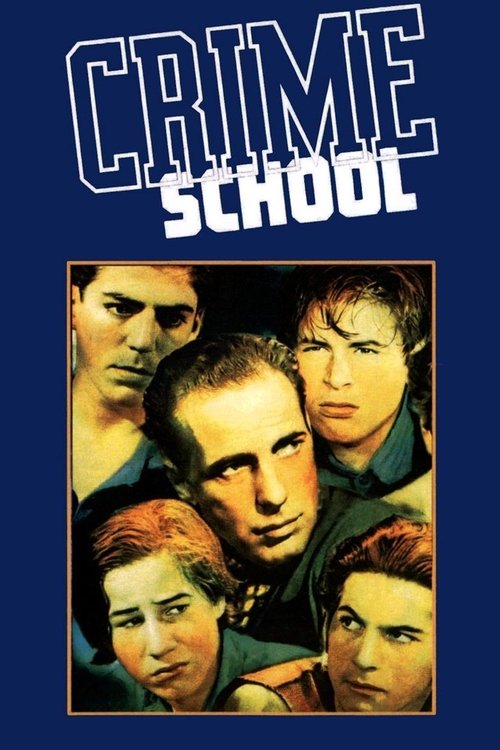
Crime School
1938
No user ratings available yet
Representation score: 1.1 out of 10
Representation Score
Minimal
1939
ApprovedDirector
Jacques Tourneur
Runtime
70 minutes
Average Rating
No ratings yetNew Showbiz Analysis
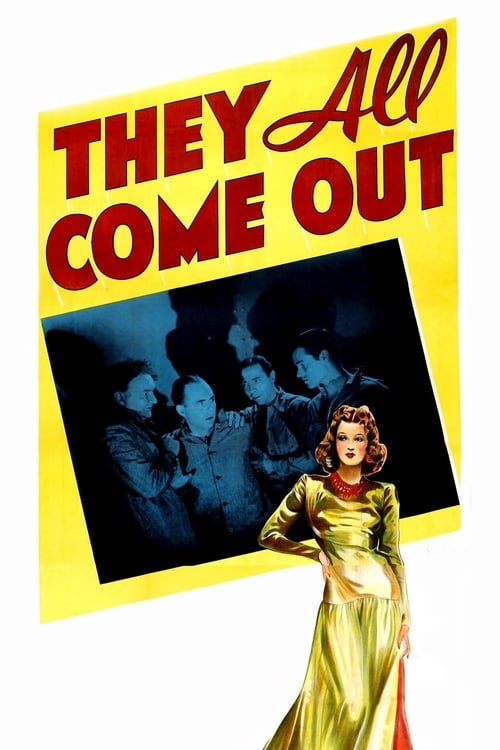
They All Come Out functions as a conventional crime drama from the mid-20th century. It adheres to the social and narrative structures typical of 1939, focusing on a male protagonist's journey with criminality and reform. The film lacks meaningful diversity across most categories. It relies on standard genre clichés that prioritize male control and traditional moral frameworks, offering little disruption to the era's demographic norms.
Category Breakdown
The film does not include any characters with non-straight sexual orientations or same-sex relationships. It focuses on traditional themes of criminal reform.
The story centers around male characters and their roles in a crime narrative. Women likely play supporting or domestic roles within this framework.
There is no indication of significant non-white or non-European presence. The casting aligns with the homogeneous demographics typical of the period.
The film explores conventional morality and social reintegration within traditional frameworks. It does not challenge Western institutions.
No characters with physical or cognitive disabilities are included. The narrative does not address disability representation.
Present on Screen
Limited or Absent
Official Synopsis
A down on his luck young man stumbles into a gang of robbers who all get landed in prison. Will he be reformed, or is he ensnared into a life of crime?
1938

1959
1939
1931
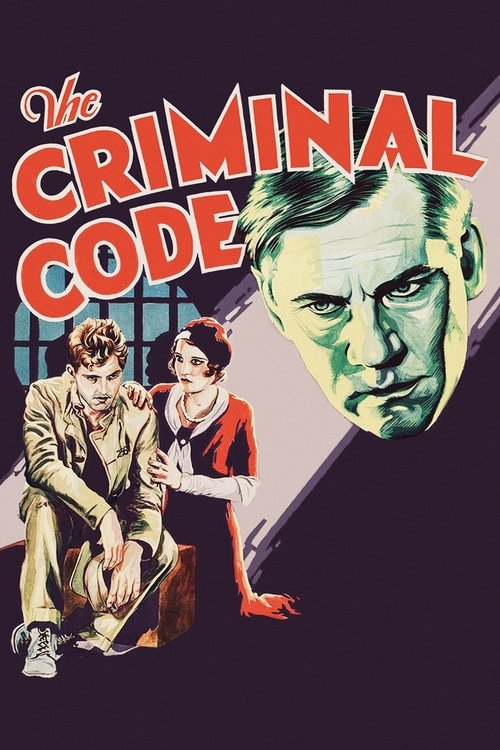
1931

1941

1931
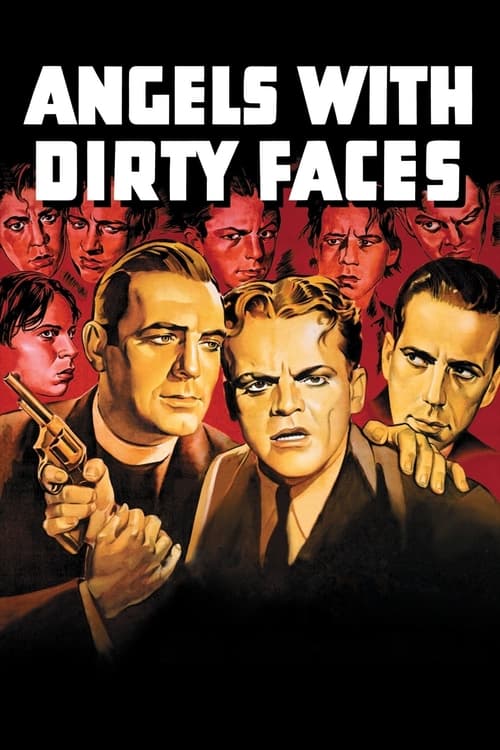
1938
No reviews yet. Be the first to share your thoughts on this movie!
Use the rating form above to leave a star rating and optional review.