
No. 5: Circular Tensions (Homage to Oskar Fischinger)
1949
No user ratings available yet
Representation score: 7.5 out of 10
Representation Score
Good
1956
Director
Harry Smith
Runtime
4 minutes
Average Rating
No ratings yetNew Showbiz Analysis
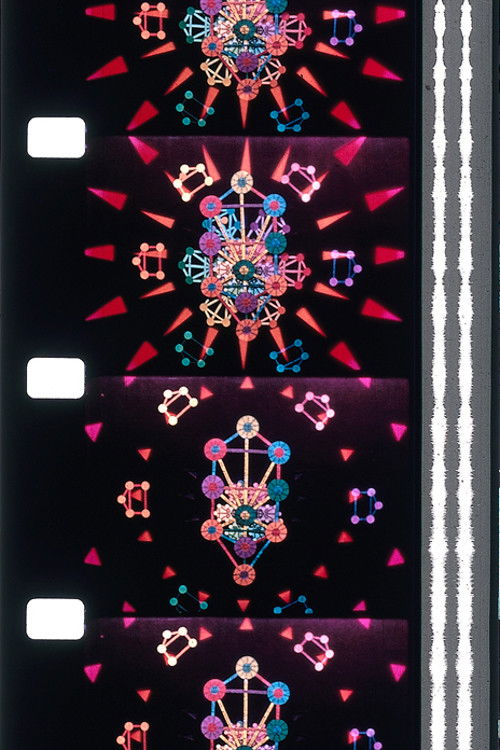
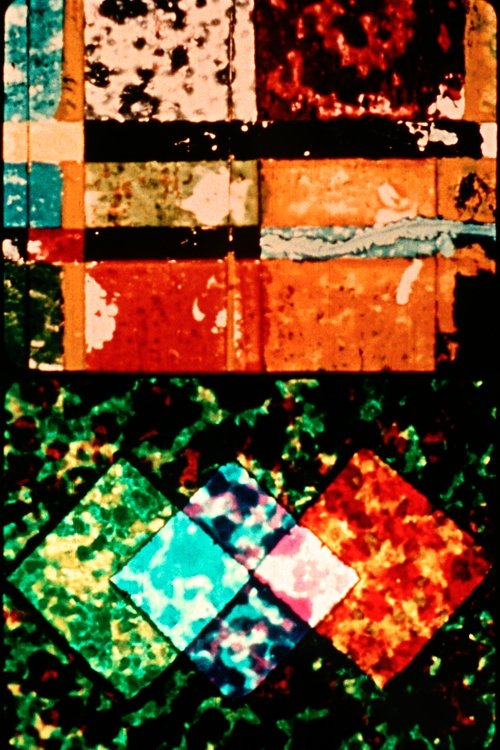
Harry Smith’s experimental short explores esoteric philosophies through abstract visuals and symbolic juxtaposition. It moves away from linear storytelling toward a surreal, cosmic inquiry. By focusing on non-Western spiritual frameworks, the film challenges the religious norms of the 1950s. However, its abstract nature limits its ability to explicitly represent underrepresented identities.
Category Breakdown
The film doesn't show LGBTQ+ identities directly due to its abstract style. However, it avoids traditional romantic clichés and gender roles, challenging typical storytelling.
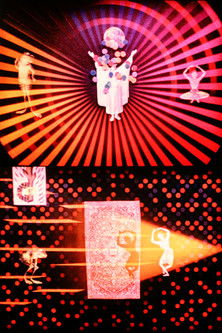
The film uses traditional gender roles like the Hero and Heroine but removes their traditional roles. Instead, these figures support a philosophical collage rather than typical gendered social functions.
The film doesn’t clearly represent specific racial or ethnic identities. Its abstract style focuses on spiritual iconography rather than human portraits.
The film highlights non-Western spiritualities such as Buddhism and Kabbalah, challenging the religious norms of the 1950s. It uses esoteric abstraction to explore these themes.
The film does not include characters with physical or neurodivergent disabilities. Its focus on consciousness suggests an interest in the mind rather than the experiences of those with disabilities.
Present on Screen
Limited or Absent
Official Synopsis
Study for Film No. 11: Mirror Animations (1957). Harry Smith described the film as, “An exposition of Buddhism and the Kaballah in the form of a collage. The final scene shows Agaric mushrooms growing on the moon while the Hero and Heroine row by on a cerebrum”.
1949

1951
1956

1971
1939
1947
1965
1947
No reviews yet. Be the first to share your thoughts on this movie!
Use the rating form above to leave a star rating and optional review.