
… ere erera baleibu izik subua aruaren…
1970
No user ratings available yet
Representation score: 4.3 out of 10
Representation Score
Excellent
1971
Director
Lis Rhodes
Runtime
5 minutes
Average Rating
No ratings yetNew Showbiz Analysis
Dresden Dynamo is a radical piece of formalist media that replaces character-driven storytelling with an abstract assault on the senses. Because it eschews figuration, it cannot provide traditional diverse representation through casting or dialogue. Instead, the film's diversity lies in its systemic disruption of cinematic norms. By rejecting the visual and auditory hierarchies of 1970s mainstream cinema, Rhodes creates a neutral space that avoids common pitfalls of objectification and stereotyping. Ultimately, the work functions as a political critique of media construction. It earns its score through an intentional departure from the commercial and social structures inherent in conventional narrative film.
Category Breakdown
The film does not explicitly depict gender identity or sexual orientation. Its abstract nature avoids reinforcing assumptions that everyone is straight or cisgender.
Since there are no human characters, there are no gender roles to evaluate. However, the formalist approach removes the human subject and gendered hierarchies of visual consumption, challenging the male gaze.
The work is entirely non-figurative, so it does not directly represent race. Its abstraction avoids racial stereotypes or the imposition of Western-centric hierarchies.
The film shows progressive intent by rejecting Western commercial standards. Its political outlook and atonal soundscapes critique organized, harmonious, or ordered Western structures.
There is no specific depiction of disability. The intense sensory assault and white noise could be seen as an exploration of sensory processing without giving characters real control over their experiences.
Present on Screen
Limited or Absent
Official Synopsis
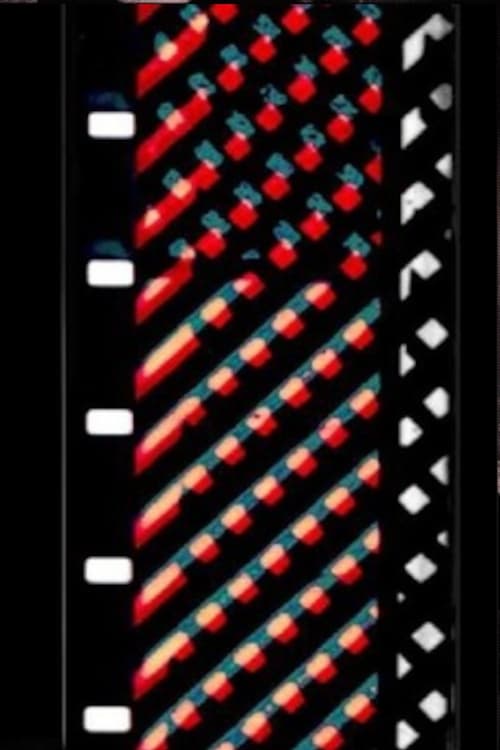
‘At the work's core is an experimental approach to the stuff of film and a fiercely political outlook. Dresden Dynamo is an abstract assault on the senses. Eschewing a camera, Rhodes affixed patterned Letratone stickers to the film itself and used filters to create red and blue colours. Stripes, dots and wavy lines surge across the screen, and their forms dictate the accompanying barrage of white noise and atonal bleeps.’ --Ben Luke London Evening Standard 26 January 2012
1970

1971

1970
1942
1960
1958
1946

1994
No reviews yet. Be the first to share your thoughts on this movie!
Use the rating form above to leave a star rating and optional review.