
A La Mode
1959
No user ratings available yet
Representation score: 3.5 out of 10
Representation Score
Good
1973
GDirector
Frank Mouris, Caroline Mouris
Runtime
9 minutes
Average Rating
No ratings yetNew Showbiz Analysis
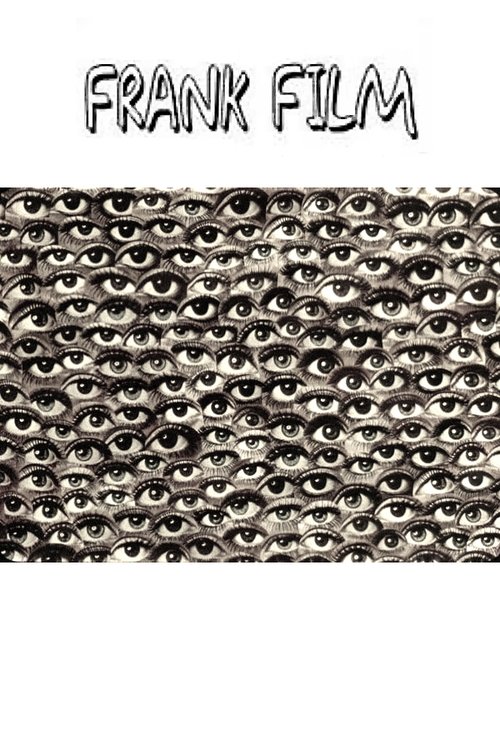
Frank Film is a pioneering work of postmodern animation that prioritizes subjective experience over traditional cinematic structures. Using a collage of magazine clippings and personal archives, it replaces conventional plot and character hierarchies with a democratic assembly of imagery. Though the film lacks explicit character-driven narratives, its structural approach challenges standardized Western narrative frameworks. It moves away from the linear progression typical of mainstream cinema. Its strength lies in formal experimentation, aligning with queer and postmodern traditions of fragmentation and non-linear identity.
Category Breakdown
The film operates as a stream-of-consciousness collage rather than a character-driven narrative. Though it doesn't explicitly show LGBTQ+ identities, its radical subjectivity challenges traditional storytelling patterns.
The film uses an abstract montage of found imagery, lacking a traditional cast. It avoids the gender stereotypes of the 1970s by focusing on rhythmic visual exploration instead of character interactions.
The collage format incorporates a wide range of magazine clippings and photographs. While it showcases diverse human imagery, it lacks strong roles for people of color.
The work stands out by emphasizing fragmented, subjective truths over singular moral or religious messages. It celebrates the individual's inner world, moving beyond traditional Western storytelling.
The film does not depict disability directly. However, the fast-paced, sensory-heavy montage can be seen as representing non-linear neurodivergent cognitive processes.
Present on Screen
Limited or Absent
Official Synopsis
A compilation of images co-creator Frank Mouris had collected from magazines interwoven with two narrations, one giving a mostly linear autobiography and the other stating words having to do with the images, the story the first voice is relating, or neither. Preserved by the Academy Film Archive.
1959
1997

1957
1994
1964
1972
1987
1968
No reviews yet. Be the first to share your thoughts on this movie!
Use the rating form above to leave a star rating and optional review.