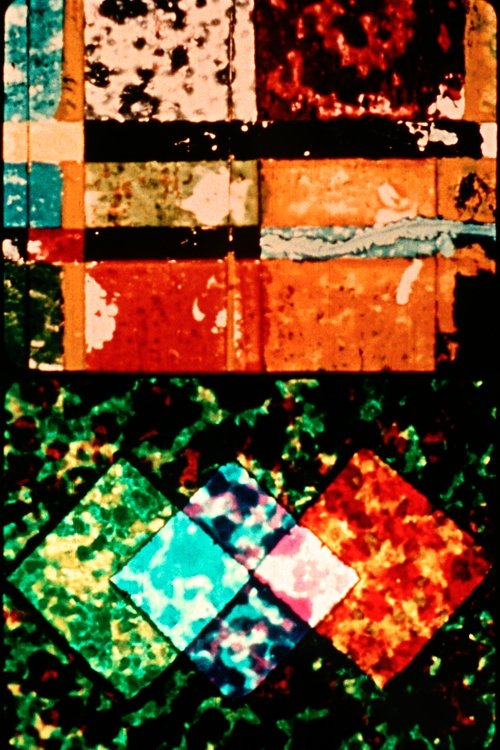
No. 3: Interwoven
1947
No user ratings available yet
Representation score: 4.2 out of 10
Representation Score
Good
1947
Director
Harry Smith
Runtime
2 minutes
Average Rating
No ratings yetNew Showbiz Analysis
Harry Smith's work disrupts cinematic conventions through abstract sensory experiences rather than identity-driven storytelling. By focusing on hypnotic, psychedelic abstraction, the film avoids traditional demographic representation. While the film does not explicitly represent specific groups, it offers a form of cultural liberation through its connection to jazz and rejection of linear, logic-based structures. Ultimately, the work contributes to progressive media by subverting the standard viewing experience, providing a decentralized, sensory-focused alternative to mainstream narrative structures.
Category Breakdown
The film is an abstract, hand-painted animation that focuses on visual experimentation rather than character-driven romantic or gender-based narratives.
The film prioritizes color, texture, and light over human figures, avoiding traditional gender hierarchies by not depicting characters.
The work is non-figurative and psychedelic in nature, using stencils and paint instead of human subjects, so it does not engage with racial or ethnic casting.
The film challenges Western storytelling traditions by emphasizing sensory experiences and its connection to jazz, suggesting an intersection with cultural norms.
The film does not depict characters with disabilities and maintains a purely aesthetic and sensory focus.
Present on Screen
Limited or Absent
Official Synopsis
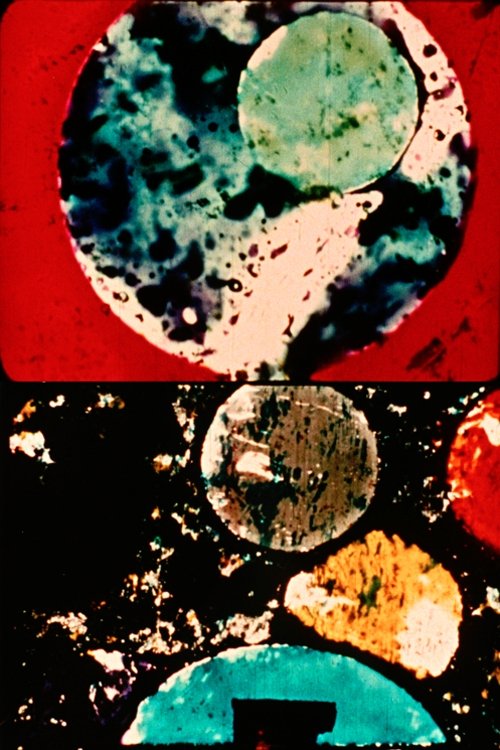
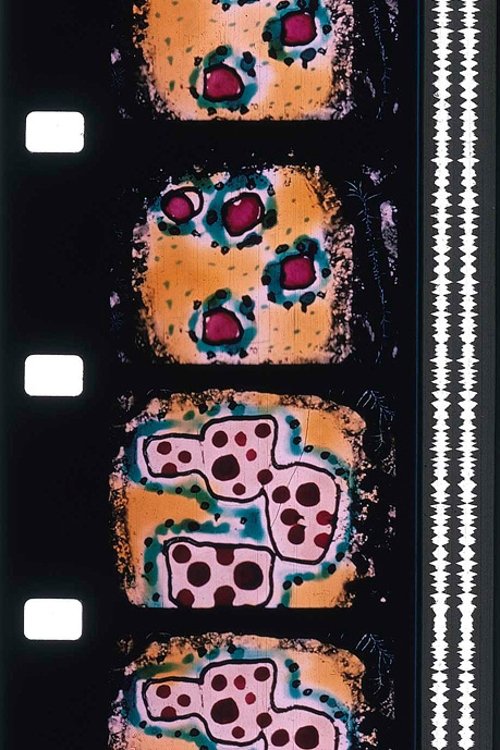
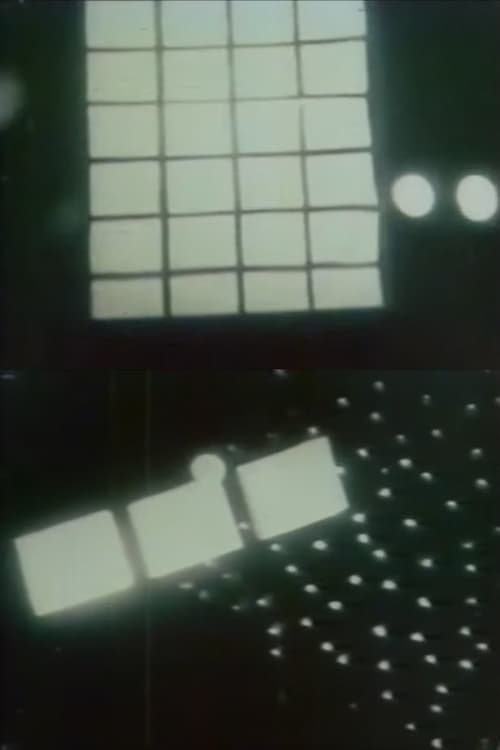
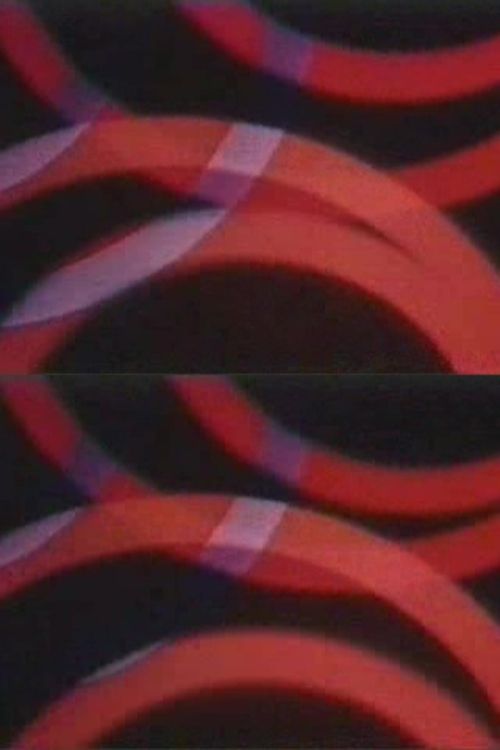
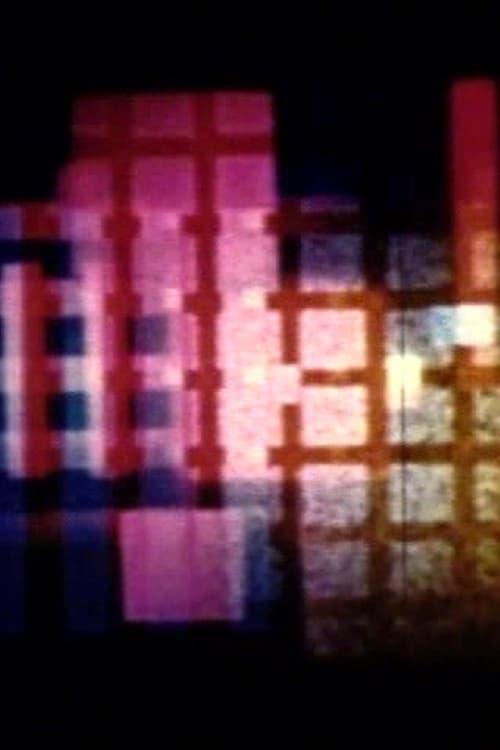
Hand-painted 35 mm stock photographed in 16 mm, color, 2:15 or 10 min. Initially intended to be screened with and synchronized to Dizzy Gillespie's Algo Bueno. This film "takes place either inside the sun or in... Switzerland" according to Smith. To produce this film he used a technique that involved cutting stickers of the type used to reinforce the holes in 3-ring binder paper. These were applied to 16 mm movie film and used like a stencil. Layers of vaseline and paint were used to color each frame in this manner. The effect is hypnotic, psychedelic and is something like a visual music.
1947
1956
1939
1947
1949
1936
1951
1970
No reviews yet. Be the first to share your thoughts on this movie!
Use the rating form above to leave a star rating and optional review.