Prelude 14
1996
No user ratings available yet
Representation score: 6.9 out of 10
Representation Score
Good
1987
Director
Stan Brakhage
Runtime
6 minutes
Average Rating
No ratings yetNew Showbiz Analysis
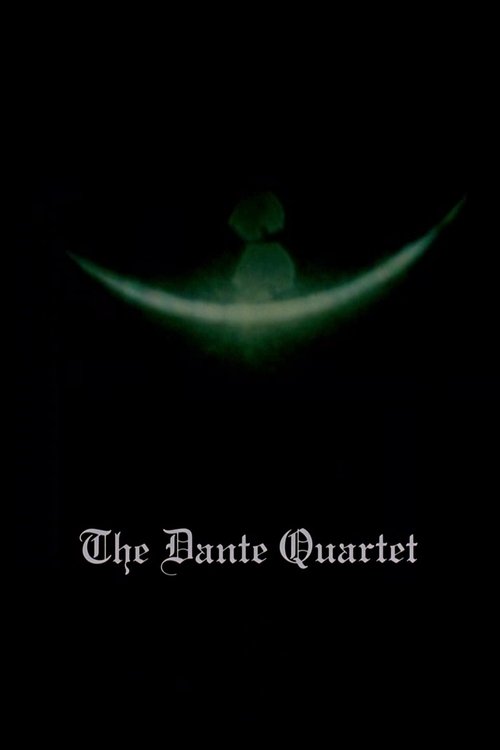
The Dante Quartet is a work of pure formalist abstraction that exists outside traditional demographic metrics. By replacing human actors with kinetic color and light, the film cannot provide multi-layered character's ability to drive the story or identity-based inclusion. Instead, the film earns merit through its radical disruption of traditional Western narrative structures. It dismantles the literal structure of a canonical text, replacing it with a fluid, non-hierarchical visual language. Ultimately, the work functions less as a study of identity and more as a study of the dissolution of the traditional subject.
Category Breakdown
The film lacks explicit LGBTQ+ identities due to its non-narrative, abstract nature. It focuses on light and texture instead of character dialogue and casting. Its rejection of traditional structures allows for subjective, non-traditional interpretations.
The film uses brush strokes and montages without human figures, avoiding traditional gender hierarchies. It lacks the kind of character-driven subversion found in media with defined roles.
The work operates in a post-racial visual space using elemental and chromatic imagery. It does not engage in racialized casting or ethnic depictions, focusing instead on volcanic activity and light.
Brakhage deconstructs a foundational Western literary text through sensory abstraction. The film prioritizes individual, subjective truth over institutionalized religious dogma. This approach offers a secular, phenomenological interpretation of Dante's journey.
There is no explicit depiction of physical or neurodivergent characters. The sensory-heavy, rhythmic structure challenges standard cognitive processing of cinema. However, disability is not addressed as a specific thematic element.
Present on Screen
Limited or Absent
Official Synopsis
A visual representation, in four parts, of one man's internalization of "The Divine Comedy." Hell is a series of multicolored brush strokes against a white background; the speed of the changing images varies. "Hell Spit Flexion," or springing out of Hell, is on smaller film stock, taking the center of the frame. Montages of color move rapidly with a star and the edge of a lighted moon briefly visible. Purgation is back to full frame; blurs of color occasionally slow down then freeze. From time to time, an image, such as a window or a face, is distinguishable for a moment. In "existence is song," colors swirl then flash in and out of view. Behind the vivid colors are momentary glimpses of volcanic activity.
1996
1981

1967
1986
1965
1993
1967
1994
No reviews yet. Be the first to share your thoughts on this movie!
Use the rating form above to leave a star rating and optional review.