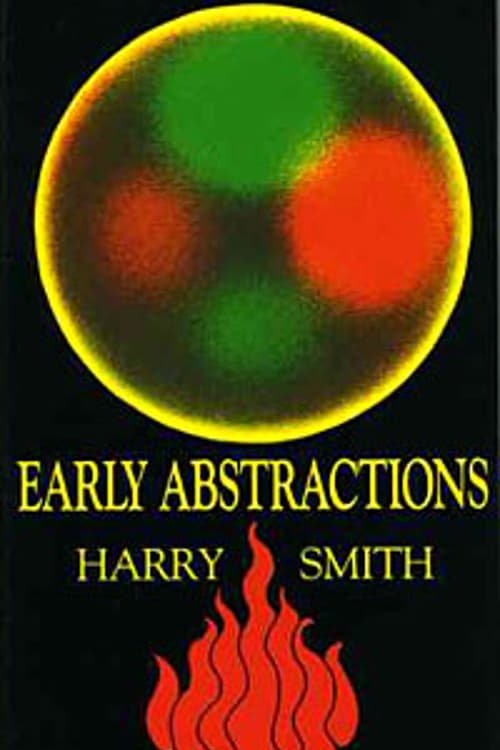
Early Abstractions
1965
No user ratings available yet
Diversity score: 0.0 out of 10
1962
Director
Harry Smith
Runtime
66 minutes
Average Rating
No ratings yetSynopsis
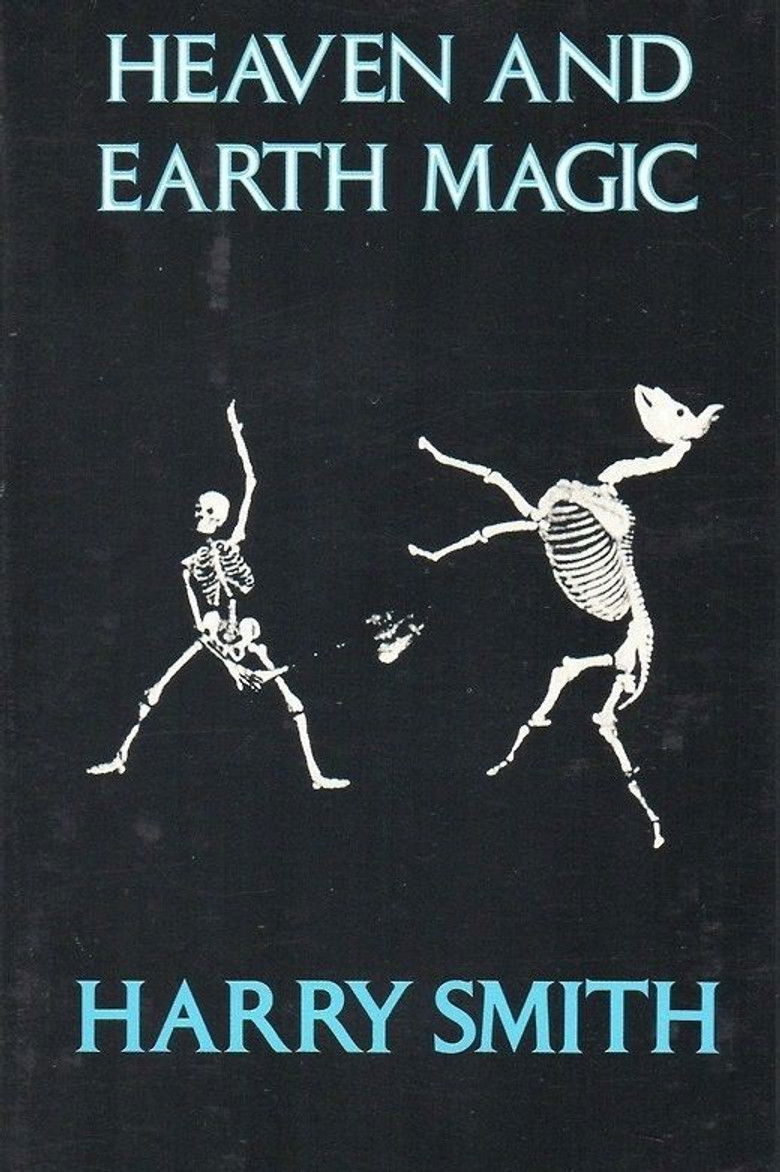
The first part depicts the heroine's toothache consequent to the loss of a very valuable watermelon, her dentistry and transportation to heaven. Next follows an elaborate exposition of the heavenly land, in terms of Israel and Montreal. The second part depicts the return to Earth from being eaten by Max Müller on the day Edward VII dedicated the Great Sewer of London.
Overall Score
Minimal
Category Breakdown
LGBTQ+ Representation
The film is an abstract montage of astronomical and botanical imagery. Because it lacks human characters or dialogue, it contains no depictions of sexual orientation or gender identity.
Gender Representation
The film avoids gendered archetypes by focusing on natural phenomena and textures. This rhythmic montage bypasses traditional gender hierarchies through the total omission of human subjects.
Racial & Ethnic Diversity
The work explores cosmic and biological interconnectedness rather than human identity. Without a human cast, the film does not engage with racial or ethnic representation.
Religious & Cultural Diversity
The film subverts Western storytelling by using an esoteric, non-linear visual language. It remains culturally neutral, offering no specific commentary on religion or institutional oppression.
Disability Representation
There are no human subjects depicted in this work. Consequently, no representations of physical or neurodivergent identities are present.
Strengths
Areas for Improvement
AI Analysis
Harry Smith’s experimental work functions through a radical departure from anthropocentric cinema. Rather than focusing on human social dynamics, the film emphasizes the microscopic and macroscopic scales of existence. This structural choice prioritizes cosmic interconnectedness over traditional character-driven narratives. Because the film relies on a rhythmic montage of natural textures and astronomical imagery, it lacks the human agency required for standard sociological metrics. It does not engage with identity, gender, or race, as these concepts are absent from its non-narrative framework. Ultimately, the film's value lies in its refusal to participate in traditional tropes. While this results in a low score for social representation, it serves as a significant postmodern disruption of conventional cinematic expectations.
1965
1956
1972
1969
1981
1968
1944
1948
1932
1961
1966
1965
No reviews yet. Be the first to share your thoughts on this movie!
Use the rating form above to leave a star rating and optional review.