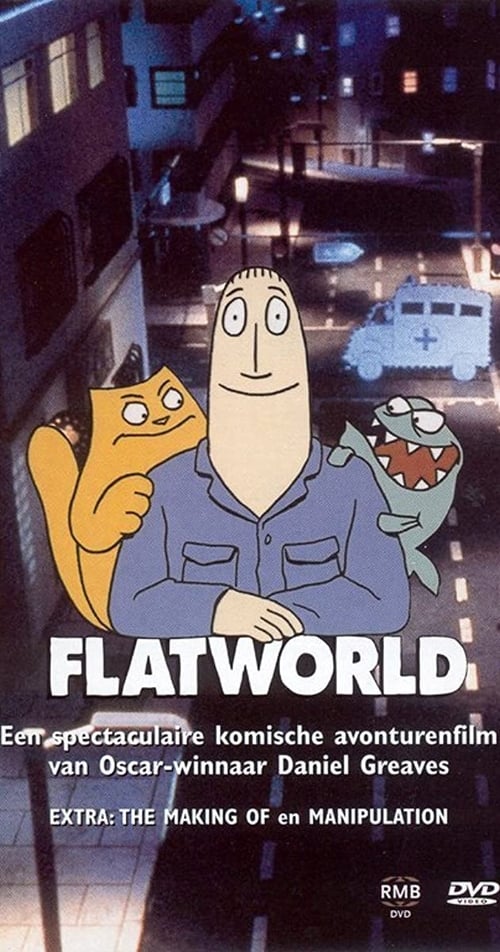
Flatworld
1997
No user ratings available yet
Diversity score: 4.9 out of 10
No Poster Available
1965
Director
Eric Martin
Runtime
11 minutes
Average Rating
No ratings yetSynopsis
A short, animated film based on Edwin Abbott's 1884 satirical novella, Flatland: A Romance of Many Dimensions.
Overall Score
Fair
Category Breakdown
LGBTQ+ Representation
The film uses geometric normativity to explore connections that challenge established social dimensions. This serves as an allegory for non-cisnormative identities, though the 1965 era likely limits explicit portrayals.
Gender Representation
The narrative critiques patriarchal structures by depicting a society where social roles are dictated by geometry. It highlights how rigid hierarchies restrict the circles and polygons alike.
Racial & Ethnic Diversity
Diversity is expressed through a hierarchy of shapes rather than human ethnicities. This geometric allegory critiques systemic stratification and social strata through non-human forms.
Religious & Cultural Diversity
The story challenges traditional institutions by framing established laws as oppressive and stagnant. The protagonist's journey mirrors anti-authoritarian sentiments by rejecting a single-perspective worldview.
Disability Representation
There is no clear evidence of neurodivergent or physical disability representation. Dimensional anomalies are sometimes used as plot devices rather than providing characters with true agency.
Strengths
Areas for Improvement
AI Analysis
This 1965 adaptation of Edwin Abbott’s satire functions primarily as a mathematical allegory. It succeeds in deconstructing rigid social hierarchies and critiquing systemic stratification through the use of geometric shapes. However, the film relies heavily on metaphor rather than direct representation. While the subversion of social orders is a core strength, the lack of explicit human markers limits its intersectional depth. Ultimately, the work is a study of perspective. It uses its unique setting to challenge the status quo and the limitations of a single-dimensional existence.
1997

1971

1967

1970

1965
1996
1958
1967
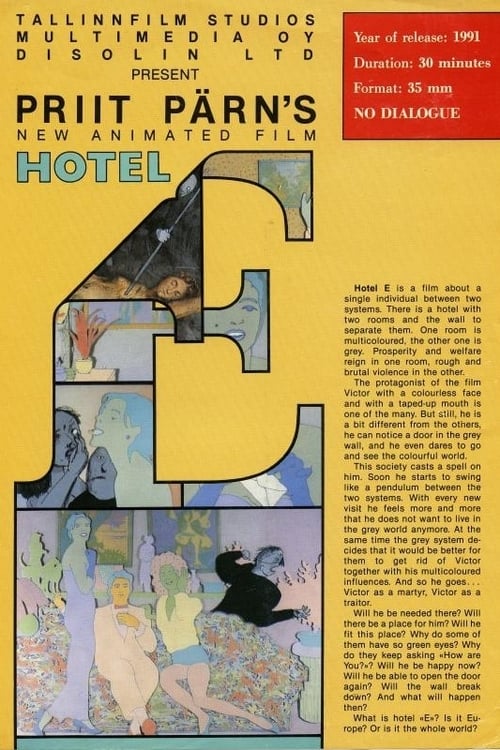
1992

1965
1979

1998
No reviews yet. Be the first to share your thoughts on this movie!
Use the rating form above to leave a star rating and optional review.