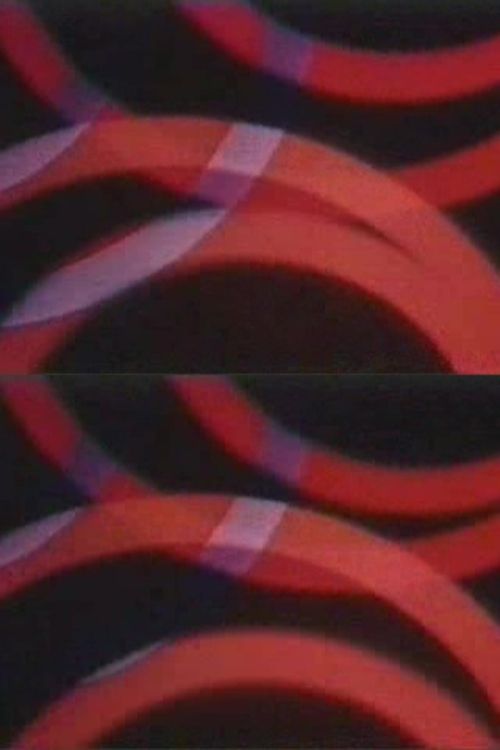
No. 5: Circular Tensions (Homage to Oskar Fischinger)
1949
No user ratings available yet
Representation score: 7.5 out of 10
Representation Score
Minimal
1965
Director
Harry Smith
Runtime
23 minutes
Average Rating
No ratings yetNew Showbiz Analysis
Harry Smith’s collection is a foundational pillar of avant-garde cinema, prioritizing sensory experience over traditional storytelling. By focusing on the interplay of light, color, and shape, the work deliberately moves away from human-centric narratives. Because the films eschew characterization and plot, they exist entirely outside the framework of identity-based representation. The collection functions as a study of pure visual rhythm rather than a reflection of social or human experience. While the work aligns with mid-century counter-cultural movements, its content remains strictly formalist. It does not attempt to mirror or critique social hierarchies through the use of characters or social dynamics.
Category Breakdown
The film consists of purely non-narrative abstract animations. Without characters or dialogue, there is no depiction of sexual orientation or gender identity.
The work relies on geometric shapes and color theory rather than human subjects. It does not engage with or reinforce traditional gender roles.
The film utilizes paint-on-film techniques to explore visual rhythm. Because it lacks human figures, it does not address race or ethnicity.
This study of formalist aesthetics focuses on sensory synchronization with music. It avoids engagement with religious, political, or socioeconomic systems.
There is no depiction of sentient beings or human bodies. Consequently, the film offers no representation of physical or neurodivergent identities.
Present on Screen
Limited or Absent
Official Synopsis
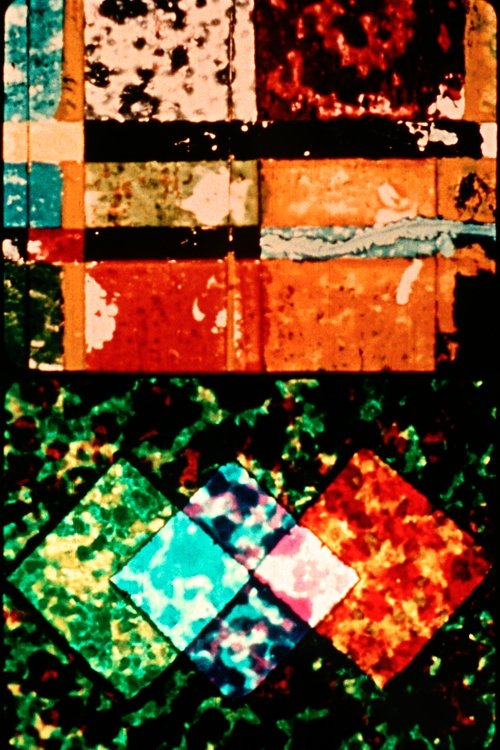
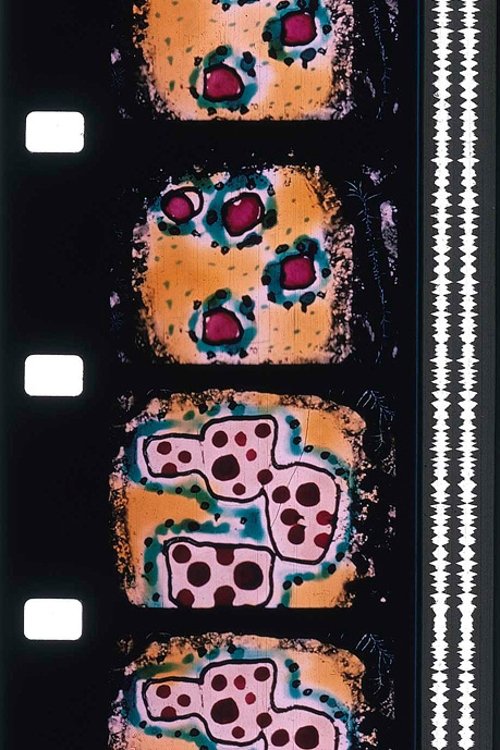
Early Abstractions is a collection of seven short animated films created by Harry Everett Smith between 1939 and 1956. Each film is between two and six minutes long, and is named according to the chronological order in which it was made. The collection includes Numbers 1–5, 7, and 10.
1949
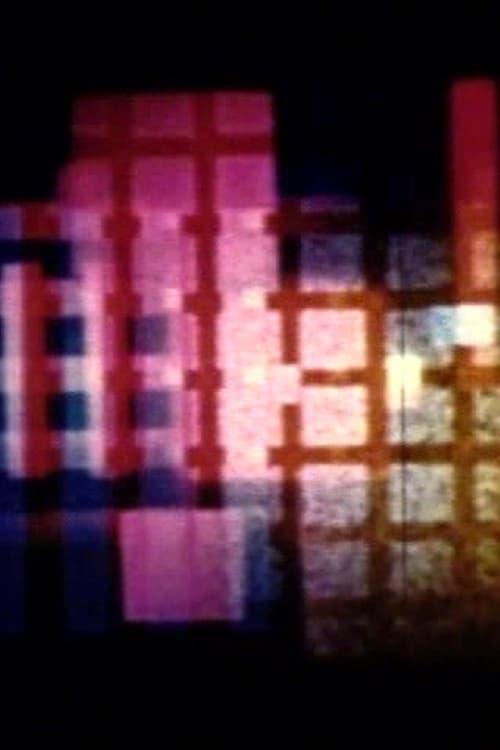
1951
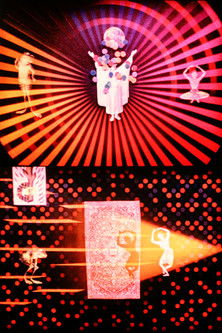
1956
1953

1959
1947
1939
1946
No reviews yet. Be the first to share your thoughts on this movie!
Use the rating form above to leave a star rating and optional review.