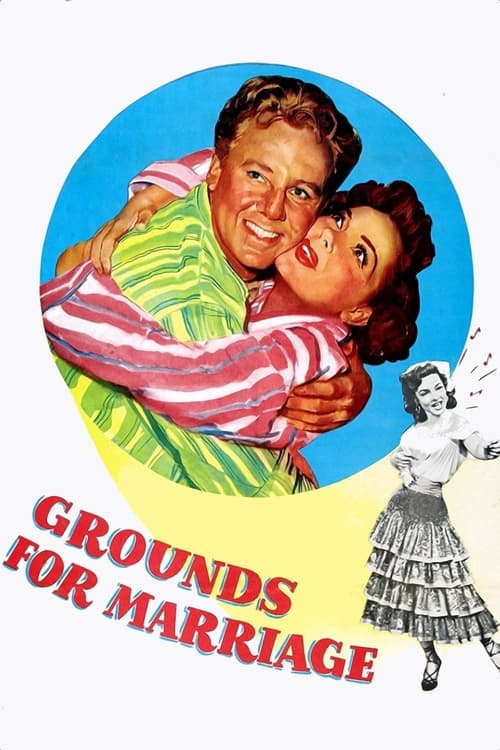
Grounds for Marriage
1951
No user ratings available yet
Representation score: 1.6 out of 10
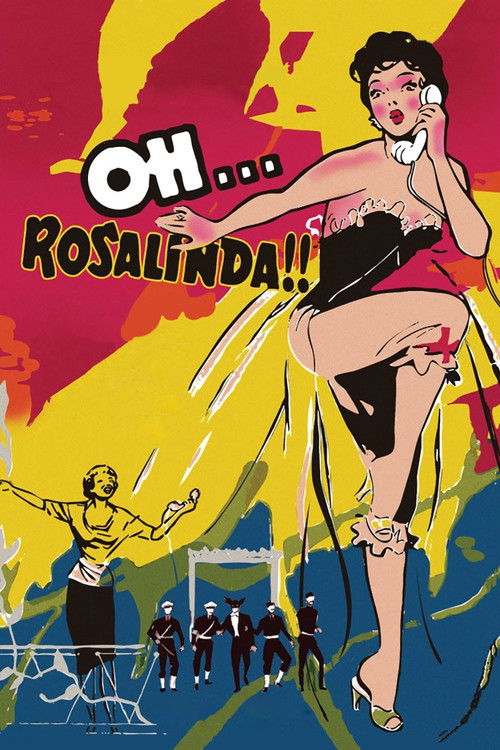
Representation Score
Limited
1955
Director
Emeric Pressburger, Michael Powell
Runtime
104 minutes
Average Rating
No ratings yetNew Showbiz Analysis
The film serves as a transitional piece of mid-century cinema. While it remains grounded in the social conventions of 1955, it finds progressive value through specific casting and character's ability to drive the story. The inclusion of Merle Oberon introduces layers of diversity that challenge the demographic homogeneity of the period. This casting choice provides a layer of depth often missing from Western period dramas of the era. While the narrative follows traditional romantic clichés, the female lead's control over her own secrets provides a more nuanced exploration of identity than typical films of the time.
Category Breakdown
The film follows the traditional romantic structures typical of the 1950s, focusing on the relationship between the journalist and the female lead.
Rosalinda disrupts traditional gender roles by actively driving the central mysteries rather than being a passive object of investigation, offering nuance beyond standard feminine archetypes.
The casting of Merle Oberon, of mixed Indian and British heritage, provides a notable instance of integrated casting. Her presence in a central role disrupts the era's tendency toward homogeneous white casting.
Set against post-Civil War Spain, the film explores a society recovering from political violence. Religious institutions serve as a cultural backdrop within a setting of moral complexity.
There are no visible or invisible disabilities portrayed with ability to act. No characters have identities defined by physical or mental health conditions.
Present on Screen
Limited or Absent
Official Synopsis
Pseudonym Dr. Falke follows his wife through disguises and deceptions in postwar Vienna.
1951
1951
1940
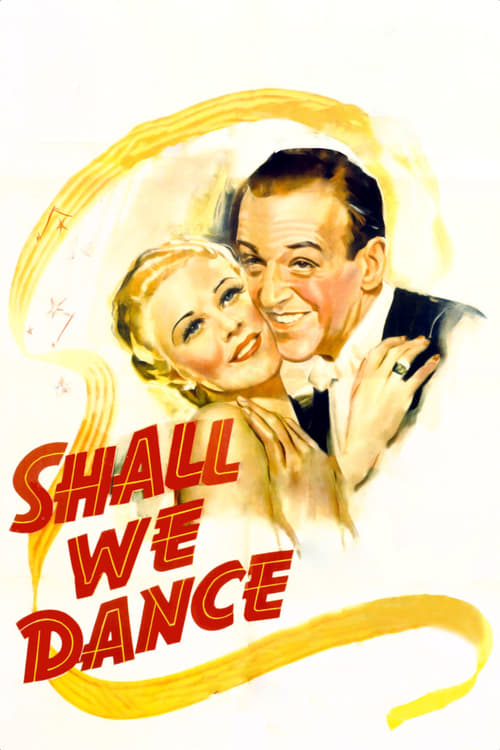
1937
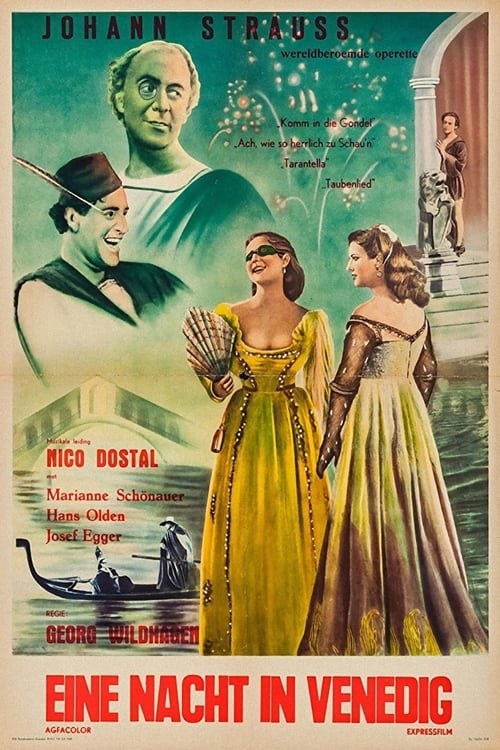
1953
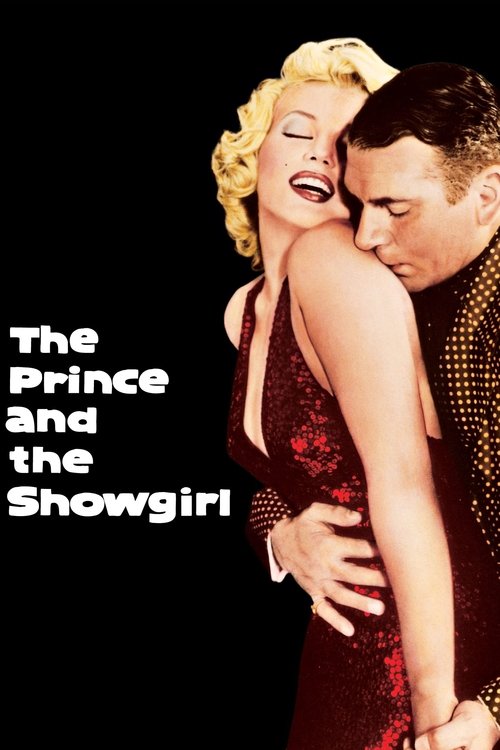
1957
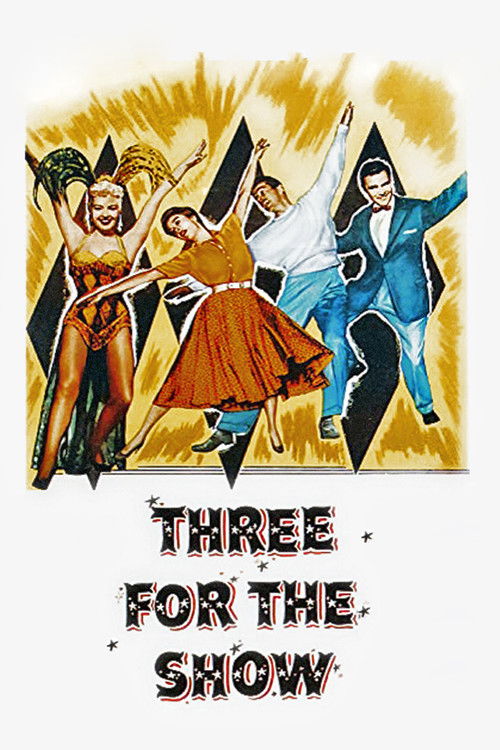
1955
1943
No reviews yet. Be the first to share your thoughts on this movie!
Use the rating form above to leave a star rating and optional review.