
Ziegfeld Follies
1945
No user ratings available yet
Representation score: 2.7 out of 10
Representation Score
Limited
1954
NRDirector
Walter Lang
Runtime
118 minutes
Average Rating
No ratings yetNew Showbiz Analysis
This musical is a classic example of the Hollywood era, emphasizing escapism and traditional social hierarchies. It celebrates mid-century Western norms and the meritocracy of the theatrical profession. While the film lacks diversity in terms of race, ethnicity, and disability, it does provide a nuanced portrayal of professional authority through its female lead. This offers a rare challenge to the submissive female stereotype within a conventional framework. Ultimately, the film does not engage with broader themes of diversity, choosing instead to reinforce established social stability.
Category Breakdown
The film assumes everyone is straight or cisgender, with no depictions of same-sex relationships or non-binary identities.
Ethel Merman’s character stands out with a strong professional presence. Despite the traditional family structure, she plays a key role in driving the story and commands respect.
The cast is mostly made up of similar backgrounds, reflecting the standards of mid-century filmmaking. The film lacks diverse characters with significant roles.
The story emphasizes Western professional values and the traditional nuclear family. It promotes the idea that the show must go on without questioning the underlying social structures.
The film focuses on idealized, able-bodied performers. There are no characters with visible or invisible disabilities.
Present on Screen
Limited or Absent
Official Synopsis
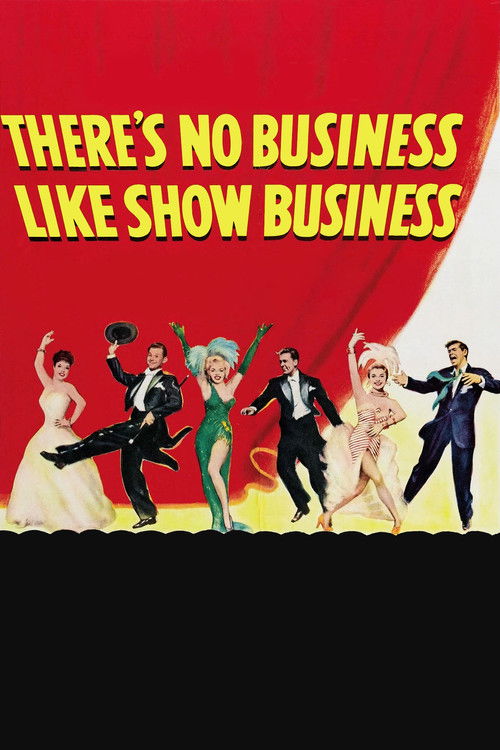
Molly and Terry Donahue, plus their three children, are The Five Donahues. Youngest son Tim meets hat-check girl Vicky and the family act begins to fall apart.
1945
1941
1945
1951
1955
1953
1946

1953
No reviews yet. Be the first to share your thoughts on this movie!
Use the rating form above to leave a star rating and optional review.