
Good News
1947
No user ratings available yet
Representation score: 0.4 out of 10

Representation Score
Limited
1944
NRDirector
Charles Vidor
Runtime
107 minutes
Average Rating
No ratings yetNew Showbiz Analysis
Cover Girl is a classic product of the 1940s MGM studio system, emphasizing polished escapism over social critique. While it showcases a woman's professional growth, it remains tied to the era's rigid social structures. The film successfully portrays a woman navigating professional success and intellectual challenges. However, this progress is balanced against a narrative that adheres to traditional romantic clichés and binary structures. Ultimately, the production reflects the demographic homogeneity and moral frameworks of its time, offering a stable, aspirational view of society rather than a diverse or disruptive one.
Category Breakdown
The film relies on traditional heterosexual relationships and does not include any LGBTQ+ identities or same-sex relationships.
Stella shows professional independence as she transitions from dancer to model. However, the story reinforces traditional gender roles through romantic clichés.
The cast is primarily made up of actors from similar backgrounds, reflecting the era's demographics. The film lacks significant minority representation in key roles.
The story celebrates mid-century professional and social achievements. It upholds conventional Western social structures and traditional moral values without challenging them.
There are no prominent depictions of visible or invisible disabilities. Characters fit the typical physical archetypes found in musical films.
Present on Screen
Limited or Absent
Official Synopsis
A nightclub dancer makes it big in modeling, leaving her dancer boyfriend behind.
1947
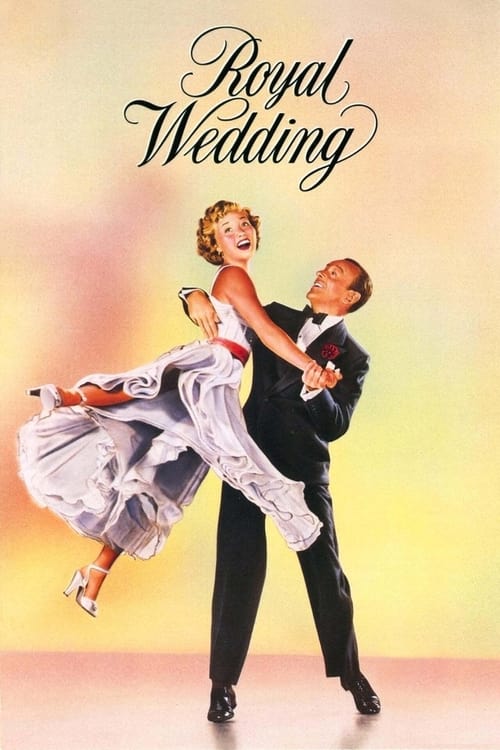
1951
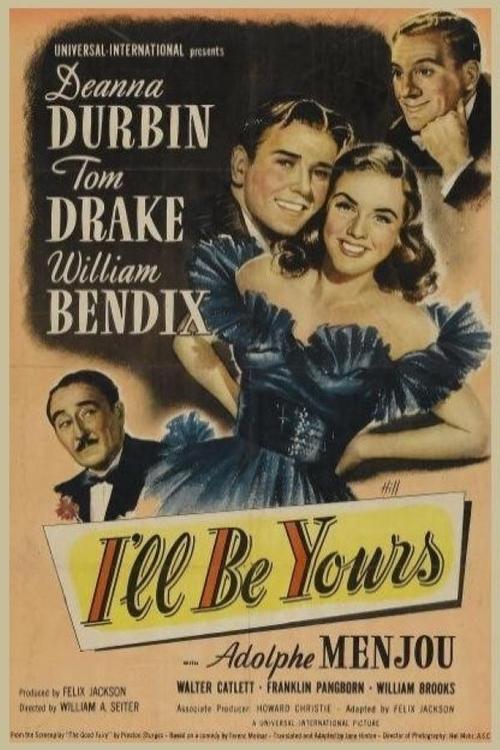
1947
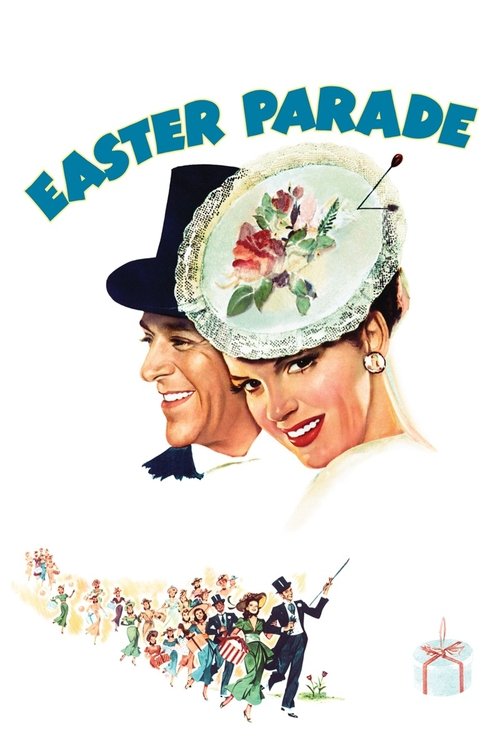
1948
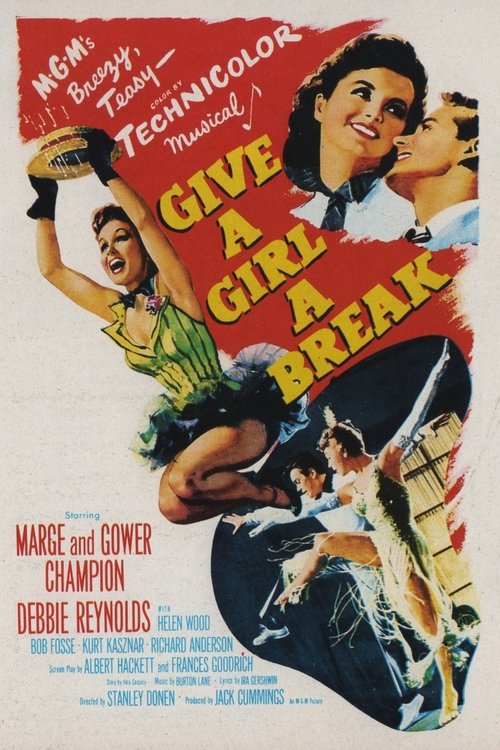
1953
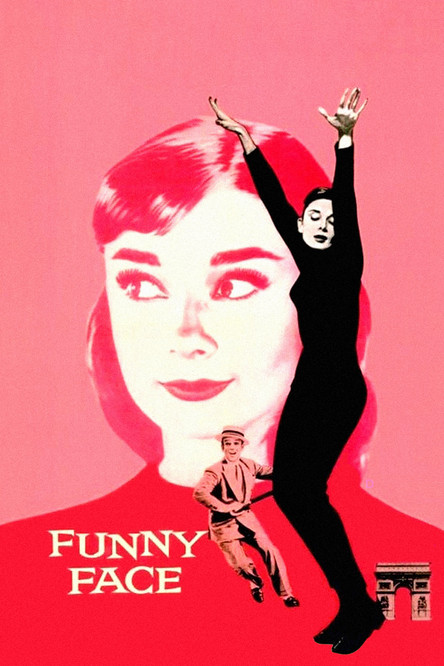
1957
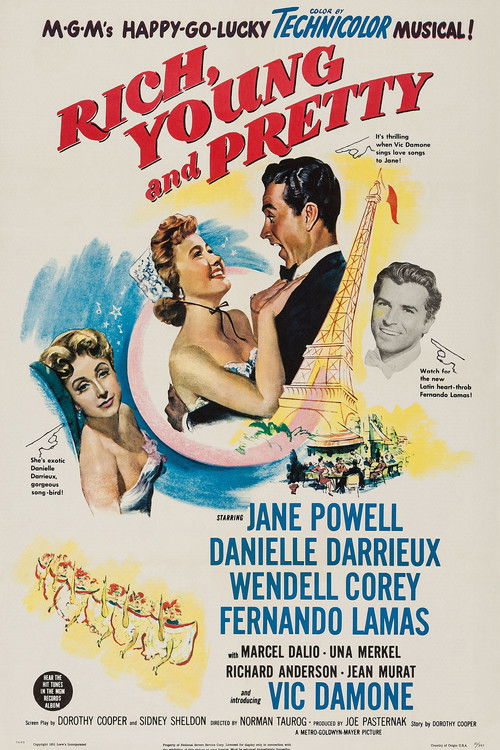
1951

1953
No reviews yet. Be the first to share your thoughts on this movie!
Use the rating form above to leave a star rating and optional review.