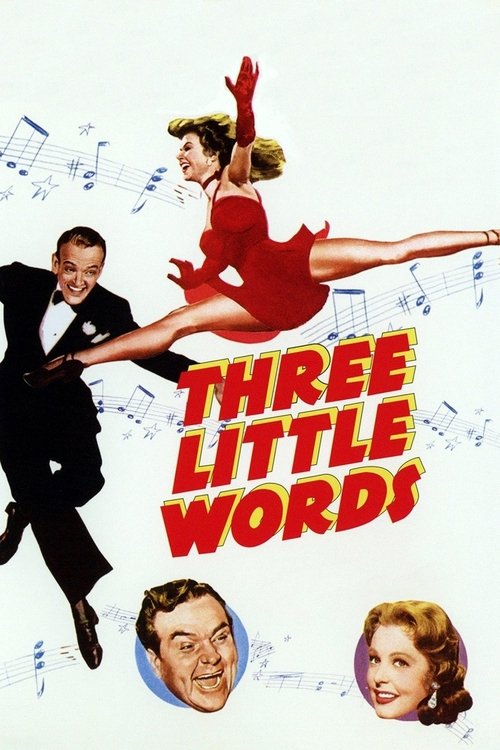
Three Little Words
1950
No user ratings available yet
Representation score: 0.4 out of 10
Representation Score
Minimal
1953
NRDirector
George Sidney
Runtime
109 minutes
Average Rating
No ratings yetNew Showbiz Analysis
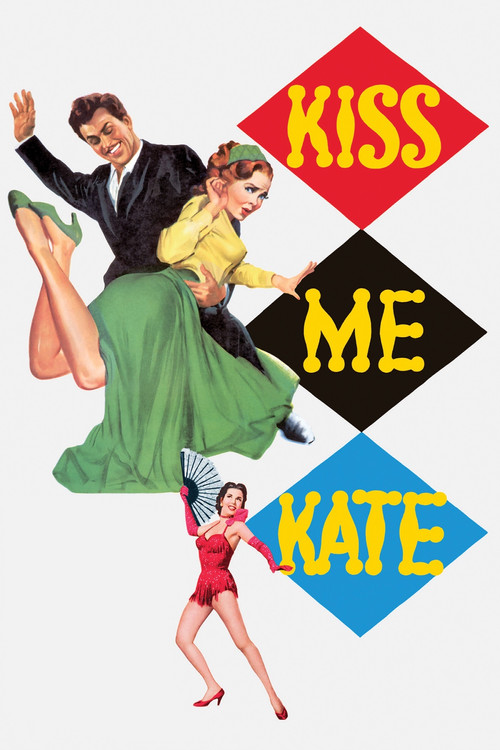
Kiss Me Kate is a quintessential mid-century musical that prioritizes spectacle and romantic comedy over social critique. While it features a spirited portrayal of femininity through its assertive female lead, it remains firmly rooted in the traditional gender dynamics of its era. The production reflects the homogeneous demographic standards of 1950s Hollywood, focusing on professional success and romantic reconciliation within a predominantly white, Western theatrical milieu, offering little room for diverse perspectives.
Category Breakdown
The film adheres to a strict focus on straight relationships, with no representation of non-traditional gender identities. The central plot revolves around the romantic tension between the male and female leads.
Katharine is portrayed as a witty and assertive woman who challenges the passive female stereotype. However, the story's resolution relies on the traditional 'taming' archetype and reinforces patriarchal hierarchies.
The cast is predominantly white and Anglo-Saxon, reflecting the era's casting practices. There is a noticeable absence of diverse representation within the theatrical setting.
The story celebrates mid-century Western theatrical culture and professional ambition. It upholds conventional morality and traditional social structures without addressing any systemic issues.
There are no prominent depictions of visible or invisible disabilities. No character arc is defined by physical impairment or neurodivergence.
Present on Screen
Limited or Absent
Official Synopsis
A pair of divorced actors are brought together to participate in a musical version of The Taming of the Shrew. Of course, the couple seem to act a great deal like the characters they play, and they must work together when mistaken identities get them mixed up with the mafia.
1950
1941
1948
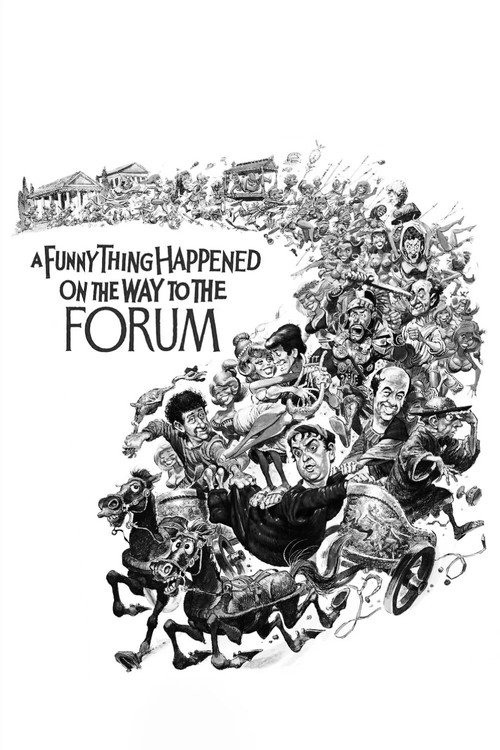
1966

1960
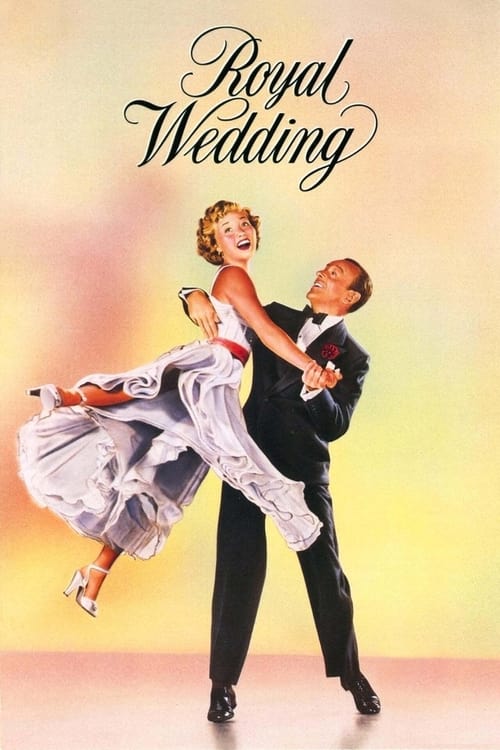
1951
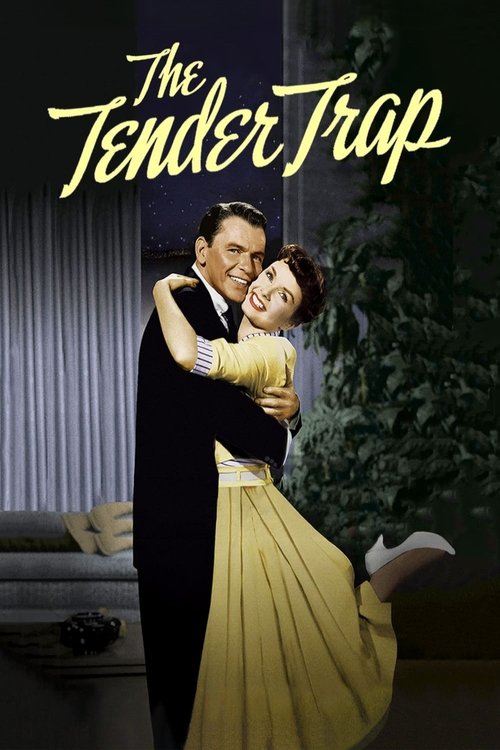
1955
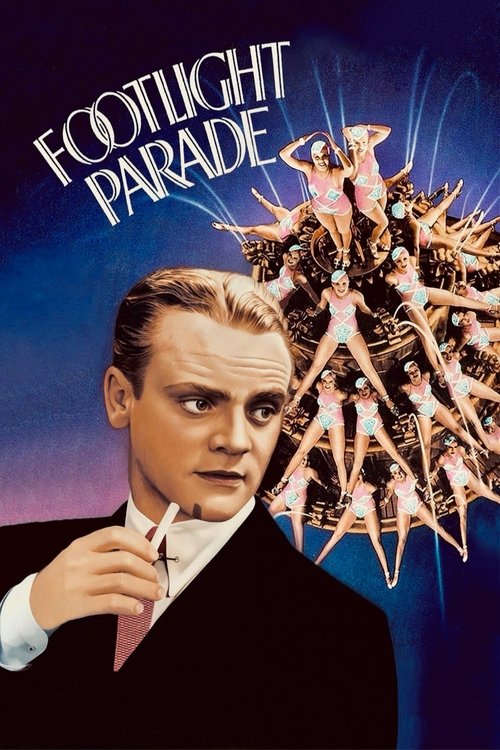
1933
No reviews yet. Be the first to share your thoughts on this movie!
Use the rating form above to leave a star rating and optional review.