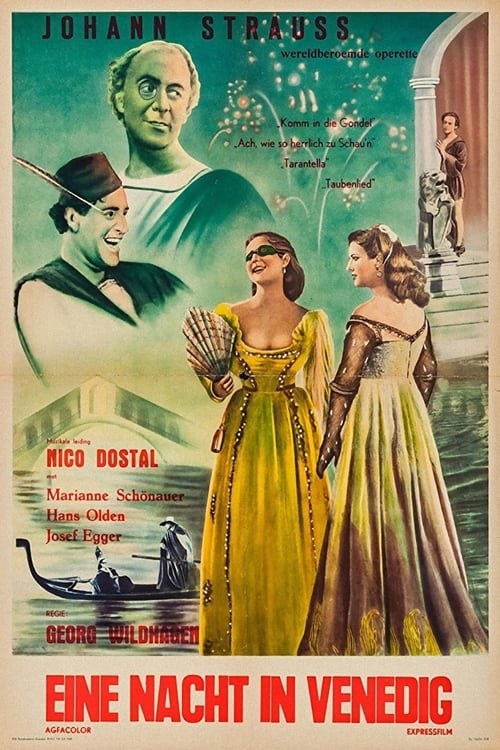
Eine Nacht in Venedig
1953
No user ratings available yet
Representation score: 2.0 out of 10
Representation Score
Minimal
1973
Director
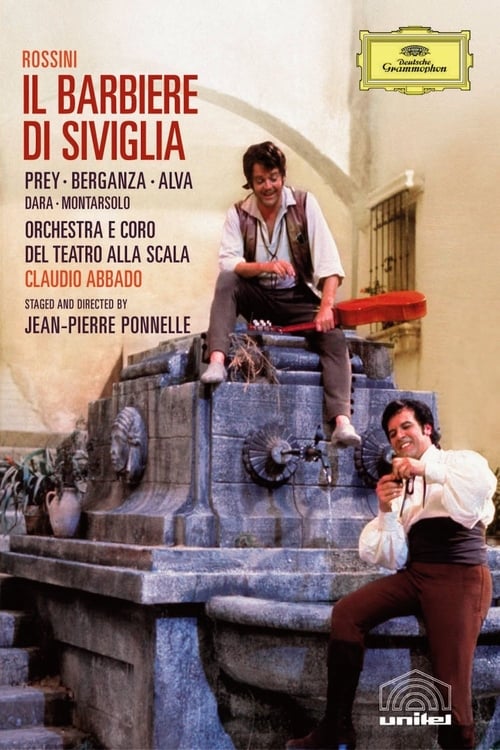
Jean-Pierre Ponnelle, Ernst Wild
Runtime
141 minutes
Average Rating
No ratings yetNew Showbiz Analysis
This production accurately preserves classical operatic traditions, focusing on historical and genre-specific authenticity. It prioritizes adherence to traditional narratives over contemporary social or demographic norms. The story effectively showcases the use of wit and intellect to overcome authority. However, it lacks the complexity needed to address multiple aspects of diversity. Overall, the work presents a historically accurate portrayal of 18th-century social structures and romantic ideals.
Category Breakdown
The production strictly follows conventional romantic storylines focused on heterosexual relationships. There are no hints of LGBTQ+ identities or relationships.
Rosina actively participates in the plot by challenging patriarchal rules. However, the ending emphasizes traditional romantic relationships, limiting the exploration of gender power dynamics.
The cast is primarily made up of white actors from Europe, reflecting a homogeneous look typical of operas set in 18th-century Spain.
The film adheres to classic Western storytelling, using traditional comedic elements rather than critiquing Western institutions.
Characters are portrayed according to typical operatic roles without any visible or hidden disabilities being central to the story.
Present on Screen
Limited or Absent
Official Synopsis
Count Almaviva is in love with Rosina. However, she is currently staying with Dr. Bartolo – who desires to marry her. By using a series of disguises, Almaviva manages to pass letters to Rosina and serenade her with his beautiful voice. Dr. Bartolo does his best to stop Almaviva but is constantly thwarted. In the end, Count Almaviva marries Rosina and Dr. Bartolo comes to terms with his defeat.
1953
1966
1951
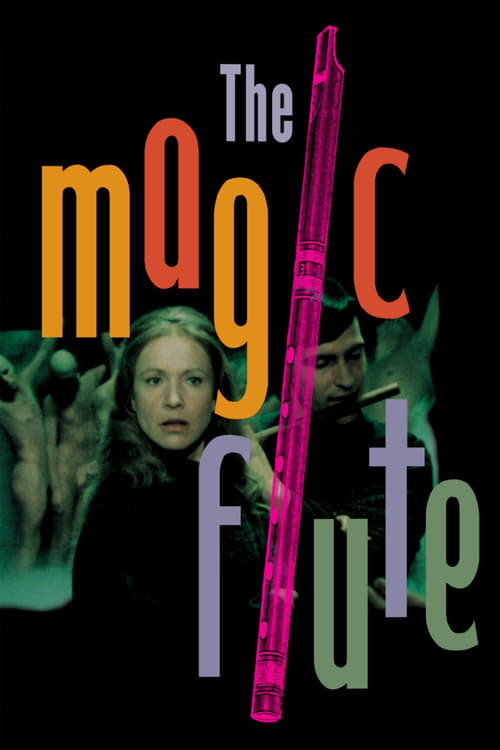
1975
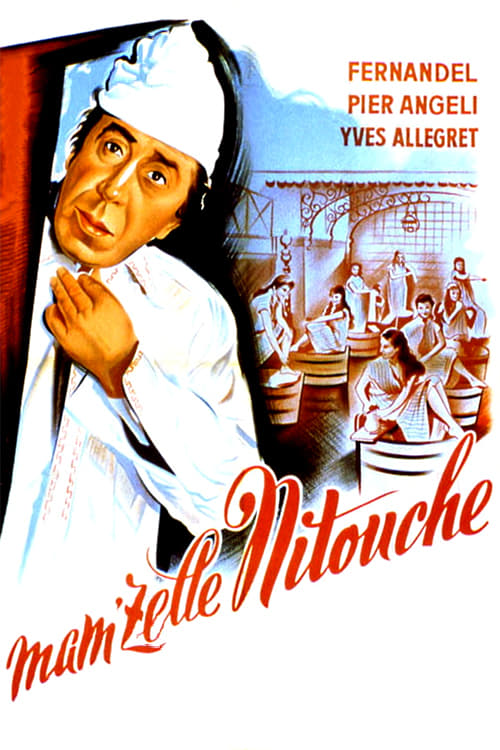
1954
2005
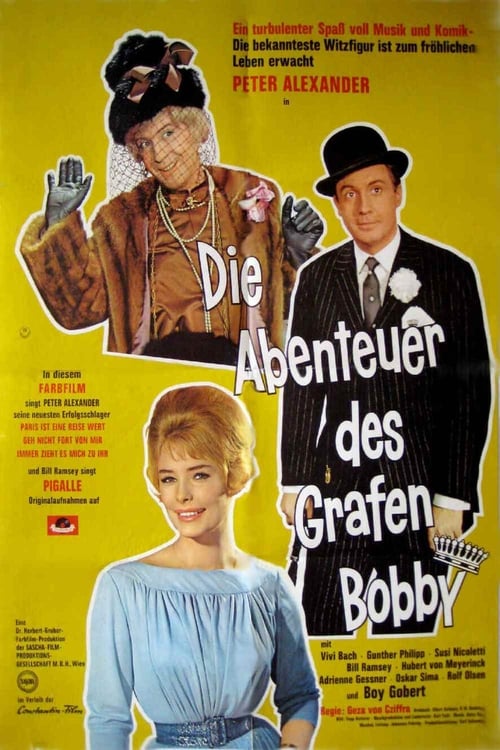
1961
1964
No reviews yet. Be the first to share your thoughts on this movie!
Use the rating form above to leave a star rating and optional review.