
It Should Happen to You
1954
No user ratings available yet
Representation score: 1.2 out of 10
Representation Score
Minimal
1942
NRDirector
Mitchell Leisen
Runtime
92 minutes
Average Rating
No ratings yetNew Showbiz Analysis
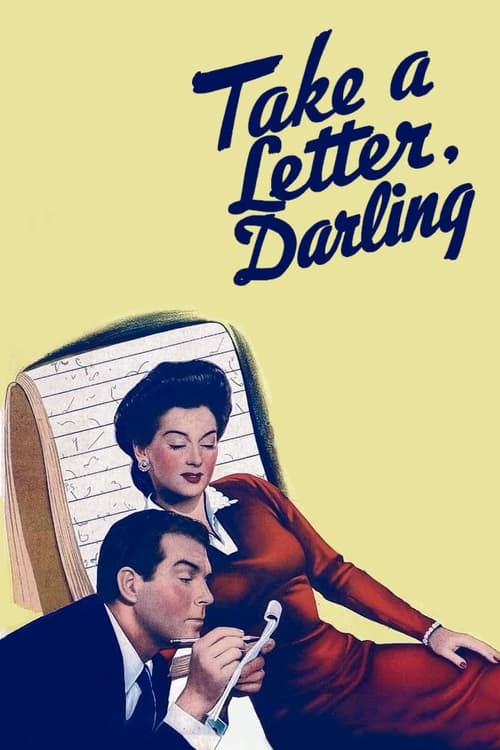
Take a Letter, Darling adheres to the polished, conventional standards of the 1942 studio system. It highlights women in actively leading, professional roles, showcasing intellectual competence and independence. However, the film remains constrained by the biases of its time. It lacks racial, cultural, and LGBTQ+ diversity, presenting a homogeneous world that avoids engaging with multi-layered identities or social critique. Ultimately, while the film offers a progressive look at female professional life, it remains firmly rooted in the traditional social hierarchies and heterosexual norms of the early 1940s.
Category Breakdown
The film follows traditional heterosexual relationships without including same-sex intimacy or non-binary gender identities.
Women hold professional positions and demonstrate intellectual independence. The film challenges the damsel-in-distress cliché through career-focused characters, though it leans towards traditional romantic storylines.
The cast and setting are predominantly white, lacking characters from diverse racial backgrounds or non-Anglo-Saxon cultures.
The story unfolds within typical Western capitalist and urban settings, reinforcing traditional social stability without questioning established institutions.
There are no visible or hidden disabilities shown. All characters are depicted as able-bodied professionals without any portrayal of neurodivergent or physical conditions.
Present on Screen
Limited or Absent
Official Synopsis
A struggling painter takes a job as a secretary to a female advertising executive. While working to obtain an account from a tobacco company, they end up falling in love.
1954
1940
1934

1934
1936
1939

1941

1942
No reviews yet. Be the first to share your thoughts on this movie!
Use the rating form above to leave a star rating and optional review.