
Goodbye Again
1933
No user ratings available yet
Representation score: 1.4 out of 10
Representation Score
Minimal
1933
NRDirector
Harry Beaumont
Runtime
85 minutes
Average Rating
No ratings yetNew Showbiz Analysis
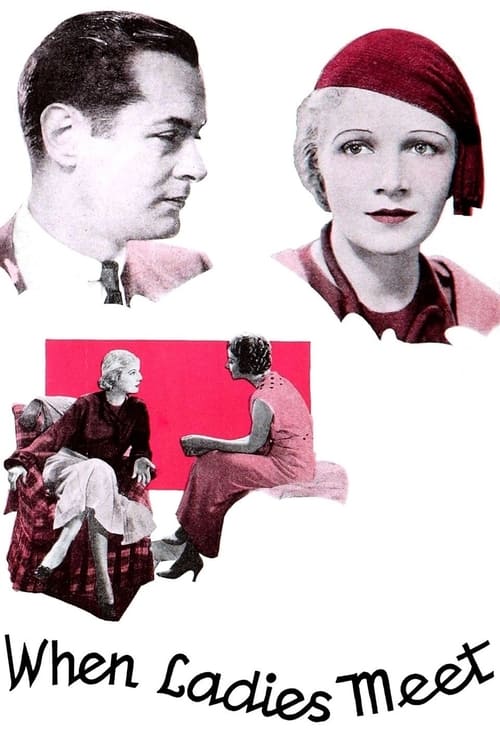
When Ladies Meet is a classic product of the early 1930s studio system, designed primarily for escapist entertainment. While the female lead demonstrates professional independence typical of the pre-Code era, the film lacks depth in reflecting multiple aspects of identity. The narrative structure reinforces traditional social, racial, and gender hierarchies. It presents a narrow view of a homogeneous upper class without challenging the broader social norms of the time.
Category Breakdown
The film centers on a traditional romantic triangle focused on heterosexual relationships. It does not include any representation of non-straight identities or narratives that challenge the assumption that everyone is straight or cisgender.
Mary has a professional role as a writer, which provides her with independence from traditional domestic life. However, the plot revolves around period-specific courtship and romantic strategies.
The casting is predominantly white, focusing on a wealthy, upper-class social environment. There are no characters of color in the narrative.
The setting highlights high-society capitalism and traditional social structures. It uses Western institutions as a backdrop for comedy without questioning them.
The characters are portrayed as fully able-bodied members of the social elite. The story does not engage with neurodivergence or physical impairments.
Present on Screen
Limited or Absent
Official Synopsis
Mary, a writer working on a novel about a love triangle, is attracted to her publisher. Her suitor Jimmy is determined to break them up; he introduces Mary to the publisher's wife without telling Mary who she is.
1933

1948

1941
1936

1935
1939

1934
1932
No reviews yet. Be the first to share your thoughts on this movie!
Use the rating form above to leave a star rating and optional review.