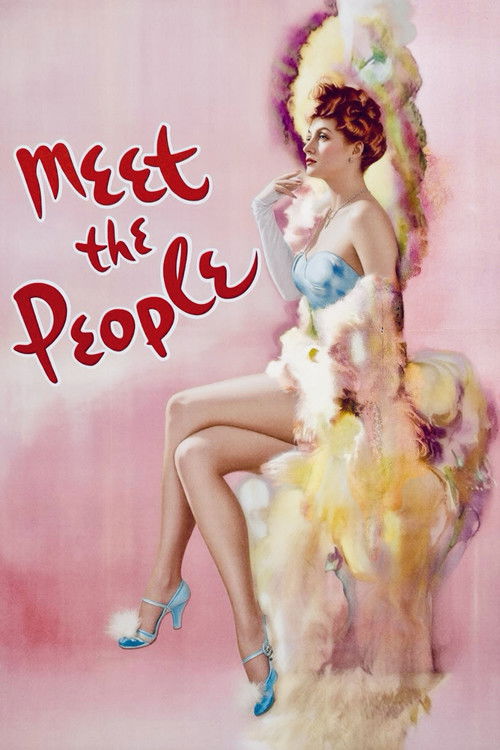
Meet the People
1944
No user ratings available yet
Representation score: 2.0 out of 10
Representation Score
Minimal
1942
Director
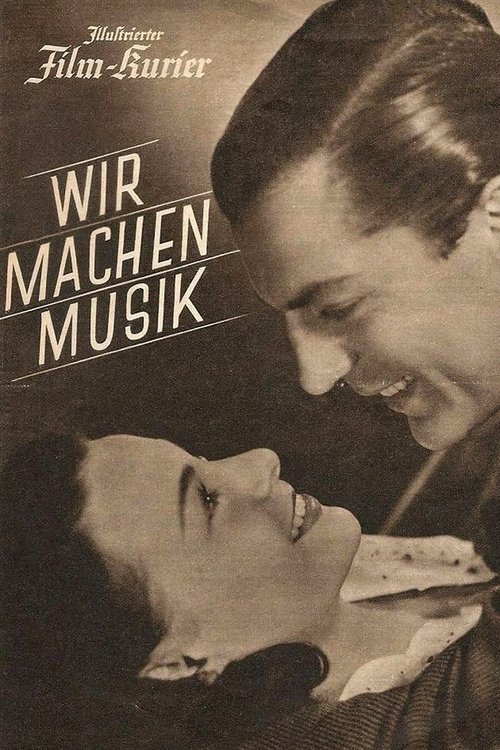
Helmut Käutner
Runtime
95 minutes
Average Rating
No ratings yetNew Showbiz Analysis
Helmut Käutner’s film provides a sophisticated exploration of professional and romantic harmony through a non-linear, retrospective structure. While it adheres to the demographic limitations of 1942 German cinema, it avoids rigid stereotypes in favor of dynamic character development. The film's primary strength lies in its challenge of traditional gender hierarchies. By highlighting the female lead's commercial success and the male lead's professional struggles, the story promotes a model of emotional and professional reciprocity. However, the film remains confined by its historical context, lacking racial diversity and LGBTQ+ representation. It functions as a period-specific romantic comedy that prioritizes individual artistic struggle over broader societal issues.
Category Breakdown
The film centers on a traditional heterosexual relationship and marriage. There are no non-straight identities or critiques of the assumption that everyone is straight or cisgender.
Anni is portrayed as a highly successful revue star, while Paul faces professional struggles. This contrasts the typical provider role, suggesting a nuanced portrayal of professional equality.
The story seems to focus on a homogeneous social environment. There is no indication of racial blending or diverse casting within the narrative.
The film emphasizes personal and professional fulfillment over broader political ideologies. It operates within conventional romantic comedy frameworks, focusing on the family unit.
There is no evidence regarding the portrayal of physical or neurodivergent disabilities in this work.
Present on Screen
Limited or Absent
Official Synopsis
Caught at the window just before an air-raid warning (WWII) composer Paul tells how he met his wive Anni, a revue star and song writer, how he handled the courtship and the early years of his marriage, inspite of some professional conflicts - his operas were flops, while his wive had one success after the other - they finally found out how they could help each other.
1944
1937
1943

1952

1943
1949
1934
1937
No reviews yet. Be the first to share your thoughts on this movie!
Use the rating form above to leave a star rating and optional review.