
Day-time Wife
1939
No user ratings available yet
Representation score: 1.0 out of 10
Representation Score
Minimal
1936
ApprovedDirector
Alfred E. Green
Runtime
77 minutes
Average Rating
No ratings yetNew Showbiz Analysis
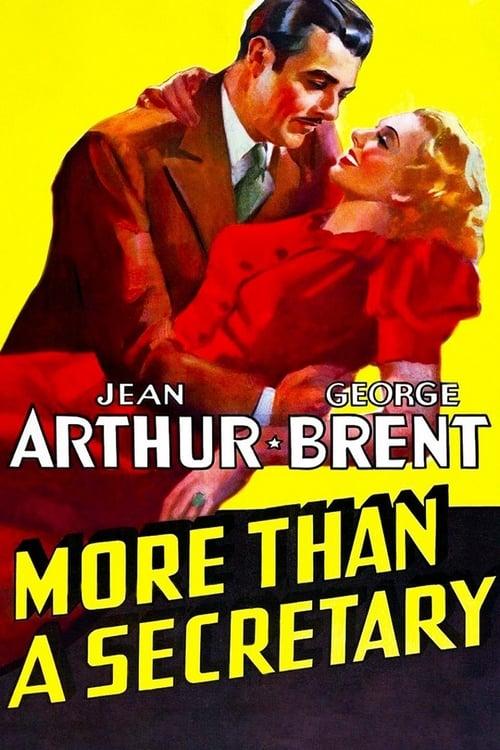
More Than a Secretary is a typical product of the 1930s studio system. It functions as a standard romantic comedy that upholds established social hierarchies and traditional courtship. While it offers a glimpse into the professional world of the era, it does so through a narrow lens. The film's main strength lies in its portrayal of a competent female protagonist who uses her intellect to navigate her career. However, this strength is balanced against the era's romantic expectations. Ultimately, the film lacks depth in representing diverse perspectives. It operates within a singular, Anglo-centric social norm that excludes various racial, ethnic, and LGBTQ+ viewpoints, reflecting historical homogeneity rather than challenging it.
Category Breakdown
The film follows a conventional path that assumes everyone is straight and cisgender. There is no evidence of non-binary gender identities or same-sex relationships.
The protagonist shows professional leadership and sharp intellect in a male-dominated workplace. However, the story resolves through traditional romantic structures.
The cast consists of white, middle-class professionals. The film lacks meaningful representation of racial or ethnic diversity, reflecting the homogeneity of 1930s Hollywood.
The story is set in a traditional capitalist environment that celebrates the professional office. It reinforces the stability of the corporate social order.
There is no visible or invisible disability representation. Characters are shown as able-bodied, fitting the standard physical archetypes of the era.
Present on Screen
Limited or Absent
Official Synopsis
When the co-owner of a secretarial school visits a magazine editor to find out why he runs through secretaries, she's mistaken for an applicant. Drawn to him, she accepts the position.
1939

1934
1938

1940
1937

1936
1932

1934
No reviews yet. Be the first to share your thoughts on this movie!
Use the rating form above to leave a star rating and optional review.