
Holiday Affair
1949
No user ratings available yet
Representation score: 0.4 out of 10
Representation Score
Minimal
1940
NRDirector
Mitchell Leisen
Runtime
94 minutes
Average Rating
No ratings yetNew Showbiz Analysis
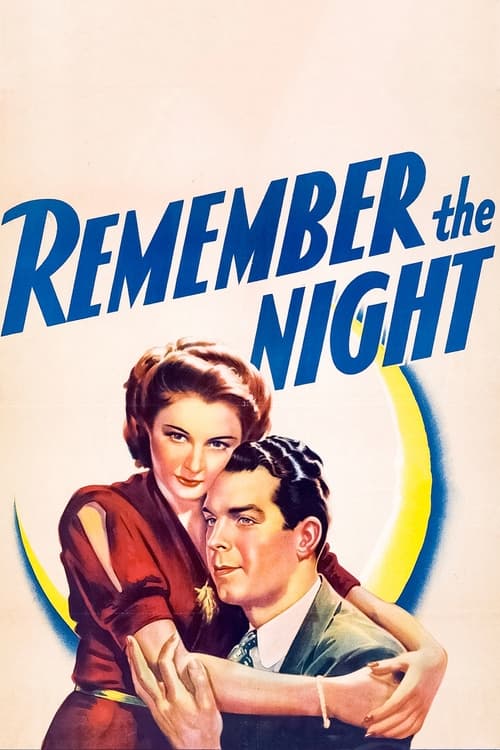
Remember the Night is a typical period romantic comedy that emphasizes demographic uniformity and traditional social structures. While it offers a refreshing level of ability to act to its female lead, the film remains firmly rooted in the conventions of 1940s Hollywood. The narrative centers almost exclusively on class distinctions within a single, white, high-society demographic, avoiding multi-layered complexity. It serves as a classic studio system product that upholds established social order without challenging it. Ultimately, the film provides a nuanced character study for its era through its protagonist, but fails to represent significant diversity in terms of race, sexuality, or disability.
Category Breakdown
The film follows traditional heterosexual relationships and does not depict any LGBTQ+ identities or queer subtext.
Barbara Stanwyck’s character challenges traditional gender roles by taking an active role in driving the plot through her intellect and actions.
The story focuses on a homogeneous, high-society white community and does not include meaningful racial or ethnic diversity.
The film upholds traditional Western social structures and romantic norms through its glamorous depiction of high society.
The narrative does not include characters with visible or invisible disabilities and avoids themes related to neurodivergence or physical impairment.
Present on Screen
Limited or Absent
Official Synopsis
Unexpected love blossoms when an assistant district attorney agrees to take a recidivist shoplifter home so she doesn't have to spend Christmas alone in jail.
1949
1942
1932
1932

1942
1938
1935
1948
No reviews yet. Be the first to share your thoughts on this movie!
Use the rating form above to leave a star rating and optional review.