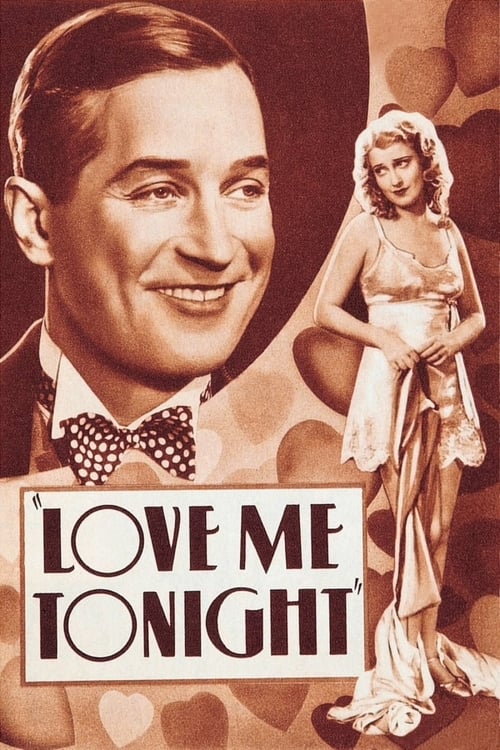
Love Me Tonight
1932
No user ratings available yet
Representation score: 1.1 out of 10
Representation Score
Limited
1939
ApprovedDirector
Mitchell Leisen
Runtime
94 minutes
Average Rating
No ratings yetNew Showbiz Analysis
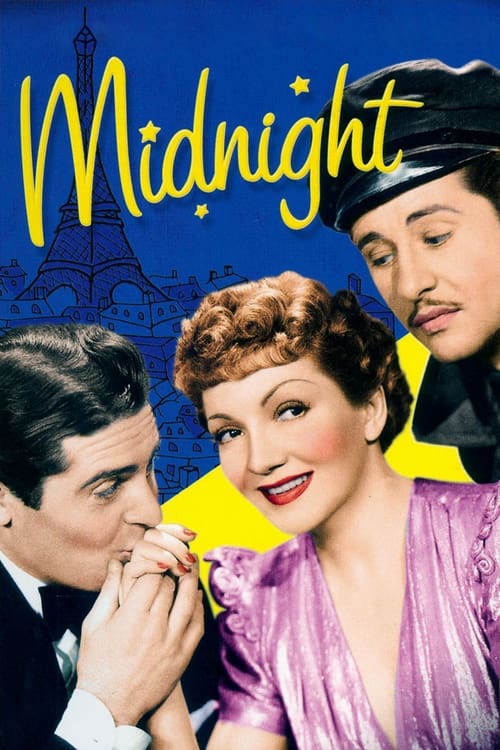
Midnight is a classic Golden Age Hollywood film that emphasizes witty dialogue over social critique. Its key strength lies in its portrayal of a capable female protagonist who navigates high society with intelligence and confidence. However, the film adheres closely to the demographic norms of its time. It lacks diverse representation and avoids challenging racial or systemic power structures, focusing instead on class distinctions within Western society. Overall, Midnight serves as a polished, light-hearted comedy. It offers a moderately empowering female lead but remains confined by the traditional norms of the 1930s.
Category Breakdown
The film does not include any visible LGBTQ+ characters or non-straight relationships. The romantic storyline focuses solely on heterosexual couples, reflecting the norms of the 1930s.
The main character drives the story through clever wit and intellect rather than passive behavior. Despite the resolution favoring romance, the female lead maintains significant influence and speaks confidently throughout.
The cast is mostly white, Anglo-American, and European. There are no characters of color with substantial roles in the narrative.
The story criticizes social manners through scandalous behavior like heavy drinking. However, it functions as light-hearted comedy rather than a deep critique of religion or capitalism.
There are no prominent depictions of physical or cognitive disabilities in the story.
Present on Screen
Limited or Absent
Official Synopsis
An unemployed American showgirl poses as Hungarian royalty to infiltrate Parisian high society.
1932

1926
1932

1937
1941

1938

1935
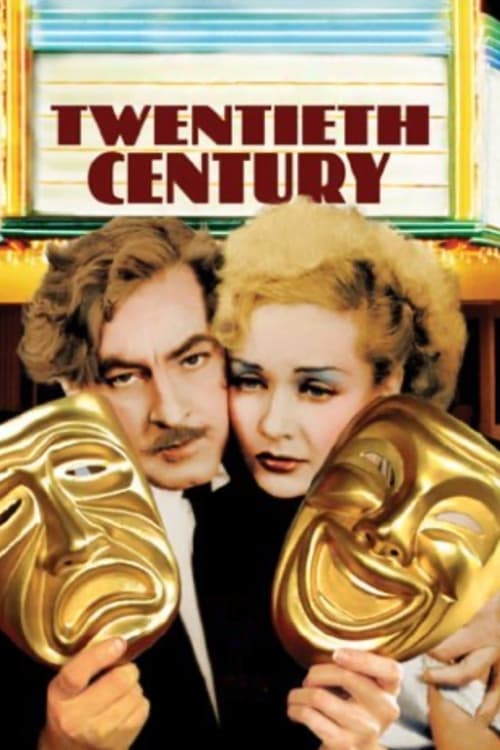
1934
No reviews yet. Be the first to share your thoughts on this movie!
Use the rating form above to leave a star rating and optional review.