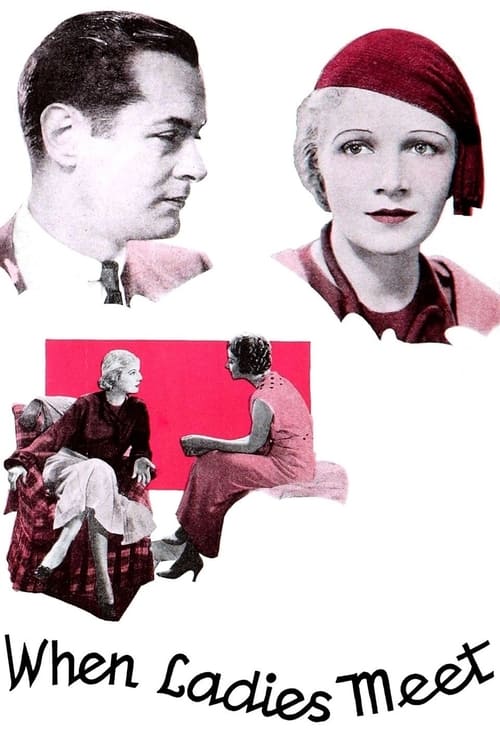
When Ladies Meet
1933
No user ratings available yet
Representation score: 1.2 out of 10

Representation Score
Minimal
1933
UnratedDirector
Michael Curtiz
Runtime
66 minutes
Average Rating
No ratings yetNew Showbiz Analysis
Goodbye Again is a standard period melodrama reflecting the demographic homogeneity of early 1930s cinema. While the film provides a moderate level of ability to act to its female lead, it lacks the complexity and racial diversity needed for a higher score. The narrative structure upholds traditional social hierarchies of the time, focusing on class-based stability and social decorum. Ultimately, the film captures a specific era's social norms, prioritizing romantic tension over systemic critique or diverse representation.
Category Breakdown
The film focuses solely on heterosexual relationships and infidelity, with no representation of LGBTQ+ identities or narratives.
The female protagonist drives much of the emotional tension through her romantic choices. However, the story remains tied to traditional clichés about female infidelity and its social consequences.
The cast lacks racial or ethnic diversity, depicting a homogeneous, upper-class European social setting typical of 1930s Hollywood.
The story explores the interpersonal dynamics of social status and marriage within a high-society framework. It does not engage with critiques of Western institutions or religion.
There are no visible or invisible disabilities portrayed within the character arcs or the plot progression.
Present on Screen
Limited or Absent
Official Synopsis
Flirtatious mix-ups abound when a celebrated novelist tangles with an old flame and her suspicious husband. Will the author's savvy secretary, who's secretly in love with him, save his neck?
1933

1948
1939

1937

1932

1937
1937

1933
No reviews yet. Be the first to share your thoughts on this movie!
Use the rating form above to leave a star rating and optional review.