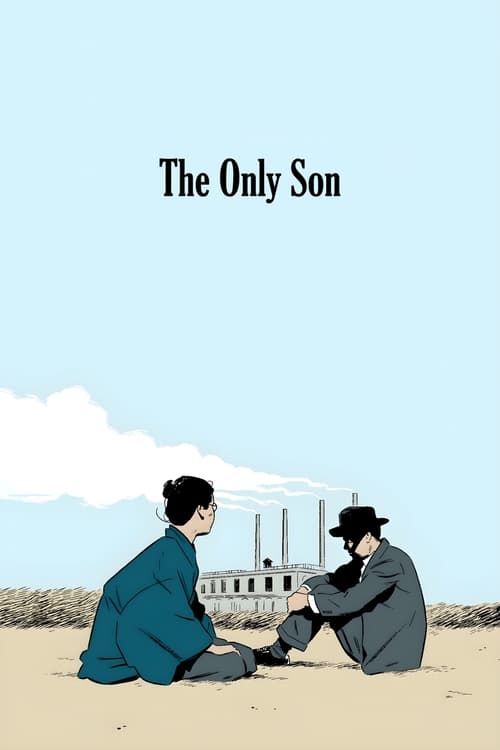
The Only Son
1936
No user ratings available yet
Representation score: 2.9 out of 10

Representation Score
Limited
1933
Director
Yasujirō Ozu
Runtime
47 minutes
Average Rating
No ratings yetNew Showbiz Analysis
Woman of Tokyo offers a sophisticated look at the tension between individual survival and societal expectations in 1930s Japan. By focusing on the economic ability to act of the female protagonist, the film challenges the era's typical domestic narratives. While the cast is culturally uniform, the film avoids simplistic moral judgments. Instead, it explores the complex ways in which modern urban life impacts traditional family structures.
Category Breakdown
The film does not include any LGBTQ+ characters or non-straight relationships. The story focuses on the domestic and socioeconomic struggles of the central siblings.
Chikako challenges traditional gender roles by being the main economic provider for her brother. Her actions position her as the primary driver of the story, while her brother is shown as a recipient of her support.
The cast is culturally uniform, reflecting the historical Japanese context. It provides an authentic look at the working class without a Western perspective.
The narrative examines how modern capitalism affects traditional family structures. It presents a nuanced view of the impact of economic pressures on families.
There are no characters with visible or invisible disabilities that play central roles or serve as plot devices.
Present on Screen
Limited or Absent
Official Synopsis
Ryoichi and Chikako, brother and sister, live together. Chikako toils during the day and, at night, prostitutes herself to fund his college tuition.
1936

1956
1935
1935

1936

1933

1951
1936
No reviews yet. Be the first to share your thoughts on this movie!
Use the rating form above to leave a star rating and optional review.