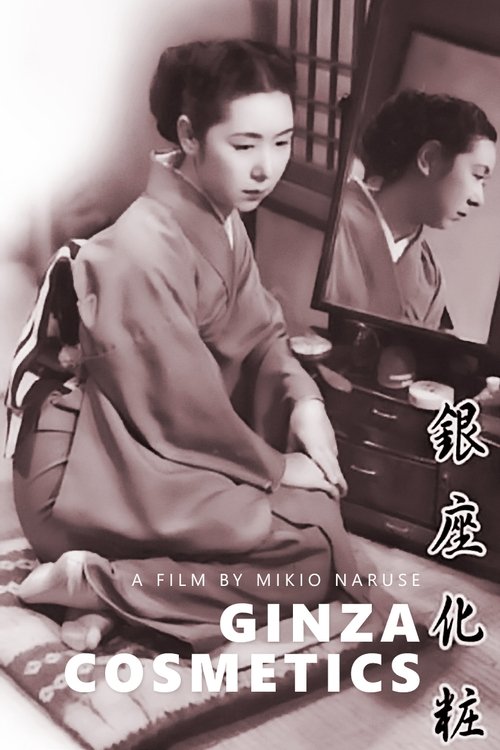
Ginza Cosmetics
1951
No user ratings available yet
Representation score: 5.2 out of 10
Representation Score
Limited
1952
PG-13Director
Mikio Naruse
Runtime
98 minutes
Average Rating
No ratings yetNew Showbiz Analysis
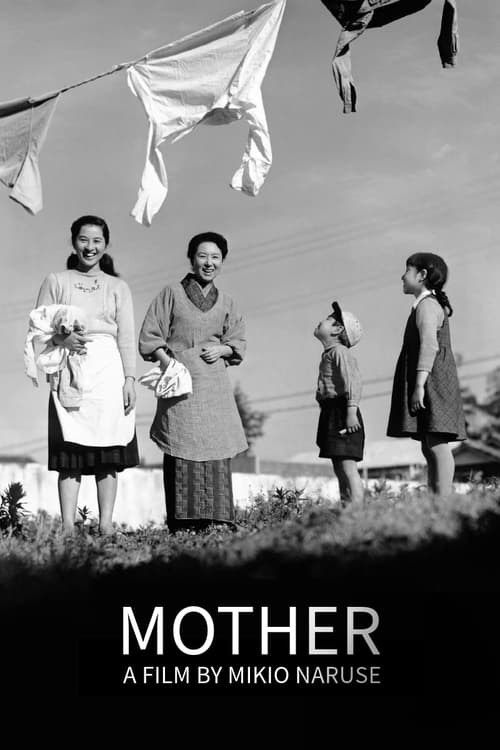
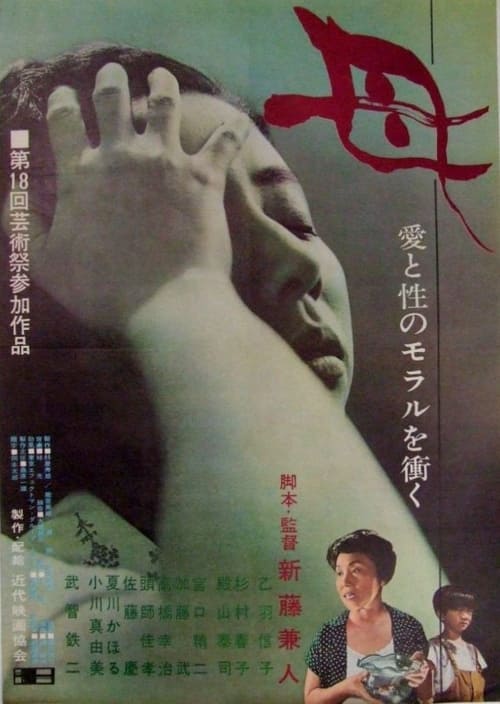
Mikio Naruse’s *Mother* is a powerful exploration of female resilience in post-war Japan. By focusing on a widowed mother, the film highlights the critical role women play in sustaining their families. The film also provides a sophisticated critique of the economic hardships faced by the working class, using the domestic setting to explore resistance to societal changes. However, the film is limited by the social context of its time. It lacks any representation of LGBTQ+ identities or non-cisgender genders, and there is no depiction of physical, sensory, or neurodivergent disabilities.
Category Breakdown
The film focuses solely on families where everyone is assumed to be straight and cisgender. There are no depictions of non-straight or non-cisgender identities or same-sex relationships.
The story centers around a woman who uses her emotional and intellectual strength to support her family. She plays a significant role in driving the plot and shows great resilience in a patriarchal society.
The cast is made up entirely of Japanese actors, reflecting the culture authentically. It provides a realistic look at the Japanese working class without bringing in actors from other backgrounds.
The story offers a detailed look at the post-war Japanese economy and society. It examines how changes in the economy affect traditional family structures and social stability.
There are no prominent depictions of physical, sensory, or neurodivergent disabilities in the narrative.
Present on Screen
Limited or Absent
Official Synopsis
A teenaged girl witnesses her widowed mother's attempt to sustain her family.
1951
1936
1960

1970
1953
1962
1963

1958
No reviews yet. Be the first to share your thoughts on this movie!
Use the rating form above to leave a star rating and optional review.