There Was a Father
1942
No user ratings available yet
Representation score: 1.9 out of 10
Representation Score
Limited
1939
Director
Tomu Uchida
Runtime
115 minutes
Average Rating
No ratings yetNew Showbiz Analysis
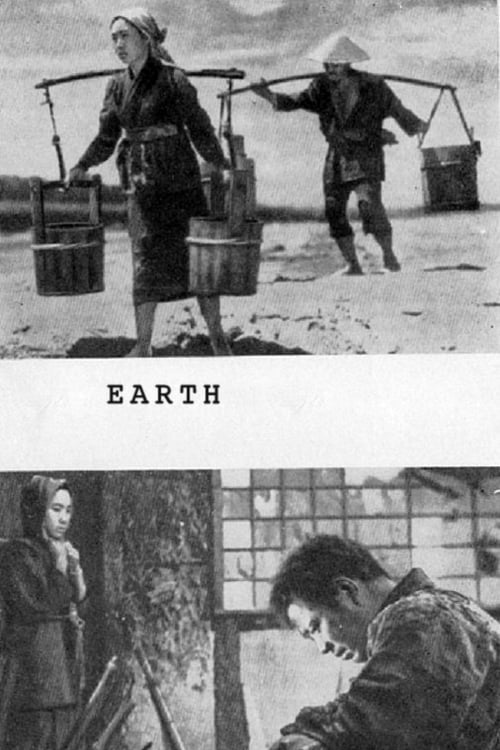
Earth (1939) is a period drama that finds its strength in its non-Western perspective. By focusing on the socioeconomic struggles of Japanese peasants, it offers a localized narrative that challenges the dominance of Western-centric cinema. However, the film operates within traditional frameworks. The gender dynamics appear rooted in a patriarchal structure, focusing on the male protagonist's responsibility to provide for his daughter and manage family debts. While the film offers a compelling critique of class and systemic poverty, it lacks representation regarding LGBTQ+ identities or disability, reflecting the limited character data available for this historical setting.
Category Breakdown
The story focuses on a traditional family unit with a widower and his daughter. There are no characters with non-traditional gender identities or stories that challenge the assumption that everyone is straight or cisgender.
The film follows a patriarchal framework where the male protagonist struggles to provide for his family. The focus remains on his role as a protector against systemic debt.
As a piece of Japanese cinema, the film offers a non-Western perspective. It centers on the lived experiences of Japanese peasantry, disrupting the Western-centric gaze.
The story provides a critique of systemic economic oppression and social hierarchies. It highlights the cyclical nature of poverty and the burdens of local financial institutions.
There is no information regarding characters with visible or invisible disabilities. The narrative focus remains strictly on socioeconomic struggles.
Present on Screen
Limited or Absent
Official Synopsis
Kanji is a poor peasant widower who struggles to earn a living for his daughter and himself and to pay off his father-in-law's debts.
1942

1960

1951
1936
1952

1945
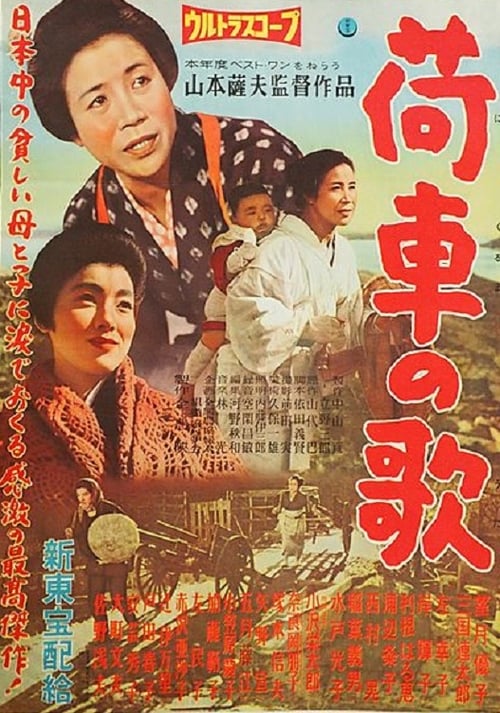
1959
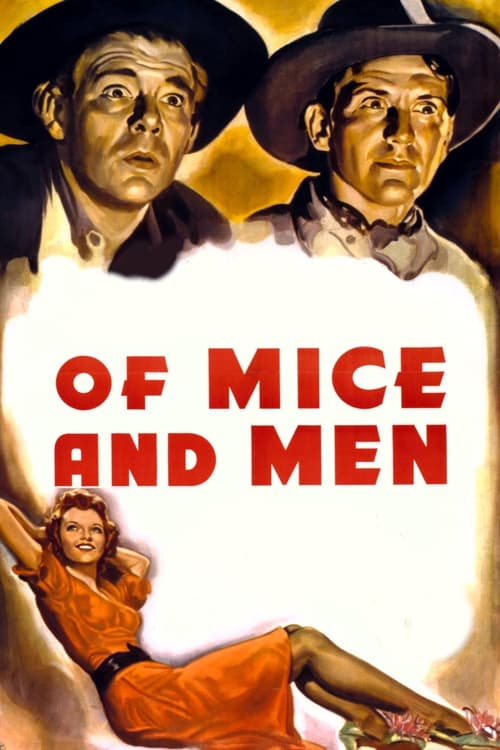
1939
No reviews yet. Be the first to share your thoughts on this movie!
Use the rating form above to leave a star rating and optional review.