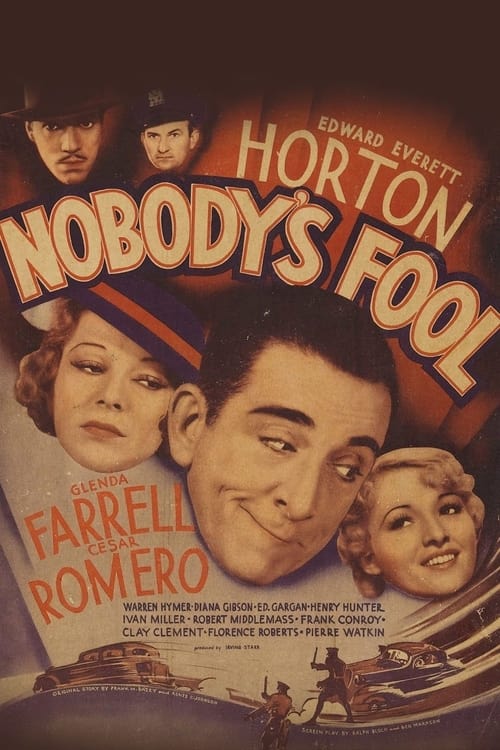
Nobody's Fool
1936
No user ratings available yet
Representation score: 1.6 out of 10
Representation Score
Minimal
1936
ApprovedDirector
Ralph Staub
Runtime
66 minutes
Average Rating
No ratings yetNew Showbiz Analysis
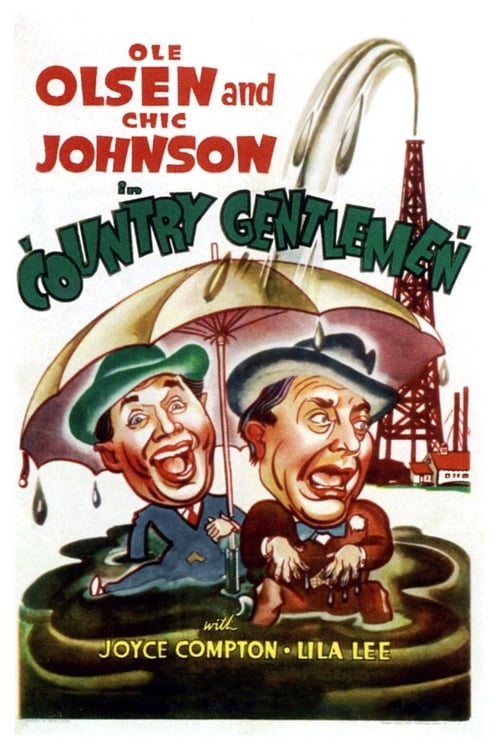
Country Gentlemen is a conventional 1930s comedy that prioritizes traditional comedic formulas over narrative complexity. The story centers on two male con artists navigating small-town misunderstandings, reinforcing established masculine archetypes of the era. The film lacks intentional engagement with diverse identities. Instead, it adheres to the demographic norms and social standards prevalent in mid-1930s American cinema, focusing on individual scams rather than broader social critiques. Because the film functions as a standard period piece, it offers little in the way of diverse representation or subversion of the status quo.
Category Breakdown
The film does not depict any LGBTQ+ identities or same-sex relationships. It follows the straight-centered norms typical of the 1930s.
The plot is driven by two male protagonists acting as rogue tricksters. Female characters do not have significant roles or challenge traditional gender hierarchies.
The narrative reflects the homogeneous social structures of 1936. It depicts a largely Anglo-Saxon social norm.
The story relies on a classic small-town versus outsider dynamic. It focuses on individual morality and restorative social order rather than critiquing systemic institutions.
There is no information regarding the inclusion of characters with visible or invisible disabilities.
Present on Screen
Limited or Absent
Official Synopsis
After being run out of town after town for trying to sell worthless stock, two con artists breeze into the small town of Chesterville, where they find themselves accused of kidnapping a young boy to whom they offered a ride. When that misunderstanding is cleared up, the two conmen hatch a plot to unload all their worthless paper on the gullible citizens of Chesterville.
1936

1923

1936
1940
1918

1936
1929
1930
No reviews yet. Be the first to share your thoughts on this movie!
Use the rating form above to leave a star rating and optional review.