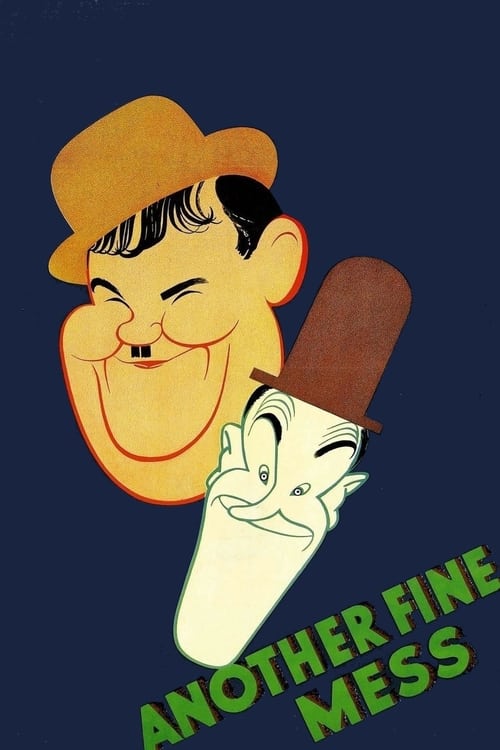
Another Fine Mess
1930
No user ratings available yet
Representation score: 0.5 out of 10
Representation Score
Minimal
1932
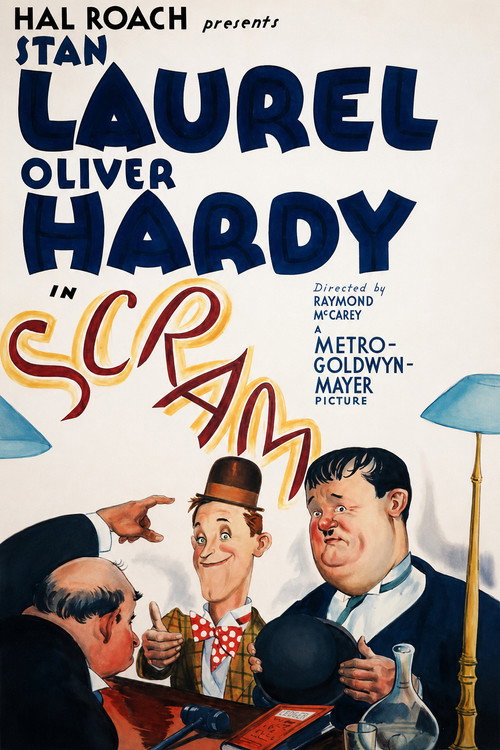
NRDirector
Ray McCarey
Runtime
20 minutes
Average Rating
No ratings yetNew Showbiz Analysis
Scram! is a product of the early 1930s studio system, prioritizing physical comedy and situational absurdity over social critique. The film relies heavily on established social hierarchies and reactive character archetypes common to the era. The narrative lacks complexity in exploring multiple aspects of identity, focusing instead on the comedic disruption caused by vagrants entering a luxurious setting. This approach reinforces traditional gender and class roles rather than challenging them. Ultimately, the film serves as a snapshot of period-specific comedic clichés, offering little in the way of diverse representation or progressive social commentary.
Category Breakdown
The film does not include any LGBTQ+ characters or narratives. The story adheres to a traditional comedic structure that does not explore non-straight identities.
Female characters seem to serve primarily as reactive plot devices. The depiction of a woman fainting when the protagonists arrive reinforces outdated stereotypes of feminine fragility.
The story focuses on interactions between vagrants and wealthy individuals, without showing any diverse casting or intentional racial blending.
The plot uses class conflict between poverty and wealth as a vehicle for slapstick humor. It operates within a conventional capitalist framework without questioning social institutions.
There is no mention of characters with physical, sensory, or neurodivergent disabilities in the narrative.
Present on Screen
Limited or Absent
Official Synopsis
Ordered out of town by angry Judge Beaumont, vagrants Stanley and Oliver meet a congenial drunk who invites them to stay at his luxurious mansion. The drunk can't find his key, but the boys find a way in, sending the surprised woman inside into a faint.
1930
1940
1935
1926
1934
1930

1930
1927
No reviews yet. Be the first to share your thoughts on this movie!
Use the rating form above to leave a star rating and optional review.