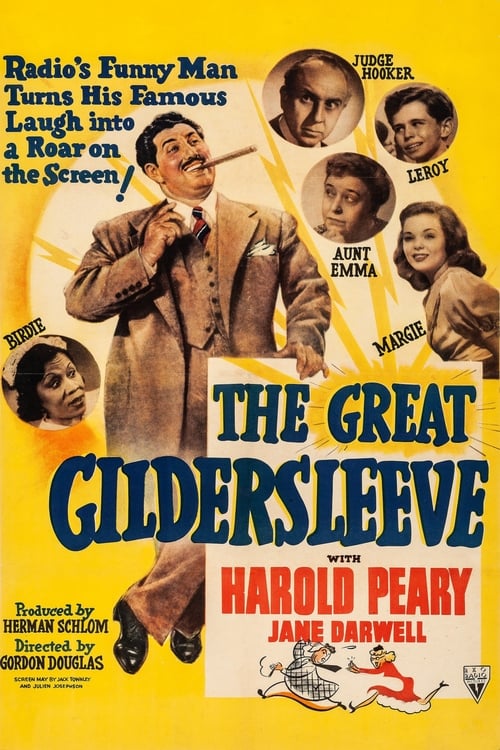
The Great Gildersleeve
1942
No user ratings available yet
Representation score: 1.3 out of 10
Representation Score
Minimal
1941
ApprovedDirector
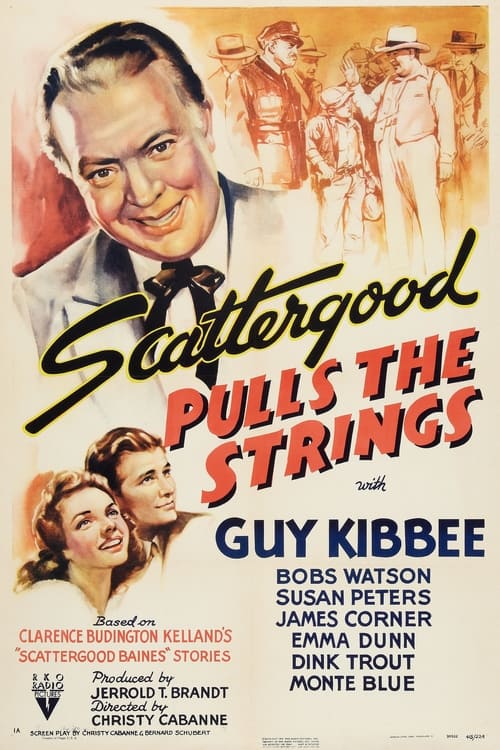
Christy Cabanne
Runtime
66 minutes
Average Rating
No ratings yetNew Showbiz Analysis
Scattergood Pulls the Strings is a traditional 1941 comedy that adheres closely to the social and moral norms of its time. The plot centers on small-town dynamics, family authority, and conventional romantic conflicts, offering little room for social subversion. The film prioritizes maintaining established institutions such as the family unit and local commerce. Since the narrative relies on standard social hierarchies and lacks diverse perspectives, it serves as a period piece reflecting the era's status quo rather than challenging it.
Category Breakdown
The film does not include any representations of LGBTQ+ identities or same-sex relationships. The story follows traditional romantic paths and courtship rituals.
The narrative reinforces traditional gender roles and patriarchal structures. A key conflict revolves around a father trying to control his daughter's marriage, which limits her independence and control over her life.
The small-town setting implies a lack of ethnic diversity, typical of 1940s comedies. There are no characters from diverse ethnic backgrounds driving the plot.
The story upholds traditional Western values and the authority of parents. It emphasizes community stability and cohesion over systemic critiques.
There are no characters with physical, sensory, or neurodivergent disabilities in the narrative.
Present on Screen
Limited or Absent
Official Synopsis
Small-town store owner Scattergood Baines helps a runaway boy find his father, who has escaped after being unjustly imprisoned, and a young chemist who is trying to invent a color television but is being opposed by his girlfriend's father, who wants the girl to marry a pharmacist like himself instead of some crazy inventor.
1942
1942
1942
1938
1941
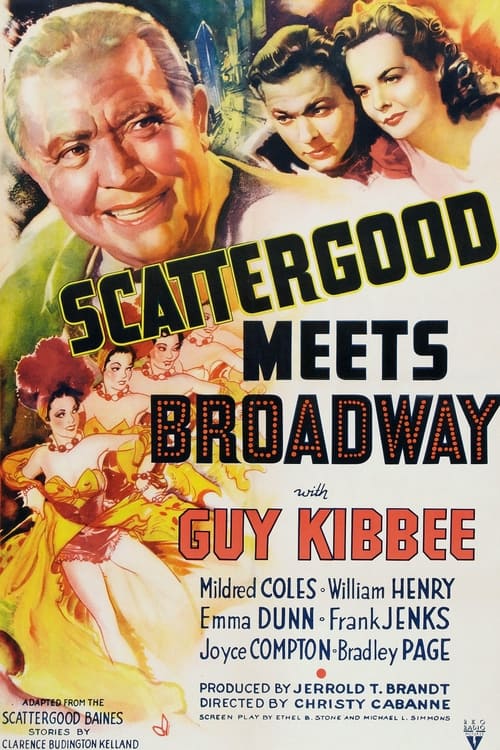
1941
1944
1939
No reviews yet. Be the first to share your thoughts on this movie!
Use the rating form above to leave a star rating and optional review.