The Big Noise
1944
No user ratings available yet
Representation score: 3.3 out of 10
Representation Score
Minimal
1943
NRDirector
Malcolm St. Clair
Runtime
75 minutes
Average Rating
No ratings yetNew Showbiz Analysis
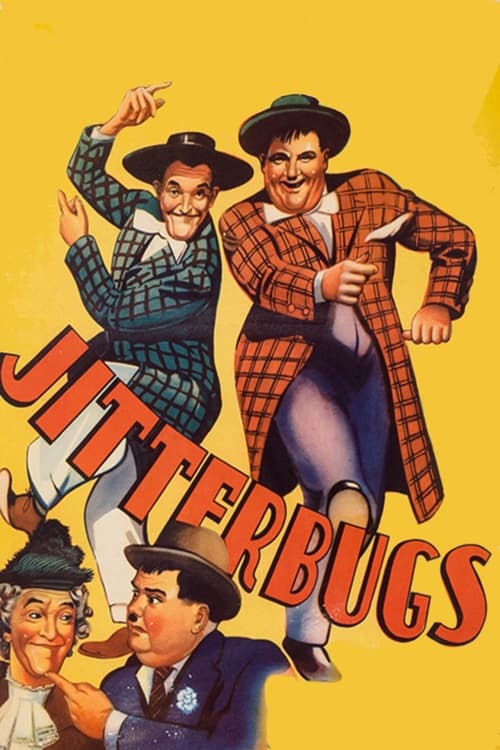
Jitterbugs is a conventional wartime comedy that relies on established archetypes rather than social critique. The narrative structure prioritizes slapstick humor and traditional moral frameworks over complex character development. The film reflects the standard social hierarchies of 1943 Hollywood. It focuses on a restorative plot where protagonists move from a scam to a moral correction, reinforcing the status quo. While the musical references hint at jazz culture, the film lacks evidence of diverse casting or the subversion of racial hierarchies, remaining within the era's mainstream norms.
Category Breakdown
The film does not include any LGBTQ+ characters or narratives. It follows the typical comedic clichés of 1943, focusing on conventional romantic interests.
A young woman serves as the central motivation for the plot, but she mainly acts as a catalyst for the male leads. The film reinforces traditional wartime gender roles.
Although the title refers to jazz subcultures, there is no evidence of a non-white cast. The film seems to adhere to the homogeneous casting standards of the time.
The story reinforces conventional morality through a 'side of the angels' arc. It upholds traditional social structures and patriotic wartime values.
There is no information regarding the depiction of physical or neurodivergent characters in this work.
Present on Screen
Limited or Absent
Official Synopsis
The two-man Laurel and Hardy Zoot Suit Band find themselves fronting a scam for "gasolene pills" in wartime oil-short America. They are however soon on the side of the angels helping recover $10,000 for an attractive young lady whose family have themselves been swindled.
1944
1946
1941
1940
1945
1933
1943
1943
No reviews yet. Be the first to share your thoughts on this movie!
Use the rating form above to leave a star rating and optional review.