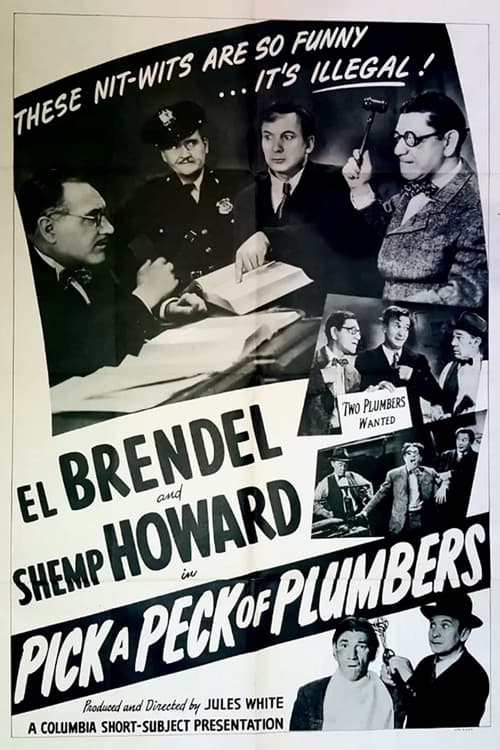
Pick a Peck of Plumbers
1944
No user ratings available yet
Representation score: 0.8 out of 10
Representation Score
Minimal
1940
ApprovedDirector
Jules White
Runtime
17 minutes
Average Rating
No ratings yetNew Showbiz Analysis
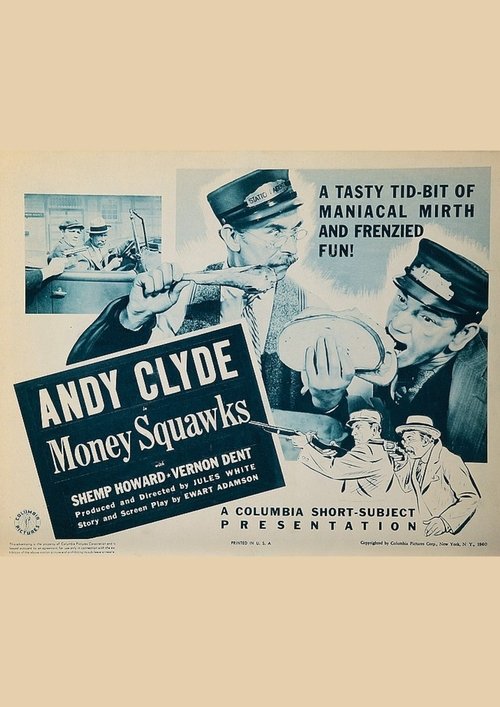
Money Squawks is a product of the early 20th-century slapstick tradition, emphasizing physical comedy over social complexity. The narrative depends on the incompetence of its male leads to create situational irony, offering limited space for diverse perspectives. The film reflects the homogeneous casting and narrow focus on straight relationships typical of 1940s Columbia Pictures shorts. It lacks intentional efforts to include diverse identities and perspectives. Ultimately, the work serves as a period-specific comedy that does not aim to challenge systemic hierarchies or include underrepresented identities.
Category Breakdown
The film does not include any LGBTQ+ characters or stories about non-cisgender identities. It follows the straight-centered social structures typical of 1940s comedies.
The story revolves around two male characters, Andy Clyde and Shemp Howard. While it challenges the idea of masculine competence by showing the men as incompetent, there is no strong presence of female characters or their influence.
The narrative seems to focus on a predominantly white cast. There is no indication of a diverse cast or the inclusion of non-white characters.
Set in a traditional Western railroad setting, the film emphasizes the protection of capital through slapstick humor. It does not critique Western institutions but rather relies on familiar comedic formulas.
There is no evidence of the depiction of physical or neurodivergent disabilities in this production.
Present on Screen
Limited or Absent
Official Synopsis
Andy Clyde and Shemp Howard are station agents for the railroad. Their job is to defend against robberies but neither seems capable of doing anything but trouble. Through the course of the story, they shoot at some innocent hunters, are terrorized by a duck AND end up GIVING the money to the crooks by mistake. Can Andy and Shemp somehow redeem themselves?
1944
1940
1953
1937
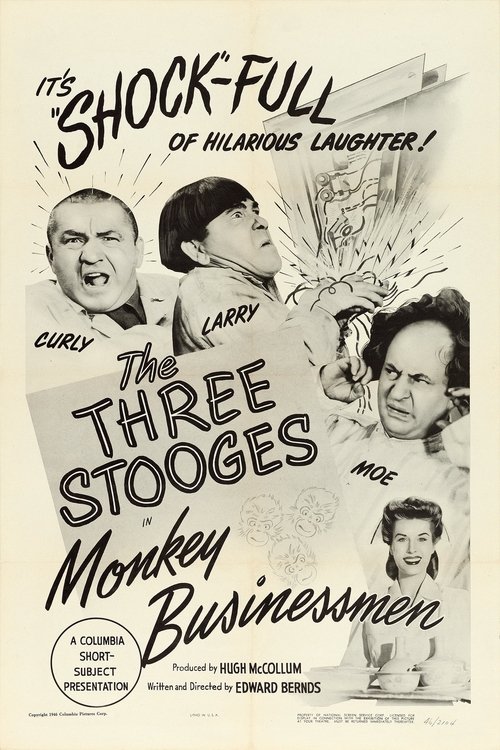
1946
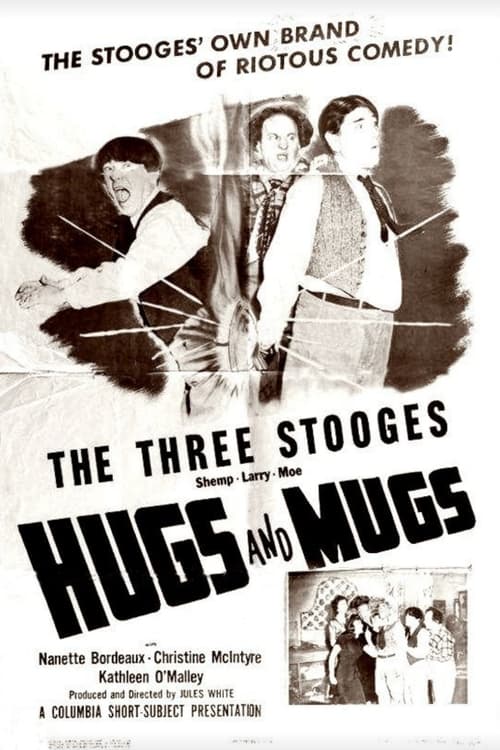
1950
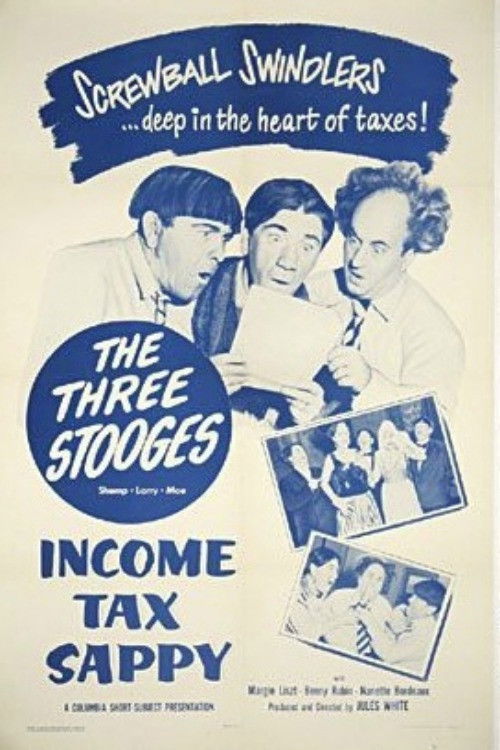
1954
1953
No reviews yet. Be the first to share your thoughts on this movie!
Use the rating form above to leave a star rating and optional review.