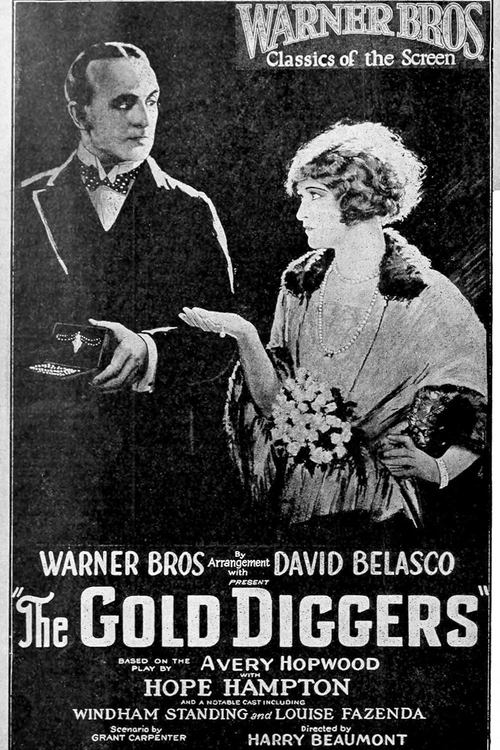
The Gold Diggers
1923
No user ratings available yet
Representation score: 1.4 out of 10

Representation Score
Minimal
1936
ApprovedDirector
William C. McGann
Runtime
62 minutes
Average Rating
No ratings yetNew Showbiz Analysis
Times Square Playboy is a typical comedy from the 1930s that adheres to the social norms of its time. The narrative structure prioritizes conventional romantic clichés and the preservation of financial stability over any progressive social changes. The film reinforces traditional social hierarchies, especially through its focus on class conflict and the suspicion of social climbers. It lacks the complexity needed to challenge the norms of its era. Ultimately, the film serves as a standard screwball comedy that upholds the status quo of its time rather than offering diverse or subversive perspectives.
Category Breakdown
The film focuses on a typical heterosexual relationship between a bride-to-be and a stockbroker. There is no representation of LGBTQ+ identities or critiques of traditional romantic structures.
The movie uses the 'gold-digger' stereotype to portray female ambition with suspicion. Despite having ability to act, the female lead's motivations are primarily judged by male characters.
The film follows the casting practices of 1930s Hollywood, focusing on Western social classes and lacking diverse, non-Anglo-Saxon representation.
The story emphasizes social stability and the protection of wealth. It reinforces traditional Western values regarding class boundaries and the sanctity of marriage contracts.
There is no indication of characters with visible or invisible disabilities in the available plot details.
Present on Screen
Limited or Absent
Official Synopsis
A stock broker's small-town best friend thinks the bride-to-be and her family are gold-diggers so he does everything he can to prevent the wedding.
1923

1942
1939

1936
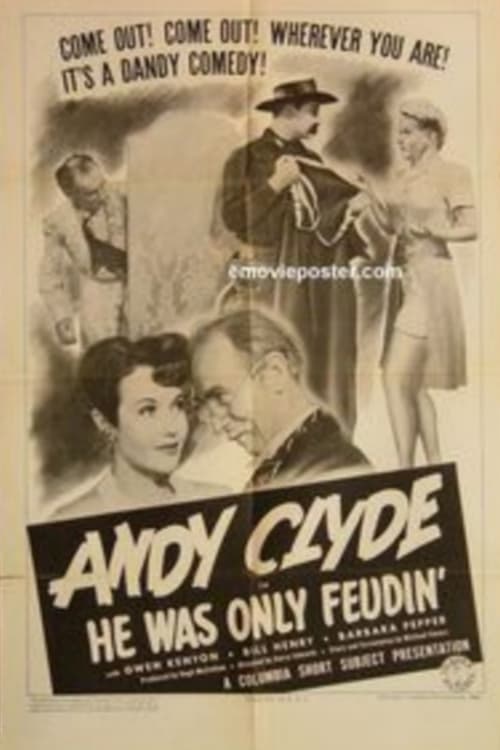
1943

1941
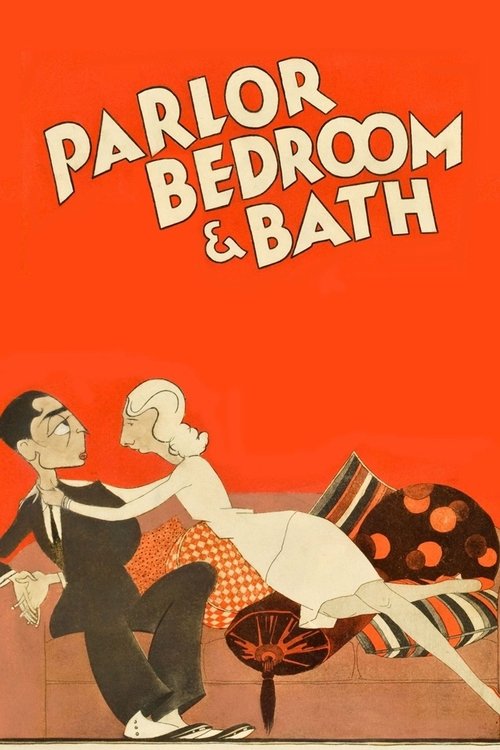
1931
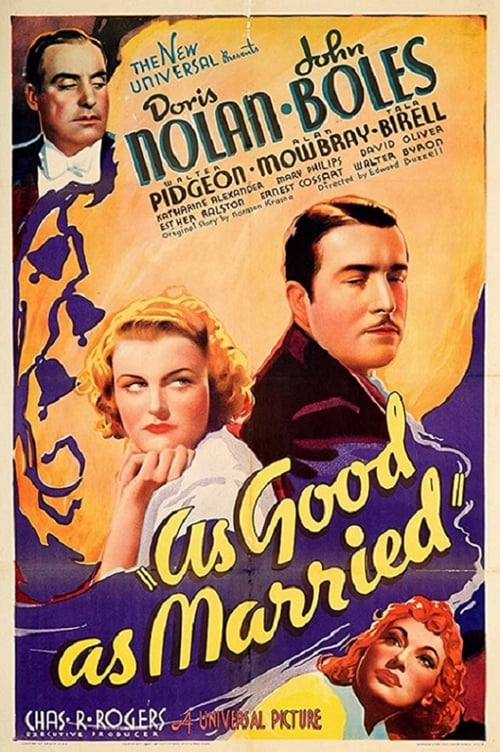
1937
No reviews yet. Be the first to share your thoughts on this movie!
Use the rating form above to leave a star rating and optional review.