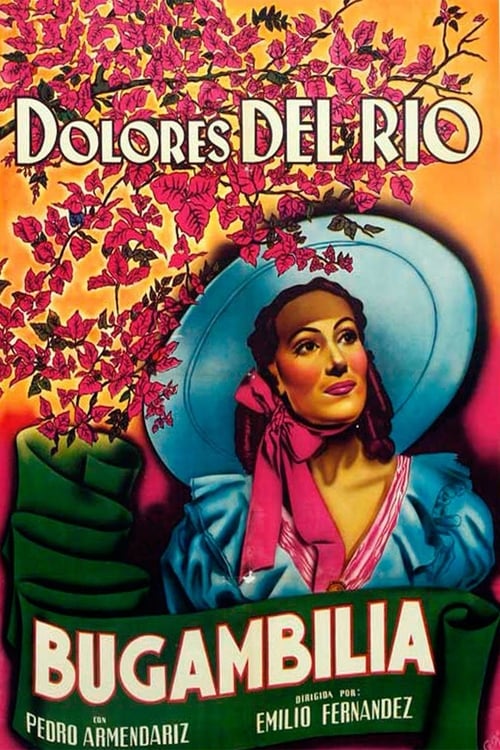
Bugambilia
1945
No user ratings available yet
Representation score: 2.1 out of 10
Representation Score
Limited
1944
ApprovedDirector
Emilio Fernández
Runtime
102 minutes
Average Rating
No ratings yetNew Showbiz Analysis
Emilio Fernandez's work is a cornerstone of the Golden Age of Mexican cinema, particularly through the lens of Indigenismo. By centering indigenous-coded characters, the film elevates the underrepresented peasantry to mythic importance, providing a powerful disruption of the era's Eurocentric cinematic norms. While the film excels in ethnic representation, it remains tied to the social hierarchies of its time. The female protagonist is often scrutinized by the community rather than disrupting gendered power structures, and the romantic structure adheres to strict straight-centered expectations. Ultimately, the film's strength lies in its portrayal of the village's social cohesion as a destructive force, offering a sophisticated critique of traditional social institutions.
Category Breakdown
The film follows a traditional romantic framework and does not include any non-cisgender identities or same-sex intimacy.
Maria Candelaria is portrayed through a tragic feminine lens, with her role constrained by her social status. The story reinforces traditional moral binaries regarding female virtue.
This landmark film centers indigenous identities and the experiences of rural farmers. It challenges Eurocentric standards by mythologizing Mexican identity through a non-Anglo-Saxon cast.
The narrative critiques communal hypocrisy and social vigilantism. However, the setting remains rooted in a pre-modern, traditionalist framework.
There are no prominent depictions of physical or neurodivergent disabilities impacting the narrative arc.
Present on Screen
Limited or Absent
Official Synopsis
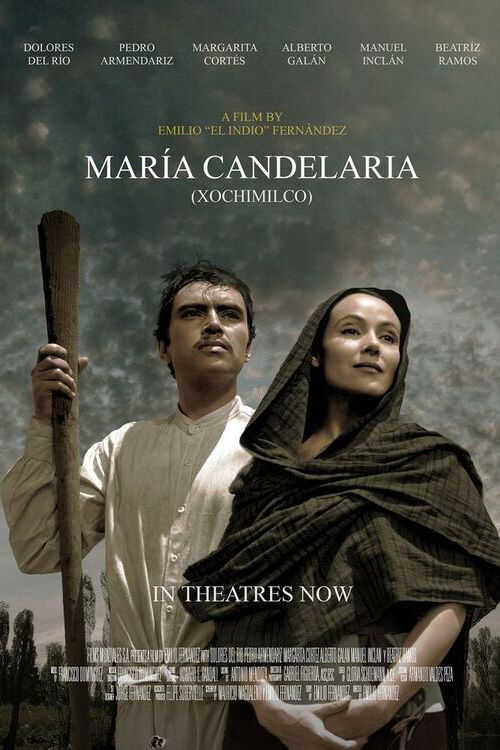
A young journalist asks an old artist about the portrait of a naked Indian woman that he has in his study. The artist tells the story of Maria Candelaria, a young Indian woman who was rejected by her own people for being the daughter of a prostitute. She is protected by a young Indian man, Lorenzo Rafael, who has fallen in love with her.
1945
1965
1948
1945
1945
1948
1946
1931
No reviews yet. Be the first to share your thoughts on this movie!
Use the rating form above to leave a star rating and optional review.