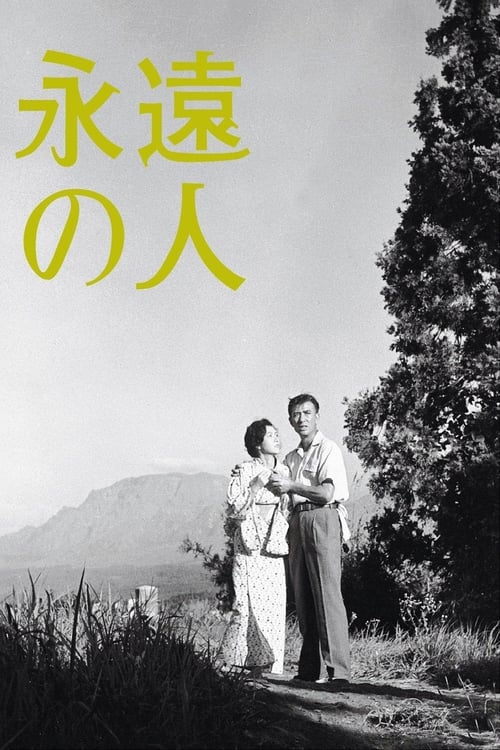
Immortal Love
1961
No user ratings available yet
Representation score: 2.3 out of 10
Representation Score
Fair
1965
Director
Sergei Parajanov
Runtime
96 minutes
Average Rating
No ratings yetNew Showbiz Analysis
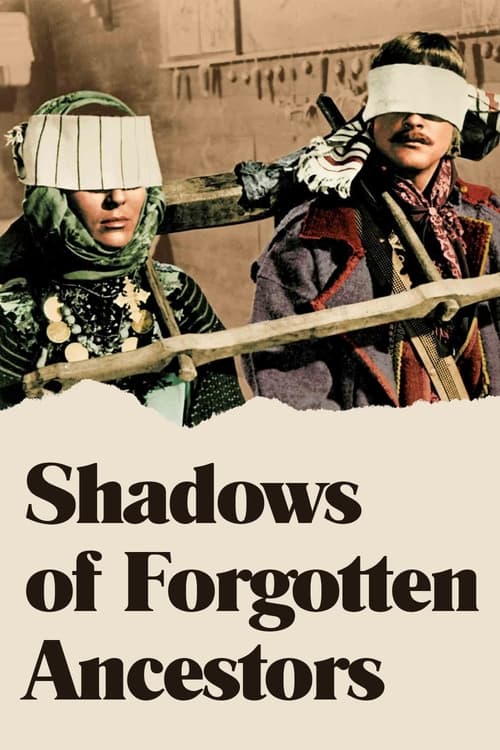
Sergei Parajanov’s masterpiece functions as a cinematic reclamation of Hutsul culture. By centering indigenous rituals and ethnographic authenticity, the film successfully challenges dominant imperial narratives and celebrates a specific, localized heritage. While the film does not engage with contemporary identity politics regarding gender or sexuality, it disrupts conventional storytelling by elevating a underrepresented ethnic identity to the level of universal myth. The focus remains on the tension between individual passion and communal tradition. Ultimately, the film's strength lies in its poetic preservation of a non-Western social structure, providing a nuanced look at a culture often erased by broader historical discourses.
Category Breakdown
The film focuses on a traditional, tragic romance between Ivan and Marichka. There are no queer subtexts or non-cisgender identities presented within this ethnographic framework.
Marichka serves as the emotional and visual focal point of the story. Although her ability to act is limited by her tragic fate, she holds significant symbolic power.
This work is a profound celebration of Hutsul identity. It uses authentic costumes and rituals to reclaim an ethnic heritage often sidelined by imperial narratives.
The narrative emphasizes folk spirituality and communal rituals over state-driven morality. It explores the tension between individual desires and the weight of ancestral traditions.
The film explores human suffering and physical tragedy, but lacks specific depictions of neurodivergence or physical disabilities as central character traits.
Present on Screen
Limited or Absent
Official Synopsis
In the Carpathian Mountains of 19th-century Ukraine, love, hate, life and death among the Hutsul people are as they’ve been since time began. Ivan is drawn to Marichka, the beautiful young daughter of the man who killed his father. But fate tragically decrees that the two lovers will remain apart.
1961
1948
1967
1951

1959
1964
1964
1971
No reviews yet. Be the first to share your thoughts on this movie!
Use the rating form above to leave a star rating and optional review.