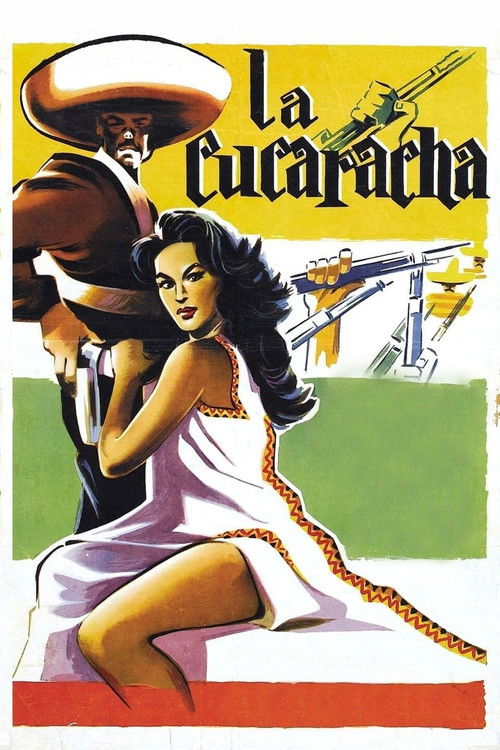
La Cucaracha
1959
No user ratings available yet
Representation score: 3.3 out of 10

Representation Score
Fair
1946
PGDirector
Emilio Fernández
Runtime
99 minutes
Average Rating
No ratings yetNew Showbiz Analysis
Enamorada is a key exploration of the tension between established social hierarchies and the disruptive forces of the Mexican Revolution. It succeeds by highlighting a Mestizo identity and challenging the rigid socioeconomic order of the landed aristocracy. While the film lacks any LGBTQ+ representation, it portrays a strong sense of women's ability to drive the story. Beatriz Peñafiel drives the plot with notable autonomy, navigating complex power dynamics. The film's strength lies in its cultural critique and its visual emphasis on Mexican identity. It effectively uses the revolutionary setting to question traditional class structures and explore evolving moralities.
Category Breakdown
The film assumes everyone is straight or cisgender. The main conflict revolves around romantic desires and competition for a woman's affection.
Beatriz Peñafiel plays a significant role in driving the story. She navigates power struggles with an independence that challenges traditional gender roles.
The film highlights a Mestizo identity, moving away from Eurocentric standards. It emphasizes indigenous and mixed heritage aesthetics as a symbol of national pride.
The story critiques the landed aristocracy and the oppressive structures of the old class system. It examines the tension between religious traditions and revolutionary ideals.
There are no prominent depictions of physical or neurodivergent disabilities used as central plot devices or character traits.
Present on Screen
Limited or Absent
Official Synopsis
In Mexican Revolution times, a guerrilla general and his troops take the conservative town of Cholula, near by Mexico City. As the revolutionaries mistreat the town's riches, General Reyes falls for beautiful and wild Beatriz Peñafiel, the daughter of one of the town's richest men.
1959
1943
1938
1943
1976
1950

1951
1950
No reviews yet. Be the first to share your thoughts on this movie!
Use the rating form above to leave a star rating and optional review.