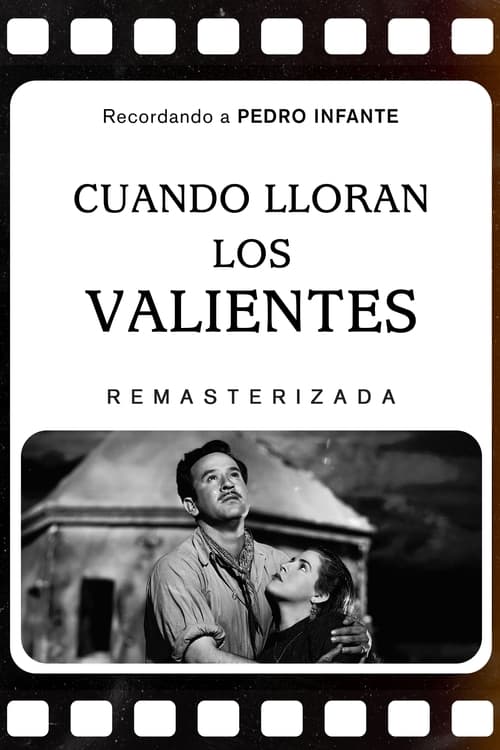
When the Brave Cry
1947
No user ratings available yet
Diversity score: 5.6 out of 10

1957
Director
Ismael Rodríguez
Runtime
109 minutes
Average Rating
No ratings yetSynopsis
An Indian arouses envy for his expertise in hunting animals without ruining their skins, for his wisdom and his kindness.
Overall Score
Fair
Category Breakdown
LGBTQ+ Representation
The film lacks LGBTQ+ characters or non-heteronormative identities. The romantic plot follows a strictly traditional heterosexual framework centered on the courtship between Tizoc and María.
Gender Representation
The film follows mid-century melodramatic conventions. While María shows emotional agency, she is constrained by class expectations, and Tizoc embodies traditional nobility and self-sacrifice.
Racial & Ethnic Diversity
The narrative centers an indigenous protagonist, disrupting Eurocentric hierarchies. The plot explores the systemic barriers and tensions faced by indigenous populations within the Mexican social fabric.
Religious & Cultural Diversity
The story critiques rigid class structures and the perceived superiority of the elite. It maintains the moral and religious undertones typical of 1950s Mexican cinema.
Disability Representation
There is no significant evidence regarding the portrayal of physical or neurodivergent disabilities in the narrative.
Strengths
Areas for Improvement
AI Analysis
Tizoc stands as a significant historical work that disrupts period-specific social hierarchies by centering an indigenous man in a high-stakes romantic melodrama. This choice provides a meaningful departure from the Eurocentric standards common in global cinema of the 1950s. However, the film remains deeply anchored in the traditional gender roles and moral frameworks of its era. While it offers a nuanced critique of class and ethnic identity, it does not subvert the patriarchal archetypes or the religious structures of the time. The resulting score reflects a film that is progressive in its ethnic centering and class critique, yet remains conservative in its gender dynamics and social morality.
1947
1944
1948
1983
1951
1965

1993
1975
1960
1972
1945
1961
No reviews yet. Be the first to share your thoughts on this movie!
Use the rating form above to leave a star rating and optional review.