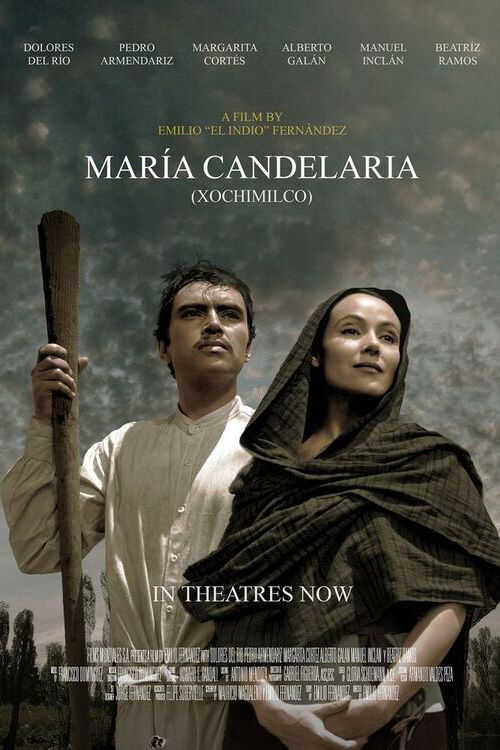
Maria Candelaria
1944
No user ratings available yet
Representation score: 2.7 out of 10

Representation Score
Limited
1945
Director
Emilio Fernández
Runtime
105 minutes
Average Rating
No ratings yetNew Showbiz Analysis
Bugambilia exemplifies mid-century nationalistic melodrama, providing ethnic authenticity by centering Mexican identities and local socioeconomic struggles. However, the film remains deeply conservative, adhering to traditional hierarchies and gendered emotionality. It uses the tragic romance genre to explore tensions between individual passion and the established social order, rather than challenging it.
Category Breakdown
The film follows traditional 1940s melodrama structures and lacks any representation of LGBTQ+ identities or narratives that challenge straight-centered assumptions. It focuses on a conventional heterosexual romance.
Amalia’s influence as an heiress is limited, as she has little control over her fate within the tragic storyline. The relationship between Ricardo and Amalia upholds traditional class and gender roles.
The film features a predominantly Mexican cast, highlighting indigenous and mestizo social strata. This provides a strong sense of regional authenticity for its time.
The story explores class mobility and the consequences of social transgressions within traditional socioeconomic structures. It does not offer secularist or anti-capitalist critiques.
The film does not depict any visible or invisible disabilities. The narrative focuses on interpersonal romance and class dynamics without addressing lived experiences of impairment.
Present on Screen
Limited or Absent
Official Synopsis
In mid-nineteenth century Guanajuato, the beauty and charm of the young heiress Amalia conquers the lowly foreman Ricardo with fatal results. Prevented from consummating their love, Ricardo is going to Guanajuato where again later become the rich owner of a mine. On his return, fate has prepared a tragic encounter with Amalia.
1944
1964
1958

1972
1949
1948

1946

1953
No reviews yet. Be the first to share your thoughts on this movie!
Use the rating form above to leave a star rating and optional review.