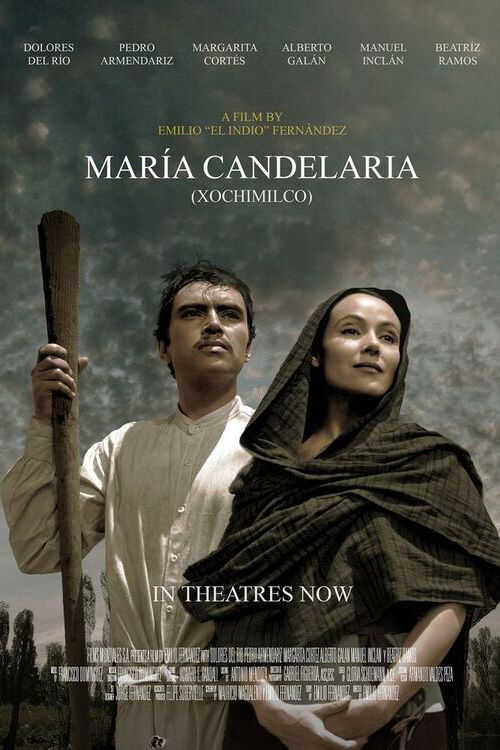
Maria Candelaria
1944
No user ratings available yet
Representation score: 2.7 out of 10
Representation Score
Limited
1948
TV-PGDirector
Emilio Fernández
Runtime
105 minutes
Average Rating
No ratings yetNew Showbiz Analysis
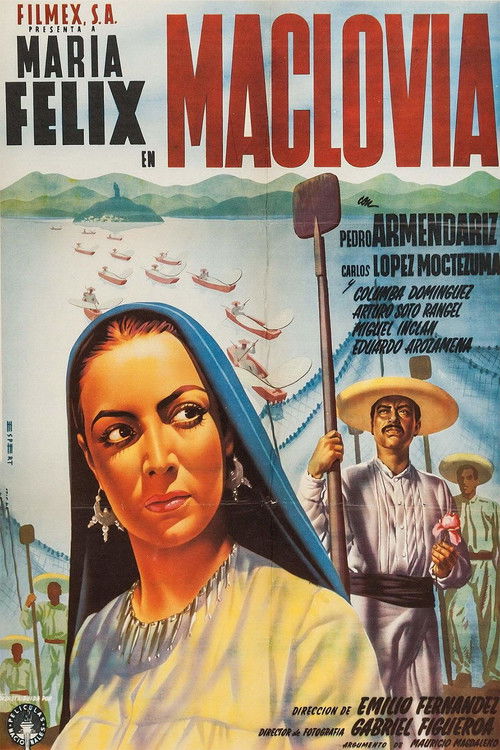
Maclovia stands as a landmark of cultural reclamation, specifically through its commitment to Indigenismo. By centering indigenous aesthetics and Mexican national identity, the film disrupts the Eurocentric cinematic norms of the 1940s. However, the film remains tied to the era's traditional gender hierarchies. While the female protagonist is central to the emotional arc, her ability to navigate her own destiny is limited by socioeconomic and patriarchal constraints. Ultimately, the work is a study of individual struggle against systemic social pressures. It achieves high distinction in ethnic representation while remaining limited by its adherence to traditional moral and gender frameworks.
Category Breakdown
The film follows a traditional romantic melodrama structure. It lacks any depiction of non-straight relationships or same-sex intimacy.
Maclovia serves as the emotional center of the story, yet her role is limited by patriarchal social structures. Her choices are often reactive to pressures from males and family hierarchies.
The film excels by centering indigenous and mestizo identities. It avoids Eurocentric norms by building its narrative around the specific cultural realities of rural Mexico.
The story is deeply embedded in traditional Mexican communal and religious structures. It explores the tension between individual desires and the weight of rigid social institutions.
There is no significant depiction of visible or invisible disabilities that drive the narrative or serve as central character elements.
Present on Screen
Limited or Absent
Official Synopsis
On a small Mexican island dwells a group of Indians who live in the traditional manner and who disdain outsiders. The beautiful Maclovia and the poverty-stricken Jose Maria are in love, but her father refuses to allow their marriage, or even any communication between them, due to Jose Maria's lack of means.
1944
2002
1945
1931
1949

1955
1942
1951
No reviews yet. Be the first to share your thoughts on this movie!
Use the rating form above to leave a star rating and optional review.