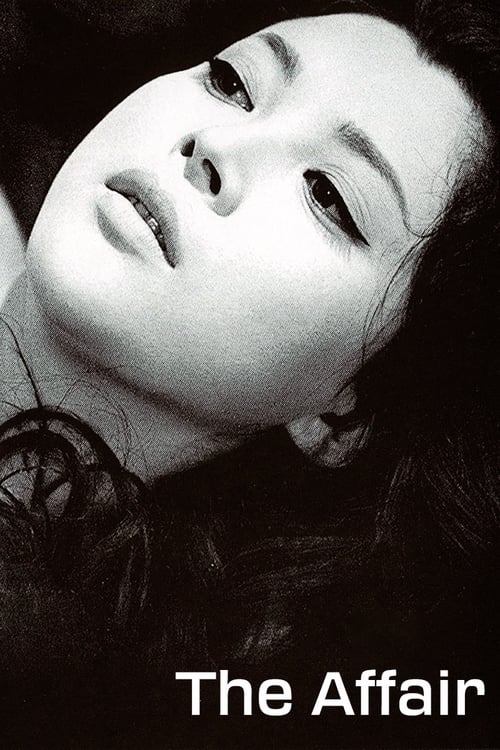
The Affair
1967
No user ratings available yet
Representation score: 6.4 out of 10
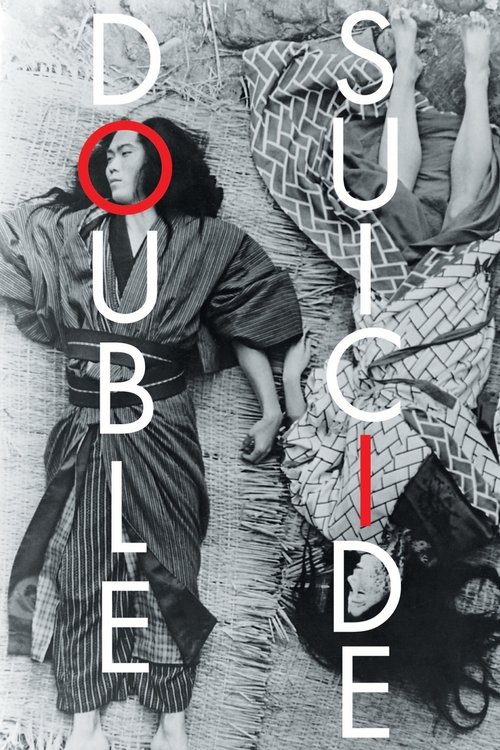
Representation Score
Fair
1969
Not RatedDirector
Masahiro Shinoda
Runtime
105 minutes
Average Rating
No ratings yetNew Showbiz Analysis
Masahiro Shinoda’s film is a sophisticated deconstruction of historical social structures. It uses stylized, non-naturalistic staging to highlight the conflict between individual ability to act and oppressive cultural duties. Though the film lacks modern identity politics or LGBTQ+ narratives, it effectively challenges traditional authority through its formalist aesthetic. The use of bunraku traditions ensures a culturally specific, non-Western perspective. The work's strength lies in its portrayal of the oppressive weight of patriarchal obligations and social codes on its characters.
Category Breakdown
The film focuses on a traditional romance between Jihei and Koharu, with no depiction of LGBTQ+ identities or same-sex relationships.
The narrative critiques the rigid gender roles of the Edo period. Despite starting within a system that commodifies women, Koharu maintains a significant role in driving the story.
Set in 18th-century Japan, the film provides a culturally authentic perspective. It avoids a Western viewpoint by using the bunraku puppet theater style.
The story examines the tension between social duty and personal passion. It criticizes feudal social codes that stifle genuine human connections.
The film does not include characters with visible or invisible disabilities.
Present on Screen
Limited or Absent
Official Synopsis
Successful and married with children, paper-mill owner Jihei knows better than to contradict the strict social and moral codes of 18th-century Japan. But when he meets the lovely courtesan Koharu, he becomes a man obsessed. Koharu returns his love, even foregoing other customers while Jihei schemes to somehow buy her freedom. His efforts yield ruinous consequences for his business and his family life, and Koharu is meanwhile purchased by another client.
1967

1954

2014
1951
1981
1967
1951
2016
No reviews yet. Be the first to share your thoughts on this movie!
Use the rating form above to leave a star rating and optional review.