Jules and Jim
1962
No user ratings available yet
Representation score: 4.9 out of 10
Representation Score
Fair
1951
ApprovedDirector
Jean Renoir
Runtime
99 minutes
Average Rating
No ratings yetNew Showbiz Analysis
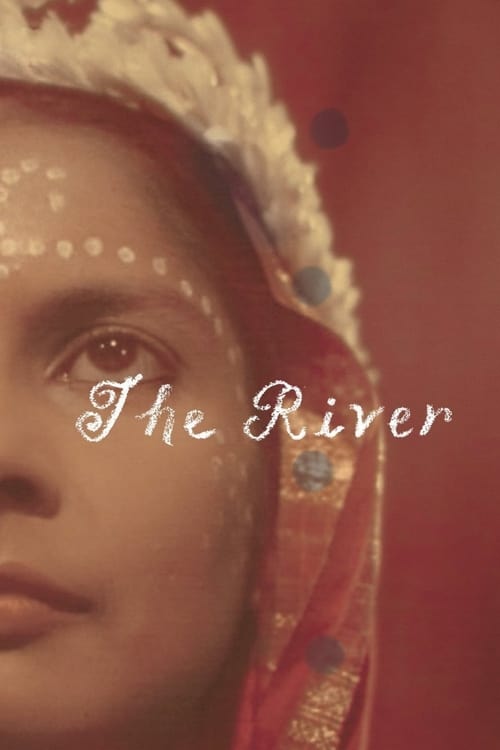
Jean Renoir’s *The River* stands out for its commitment to observational realism and authentic cultural representation. By filming on location in India with a largely indigenous cast, the film avoids the exoticized, colonialist clichés common in 1950s Western cinema. The film’s strength lies in its subversion of Western-centric storytelling. It replaces linear progress with a fatalistic, nature-driven worldview, centering the lived experiences of its local characters rather than a tourist perspective. While the film adheres to the assumption that everyone is straight or cisgender, it disrupts traditional hierarchies by prioritizing female subjectivity and local cultural rhythms over Hollywood conventions.
Category Breakdown
The film focuses on traditional family bonds and the cyclical nature of life in a rural setting. There are no representations of LGBTQ+ identities or non-binary gender expressions.
The narrative centers the emotional journeys of three young women. Their roles are defined by their intellectual engagement and navigation of family changes rather than traditional submissive roles.
By using an Indian cast and filming on location in Bengal, the film avoids orientalist clichés. This approach treats the local population as central characters in their own reality.
The story embraces a cyclical view of existence influenced by the Ganges. It prioritizes communal survival and situational ethics over Western industrial or individualistic paradigms.
There are no prominent depictions of visible or invisible disabilities that serve as central character traits or drive the narrative.
Present on Screen
Limited or Absent
Official Synopsis
Director Jean Renoir’s entrancing first color feature—shot entirely on location in India—is a visual tour de force. Based on the novel by Rumer Godden, the film eloquently contrasts the growing pains of three young women with the immutability of the Bengal river around which their daily lives unfold. Enriched by Renoir’s subtle understanding and appreciation for India and its people, The River gracefully explores the fragile connections between transitory emotions and everlasting creation.
1962
1956
2000
1965
1955

1960
1992

1933
No reviews yet. Be the first to share your thoughts on this movie!
Use the rating form above to leave a star rating and optional review.