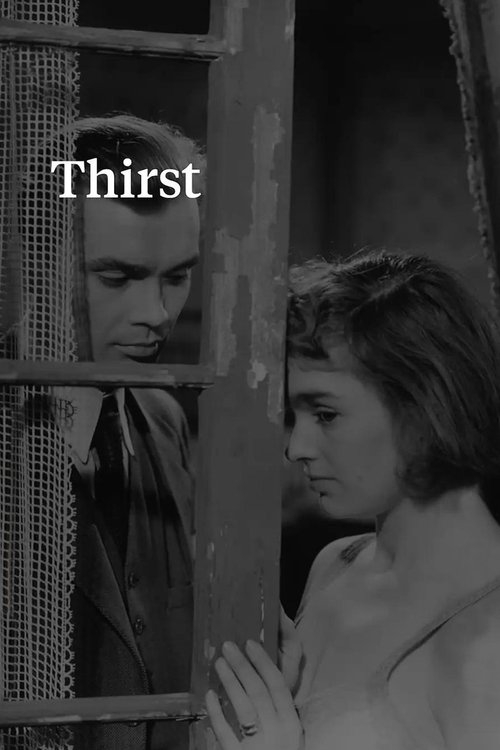
Thirst
1949
No user ratings available yet
Representation score: 5.1 out of 10

Representation Score
Good
1953
Not RatedDirector
Ingmar Bergman
Runtime
93 minutes
Average Rating
No ratings yetNew Showbiz Analysis
Bergman’s work excels at deconstructing social structures and traditional morality. By focusing on the psychological depth of its characters, the film moves beyond mid-century clichés to explore human fragility and existentialism. While the film provides a sophisticated look at gender dynamics and moral relativism, it remains limited by the era's demographic casting. The lack of racial diversity and explicit queer identities keeps the score moderate. Ultimately, the film's strength lies in its ability to treat emotional and psychological distress as central, humanizing elements rather than mere plot devices.
Category Breakdown
The film explores a complex romantic relationship involving a ringmaster, his wife, and his lover. However, it does not explicitly include non-cisgender identities or queer-coded subtext.
Women are portrayed who play a significant role in driving the story and intellectual autonomy rather than as passive stereotypes. The narrative centers their emotional labor and psychological complexity within the circus troupe.
The casting reflects the demographic realities of a mid-century European circus. The ensemble remains relatively homogeneous without diverse ethnic representation.
The circus serves as a metaphor for a nomadic social unit existing on society's periphery. The film prioritizes subjective morality and existential isolation over religious duty.
There are no overt depictions of physical or neurodivergent disabilities. Instead, the film offers a nuanced look at invisible psychological struggles and profound emotional isolation.
Present on Screen
Limited or Absent
Official Synopsis
A number of complicated relationships develop between a circus ringmaster, his estranged wife and his lover.
1949

1946

1962

1953

1953

1952

1951

1956
No reviews yet. Be the first to share your thoughts on this movie!
Use the rating form above to leave a star rating and optional review.