
The Girls
1968
No user ratings available yet
Representation score: 5.5 out of 10
Representation Score
Good
1952
Not RatedDirector
Ingmar Bergman
Runtime
104 minutes
Average Rating
No ratings yetNew Showbiz Analysis
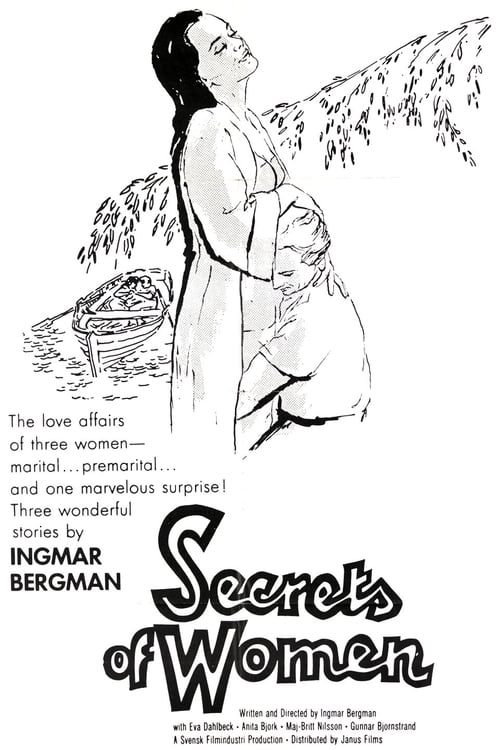
Waiting Women is a significant piece of narrative architecture that challenges mid-20th-century domestic clichés. By centering the plot on the shared experiences of four women, the film successfully challenges patriarchal power dynamics, making the men subjects of discussion rather than drivers of action. The film excels in its psychological depth and its ability to deconstruct the traditional family unit. It replaces rigid moralism with a complex exploration of human connection and female interiority. However, the work is limited by the demographic homogeneity of its era. It lacks racial diversity and provides no explicit evidence of LGBTQ+ identities, functioning instead within a culturally specific, localized framework.
Category Breakdown
The film focuses on marriages to men, offering little overt evidence of non-straight identities. However, Bergman's style often uses subtle tensions between same-gender characters to explore desire.
The narrative disrupts traditional hierarchies by centering entirely on women's roles. By pushing men to the periphery, the film positions women as the primary architects of meaning and social critique.
Reflecting the 1952 Swedish production context, the film appears demographically homogeneous. There is no evidence of a non-Anglo-Saxon majority cast or race-bent casting within this localized framework.
The film utilizes moral relativism by presenting diverse perspectives on domestic life. It likely critiques institutionalized structures, treating the family unit as a site of psychological complexity.
While no physical disabilities are explicitly noted, the film likely integrates psychological fragility and emotional trauma. Bergman often uses neurosis to drive nuanced character arcs.
Present on Screen
Limited or Absent
Official Synopsis
The four wives of four brothers share stories of their marriages as they wait for their husbands in a small, secluded cottage.
1968
1960
1995

1953
1964
1939
1954
1949
No reviews yet. Be the first to share your thoughts on this movie!
Use the rating form above to leave a star rating and optional review.