
Sawdust and Tinsel
1953
No user ratings available yet
Representation score: 6.6 out of 10
Representation Score
Fair
1949
Not RatedDirector
Ingmar Bergman
Runtime
85 minutes
Average Rating
No ratings yetNew Showbiz Analysis
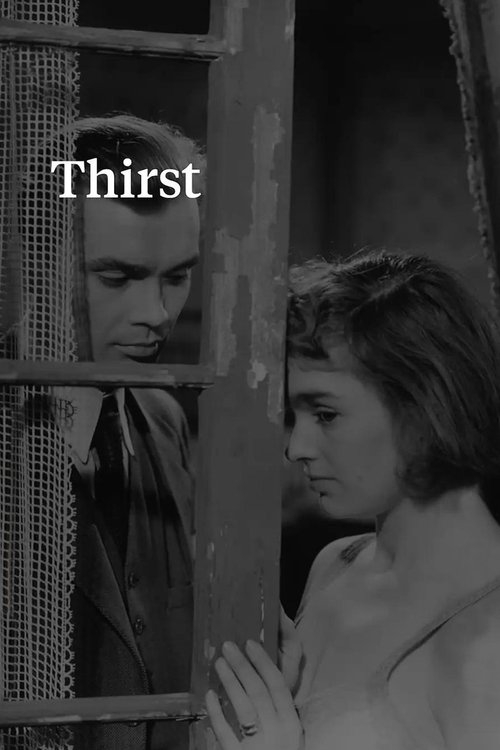
Thirst is a psychological study that emphasizes existential depth over demographic diversity. While it fails to represent diverse racial or LGBTQ+ identities, it successfully deconstructs traditional social institutions like the family and organized religion. The film's strength lies in its subversion of traditional gender roles, particularly around maternal influence. However, it remains limited by its historical context and its tendency to use psychological distress as a narrative symbol rather than a lived experience. Ultimately, the work is a transitional piece that replaces traditional character archetypes with a complex, morally relative exploration of the individual psyche.
Category Breakdown
The film does not include explicit representations of non-straight or non-cisgender identities. The story focuses on traditional heterosexual families.
The film challenges traditional gender roles by examining the controlling nature of maternal influence. It portrays maternal control as a source of psychological pressure rather than nurturing.
Reflecting the 1949 Swedish setting, the cast is ethnically uniform. There are no non-white characters or engagement with racial diversity.
The film prioritizes existential questions over religious doctrine by exploring the concept of God's silence. It challenges the traditional Western family structure through psychological realism.
The film explores mental health and psychological issues, but these elements serve as existential symbols. Characters have little control over their situations due to their distress.
Present on Screen
Limited or Absent
Official Synopsis
A fractured portrait of desire and isolation, following a failing marriage and parallel stories of emotional entrapment as memories surface during a train journey through postwar Europe. Told through flashbacks and multiple narrative threads, the film signals Ingmar Bergman’s emerging mature style.
1953

1953

1968
1952
1962

1958
1955
1980
No reviews yet. Be the first to share your thoughts on this movie!
Use the rating form above to leave a star rating and optional review.