
Gabrielle
2005
No user ratings available yet
Representation score: 5.1 out of 10
Representation Score
Good
1974
PGDirector
Ingmar Bergman
Runtime
169 minutes
Average Rating
No ratings yetNew Showbiz Analysis
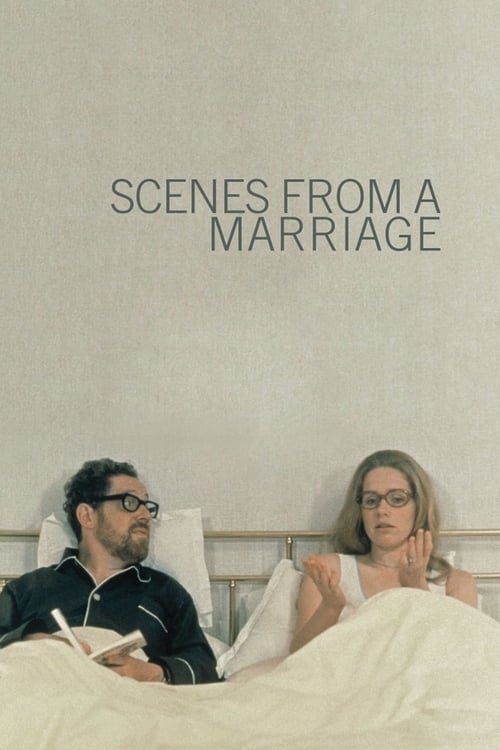
Ingmar Bergman's drama is a profound exploration of the fragility of social contracts and human intimacy through psychological realism. The film challenges traditional gender hierarchies and portrays women as independent agents. However, the work is limited by its historical and geographic setting, resulting in a narrow perspective centered on a specific socioeconomic class.
Category Breakdown
The film focuses solely on heterosexual relationships and does not include any LGBTQ+ identities or perspectives.
Marianne evolves into an independent character, challenging traditional gender roles and male dominance.
The cast is primarily made up of people from similar backgrounds, reflecting the film's 1974 Swedish setting.
The film offers a critical look at Western institutions such as marriage, emphasizing individual psychological authenticity over traditional societal norms.
There are no prominent portrayals of physical or neurodivergent disabilities in the film.
Present on Screen
Limited or Absent
Official Synopsis
Johan and Marianne are married and seem to have it all. Their happiness, however, is a façade for a troubled relationship, which becomes even rockier when Johan admits that he's having an affair. Before long, the spouses separate and move towards finalizing their divorce, but they make attempts at reconciling. Even as they pursue other relationships, Johan and Marianne realize that they have a significant bond, but also many issues that hinder that connection.
2005
1961
1982

1964

1973

2004

1985
1967
No reviews yet. Be the first to share your thoughts on this movie!
Use the rating form above to leave a star rating and optional review.