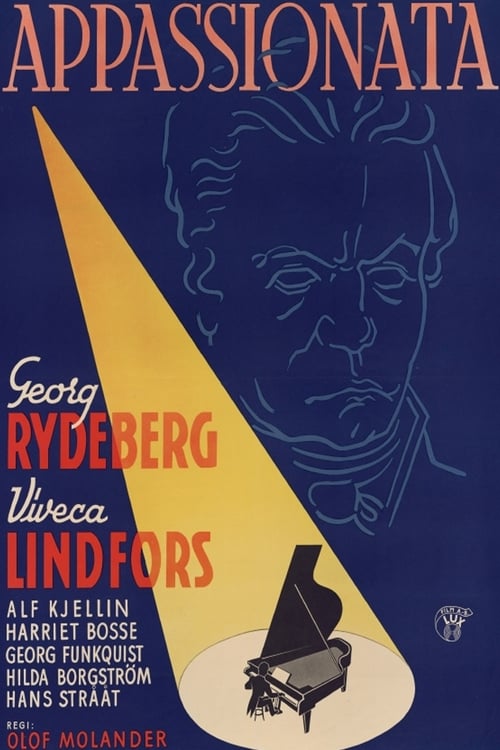
Appassionata
1944
No user ratings available yet
Representation score: 2.5 out of 10

Representation Score
Fair
1950
Not RatedDirector
Ingmar Bergman
Runtime
99 minutes
Average Rating
No ratings yetNew Showbiz Analysis
To Joy is a psychological study that prioritizes existential themes over social commentary. It avoids the didactic moralism common in 1950s cinema by focusing on the subjective truth of individual suffering. While the film lacks modern markers of diversity, it disrupts conventional expectations by centering on the emotional landscapes of its characters. It shifts the focus from external actions to internal vulnerabilities. The work adheres to the demographic norms of its era, particularly concerning race and sexual orientation, yet it offers a nuanced critique of traditional Western institutions.
Category Breakdown
The film follows a traditional mid-century perspective where everyone is assumed to be straight. It doesn't include any stories that question this assumption through LGBTQ+ viewpoints.
The movie gives significant roles to female characters, especially the schoolteacher who feels lonely. It challenges typical male-centric stories by showing the emotional struggles and professional worries of male characters.
The cast is made up of actors from similar ethnic backgrounds, reflecting the production context of 1950s Sweden. The film does not include diverse ethnic representation or use color-blind casting.
The film portrays religious and community structures as sources of existential silence. It highlights individual suffering and moral ambiguity rather than a single, unified morality.
The story focuses on psychological isolation and profound loneliness rather than physical disabilities. These internal struggles are presented as universal human experiences.
Present on Screen
Limited or Absent
Official Synopsis
A young orchestra violinist’s fear of mediocrity and drive for artistic success strain his marriage to a fellow musician. Told largely in flashback and shaped by Beethoven’s Ninth Symphony, the film examines ambition, love, and loss in early Ingmar Bergman.
1944

1951
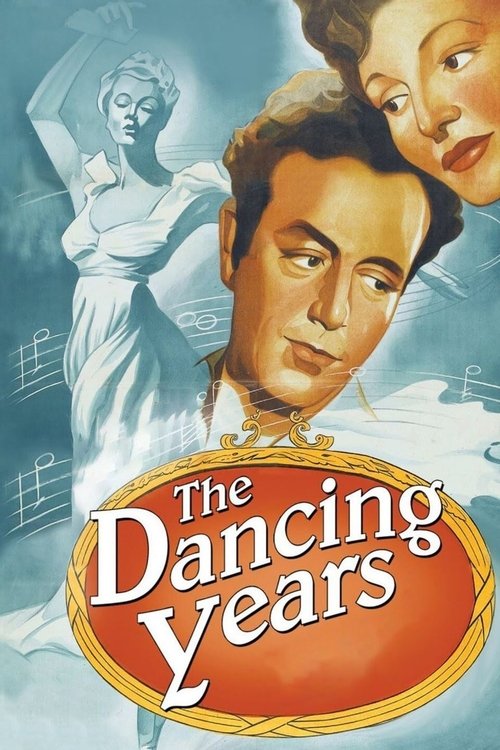
1950
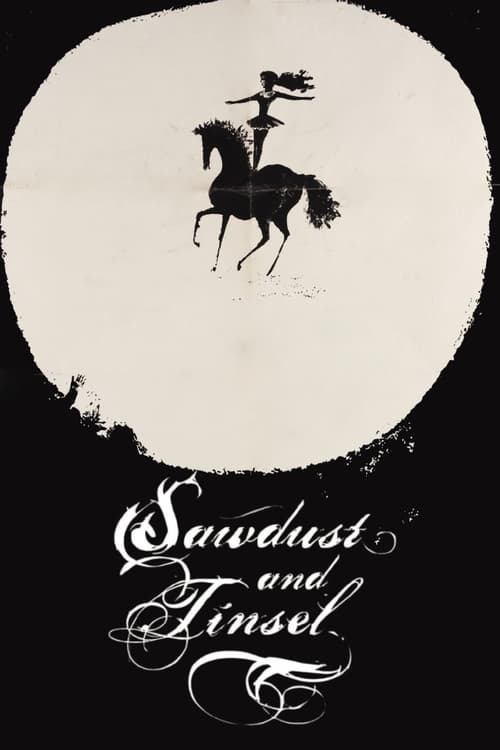
1953
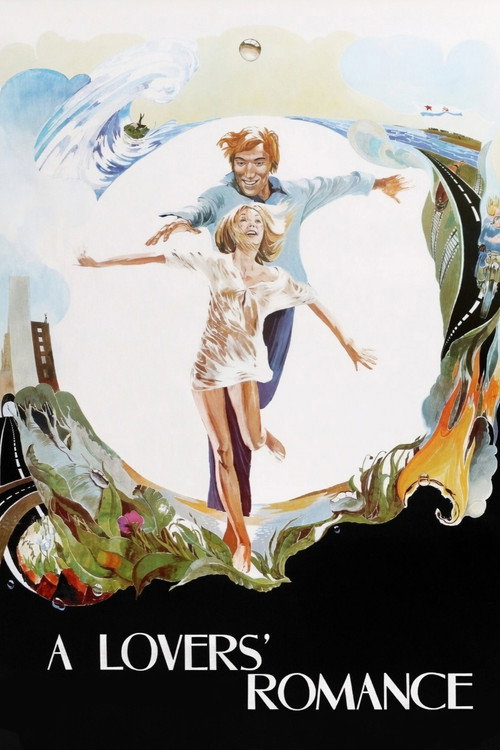
1974
1952

1958
2001
No reviews yet. Be the first to share your thoughts on this movie!
Use the rating form above to leave a star rating and optional review.