
Summer with Monika
1953
No user ratings available yet
Representation score: 3.1 out of 10
Representation Score
Fair
1947
Not RatedDirector
Ingmar Bergman
Runtime
96 minutes
Average Rating
No ratings yetNew Showbiz Analysis
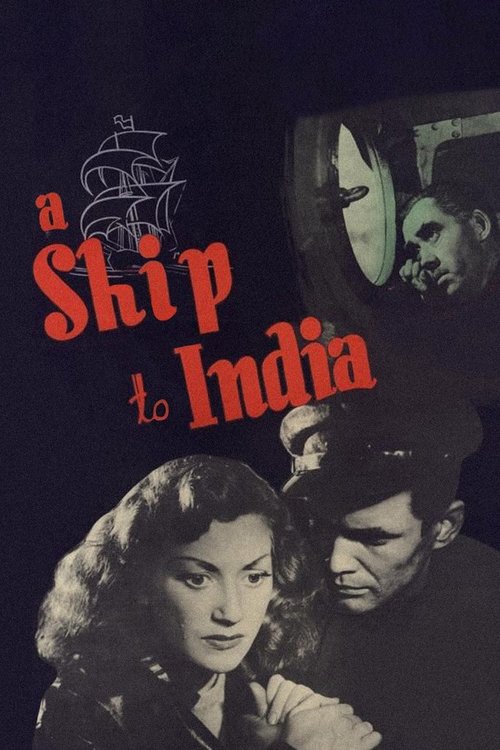
A Ship to India explores the tension between individual ability to act and systemic authority. It moves away from mid-century idealism by focusing on the psychological impact of rigid social structures and dysfunctional family dynamics. The film's strength lies in its deconstruction of the stable Western family unit. By centering on a protagonist's struggle against an abusive patriarch, it prioritizes moral reckoning over traditional social stability. However, the work lacks overt markers of contemporary identity politics. It provides little evidence regarding racial diversity or explicit LGBTQ+ representation, remaining largely focused on internal psychological and familial conflicts.
Category Breakdown
The film does not include any explicit representations of LGBTQ+ identities or narratives. There may be subtle hints of romantic subtext, but no overt queer representation is present.
The story challenges traditional gender roles by depicting the father as an abusive figure instead of a moral authority. This shifts away from typical portrayals of patriarchal dominance.
Despite a maritime setting and title suggesting diverse geographies, there is no confirmation of a non-white cast. The film lacks evidence of racial diversity.
The narrative critiques established social institutions by presenting the family as a site of conflict. It highlights subjective morality and the desire to escape oppressive structures.
There is no mention of characters navigating physical, sensory, or neurodivergent experiences within the narrative.
Present on Screen
Limited or Absent
Official Synopsis
Returning home after seven years at sea, a sailor relives his youth aboard a salvage ship dominated by his abusive father, recalling love, betrayal, and the desire to escape. Told in flashback, the film explores family conflict, longing, and moral reckoning in an early milestone of Ingmar Bergman’s career.
1953

1939

1964

1946

1951
1965

1946

1958
No reviews yet. Be the first to share your thoughts on this movie!
Use the rating form above to leave a star rating and optional review.