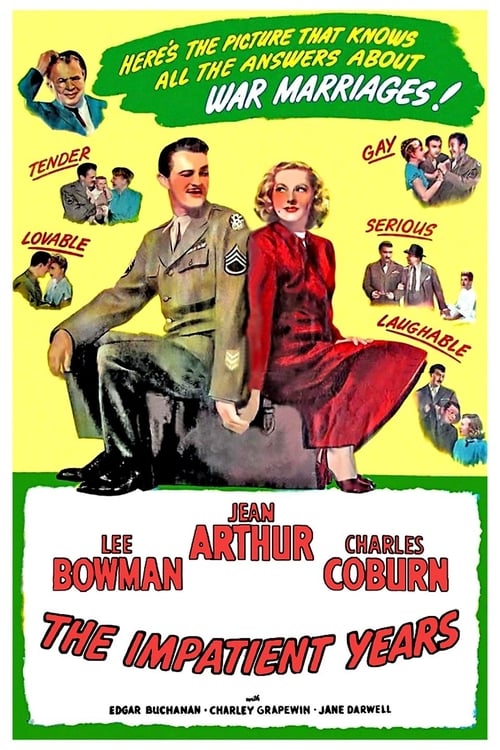
The Impatient Years
1944
No user ratings available yet
Representation score: 0.4 out of 10

Representation Score
Fair
1954
Not RatedDirector
Ingmar Bergman
Runtime
97 minutes
Average Rating
No ratings yetNew Showbiz Analysis
A Lesson in Love redefines the traditional nuclear family by focusing on a fifteen-year marriage marked by mutual infidelity. Ingmar Bergman's film replaces moral absolutes with a nuanced look at human impulses. The movie earns credit for its psychological complexity and its examination of the instability of long-term social contracts. However, the film's 1954 Swedish context limits its demographic range, lacking explicit queer representation and racial diversity.
Category Breakdown
While the film centers on a heterosexual relationship, it subtly critiques rigid expectations of fidelity through its exploration of infidelity.
Both protagonists take active roles in driving the story, challenging traditional gender stereotypes and avoiding clichéd portrayals of submissive wives or stable husbands.
The film features a homogeneous European cast with no apparent racial blending or non-Anglo-Saxon majority casting.
By focusing on psychological realism rather than traditional ideals, the film uses humor to explore complex themes of moral relativism and domestic instability.
The story does not include characters dealing with physical or neurodivergent disabilities.
Present on Screen
Limited or Absent
Official Synopsis
After fifteen years of marriage and mutual infidelity, a couple on the brink of divorce unexpectedly confront their unresolved love during a journey to Copenhagen. Blending farce with emotional reflection, the film is Ingmar Bergman’s first sustained venture into marital comedy.
1944

1974

1957

1951

1955

1971

1960

1963
No reviews yet. Be the first to share your thoughts on this movie!
Use the rating form above to leave a star rating and optional review.