Thirst
1949
No user ratings available yet
Representation score: 5.1 out of 10
Representation Score
Good
1969
Not RatedDirector
Ingmar Bergman
Runtime
72 minutes
Average Rating
No ratings yetNew Showbiz Analysis
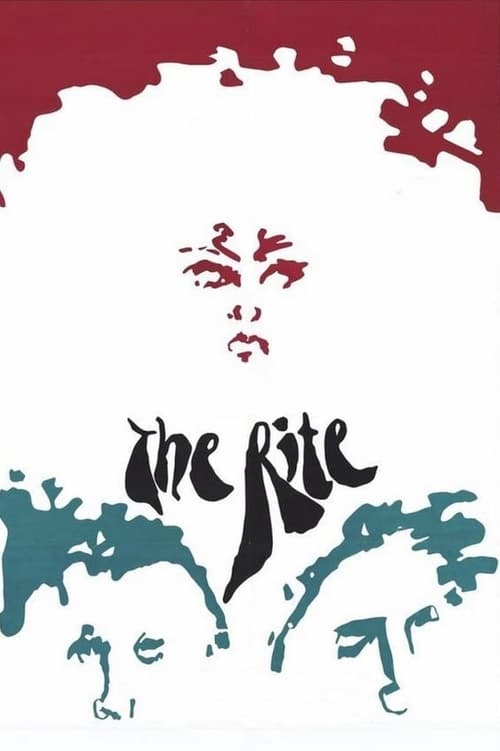
The Rite is a psychological chamber drama that prioritizes the messy reality of human identity over conventional morality. By centering on a theater troupe facing obscenity charges, the film functions as a critique of social and legal conformity. While the film excels at challenging institutional definitions of decency and exploring psychological complexity, it remains limited by the historical and geographic constraints of its era. The narrative structure favors subjective truth and existential inquiry over traditional heroism. Ultimately, the work aligns with progressive cinematic traditions by focusing on the deconstruction of social structures, even if it lacks significant racial diversity.
Category Breakdown
The film likely challenges the assumption that everyone is straight or cisgender through Bergman's focus on repressed desire. The central theme of obscenity serves as a way to explore non-traditional intimacy and sexual taboos.
The theater troupe setting allows for the destabilization of traditional gender hierarchies through performance. The narrative centers on complex emotional landscapes and the internal control of its characters.
The production reflects the demographic homogeneity typical of 1969 European cinema. There is no explicit evidence of diverse ethnic representation or casting actors from different backgrounds within the troupe.
The story challenges Western institutional authority by positioning the state as an antagonist to individual expression. It prioritizes a secular, existentialist framework over religious or civic dogma.
The focus on neuroses and psychological torment suggests a deep engagement with mental health. However, it is unclear if characters have real control over their lives or are merely defined by their conditions.
Present on Screen
Limited or Absent
Official Synopsis
Called to court on obscenity charges, a theatre troupe are forced to expose their neuroses and inner psychological torments.
1949

1953

2003

1980

1974

1970

1968

1971
No reviews yet. Be the first to share your thoughts on this movie!
Use the rating form above to leave a star rating and optional review.