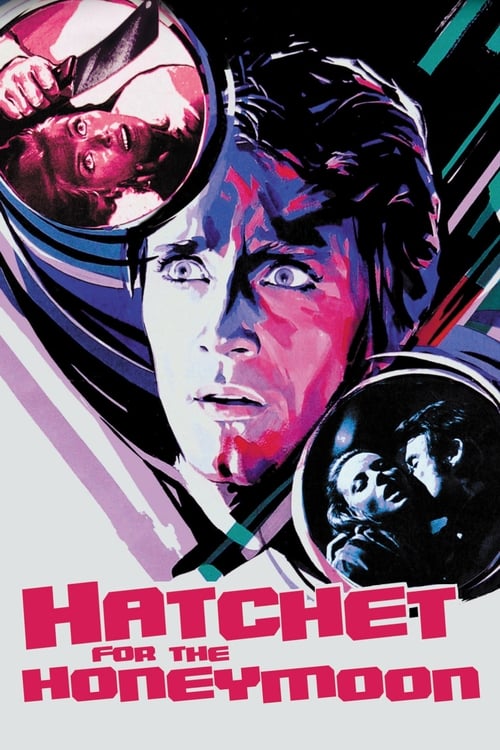
Hatchet for the Honeymoon
1970
No user ratings available yet
Representation score: 2.1 out of 10

Representation Score
Limited
1966
GPDirector
Mario Bava
Runtime
83 minutes
Average Rating
No ratings yetNew Showbiz Analysis
Mario Bava’s work prioritizes creating an atmosphere of dread and visual mastery over social critique. The film operates within the established conventions of the Gothic tradition, focusing on psychological suspense rather than identity-based representation. The narrative reinforces the demographic and social norms of its era. It relies on traditional clichés, such as the vulnerable heroine and localized European settings, which limit its multi-layered depth. Ultimately, the film is a stylistic exercise in horror. It uses themes of madness and superstition to build tension without attempting to deconstruct or subvert existing social hierarchies.
Category Breakdown
The film does not include any LGBTQ+ characters or situations involving non-straight relationships. The interpersonal dynamics revolve around traditional romantic and family relationships typical of mid-century horror.
Cornelia is a central female character who drives the plot. However, she fits the traditional Gothic heroine stereotype, characterized by emotional distress and vulnerability.
The cast is made up of actors from a single ethnic background, reflecting the isolated Italian village setting. There is no indication of racial diversity or blended casting.
The story explores the tension between modern skepticism and traditional superstitions. These elements are used as stylistic horror devices rather than critiquing traditional cultural institutions.
Themes of mental instability play a key role in building narrative tension. These elements serve as genre devices for horror rather than nuanced depictions of neurodivergence.
Present on Screen
Limited or Absent
Official Synopsis
A 20th century European village is haunted by the ghost of a murderous little girl.
1970
1963
1977

1961

1964
1960
1966
1965
No reviews yet. Be the first to share your thoughts on this movie!
Use the rating form above to leave a star rating and optional review.