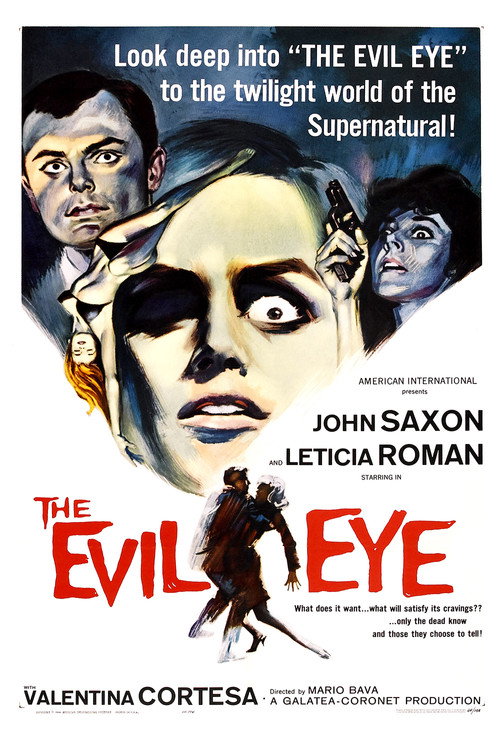
The Girl Who Knew Too Much
1963
No user ratings available yet
Representation score: 2.8 out of 10

Representation Score
Limited
1964
NRDirector
Mario Bava
Runtime
88 minutes
Average Rating
No ratings yetNew Showbiz Analysis
Mario Bava’s masterpiece is a triumph of stylistic expressionism that emphasizes visual symbolism and psychological tension over social representation. Women are central to the plot's tension and conflict. However, the film remains rooted in the socioeconomic and racial norms of 1960s Italy. The narrative structure explores the intersection of beauty and violence without challenging systemic power structures or promoting progressive social frameworks. Ultimately, the film offers a localized study of desire and jealousy within an elite, homogeneous social stratum, lacking diverse perspectives.
Category Breakdown
The film focuses on heterosexual relationships and jealousy, with no representation of LGBTQ+ identities or same-sex intimacy.
Women play key roles in driving the plot's tension and conflict. However, the narrative often reinforces the 'woman in peril' cliché through violence directed at them.
The cast is primarily white, reflecting the socioeconomic homogeneity of 1960s Rome. The story does not include diverse ethnic perspectives.
The film highlights voyeurism and dark impulses rather than religious themes. It uses the fashion industry as a backdrop for psychological issues without critiquing Western institutions.
There is no significant representation of disabilities, either visible or invisible. The film explores psychological obsession without addressing neurodivergence or physical disabilities.
Present on Screen
Limited or Absent
Official Synopsis
Isabella, a young model, is murdered by a mysterious masked figure at a fashion house in Rome. When her diary, which details the house employees' many vices, disappears, the masked killer begins killing off all the models in and around the house to find it.
1963

1966
1972
1987
1975
1973
1975

1972
No reviews yet. Be the first to share your thoughts on this movie!
Use the rating form above to leave a star rating and optional review.