
Kill, Baby... Kill!
1966
No user ratings available yet
Representation score: 2.5 out of 10

Representation Score
Limited
1963
ApprovedDirector
Mario Bava
Runtime
96 minutes
Average Rating
No ratings yetNew Showbiz Analysis
Mario Bava’s *Black Sabbath* is a technical masterpiece of Gothic horror that prioritizes atmospheric dread over social commentary. The film adheres to a traditional framework, using classical narrative archetypes and established genre clichés of the early 1960s. While the visual expressionism is profound, the film does not aim to challenge conventional expectations of identity or power. It focuses on universal anxieties regarding death and the unknown through a lens that reflects the era's standard cinematic norms. Ultimately, the work is an aesthetic achievement rather than a sociopolitical one, remaining tied to the homogeneous and hierarchical structures of its time.
Category Breakdown
The film does not include any queer narrative arcs or non-straight identities. Character dynamics focus on traditional interpersonal relationships.
Women are often portrayed as vulnerable to supernatural forces or ritualistic threats. The narrative frequently emphasizes hierarchies where female characters face terror while male or supernatural entities drive the plot.
The cast is entirely European, reflecting the historical context of 1960s Italian production. There are no non-white or non-Anglo-Saxon characters included.
Occult themes and anti-religious rituals are used as standard horror elements rather than critical commentary. Familial bonds are utilized mainly to create supernatural tension.
There are no detailed portrayals of physical or neurodivergent disabilities. Characters are defined by psychological states or supernatural proximity rather than lived experiences of disability.
Present on Screen
Limited or Absent
Official Synopsis
Three tales of supernatural horror include a woman plagued by threatening phone calls, a family targeted by vampiric monsters, and a deceased medium who wreaks havoc upon the living.
1966
1960
2004
1965
1968
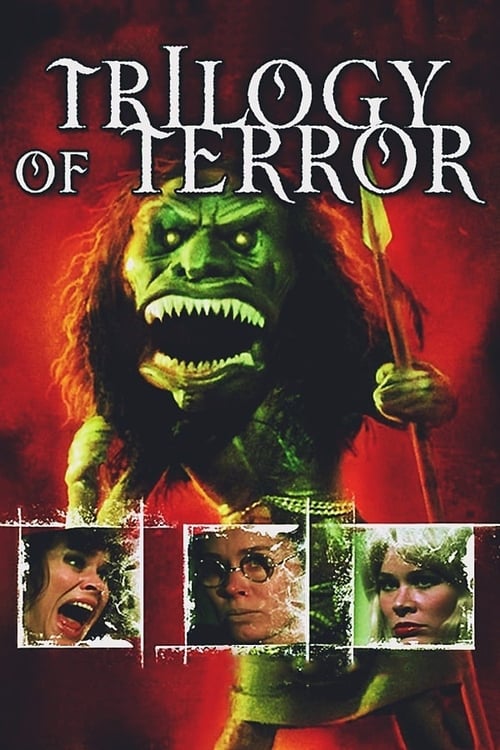
1975
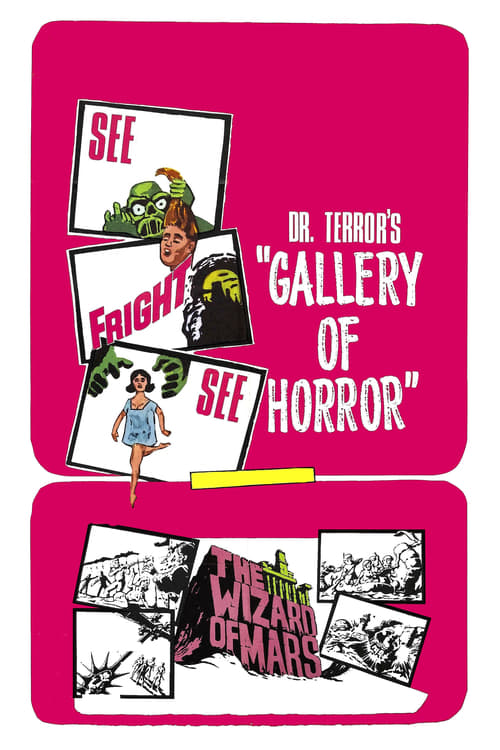
1967
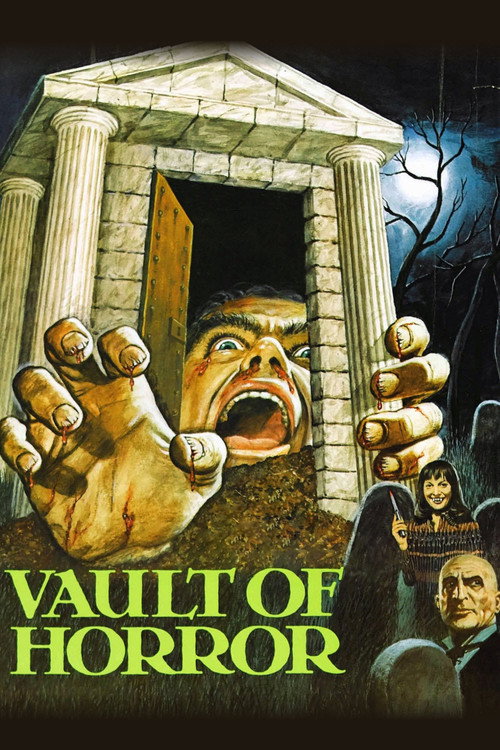
1973
No reviews yet. Be the first to share your thoughts on this movie!
Use the rating form above to leave a star rating and optional review.